Innocent Estonia: the Tatars' good life before 1939, and Estonians at Nuremberg
Innocent Estonia: the Tatars' good life before 1939, and Estonians at Nuremberg
Before 28 September 1939, Muslims — mainly Mišär Tatars — lived very well in free Estonia. Estonia was innocent: not an instigator of war but a victim, coerced by Stalin and Hitler. And yet, after the war, Estonians guarded the Nuremberg trials — the very trials that sentenced Ribbentrop, whose pact with Molotov had sealed Estonia's fate.
The Tatars' good life in free Estonia
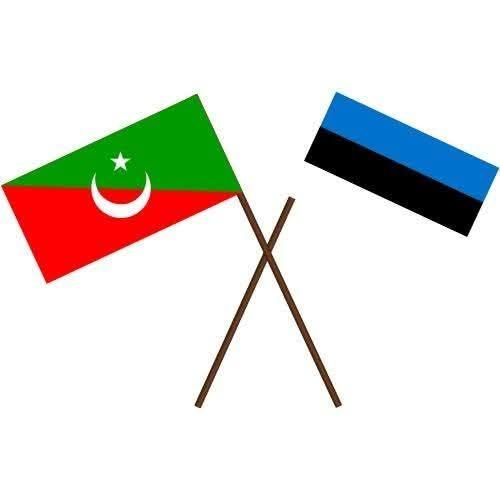
Toomas Abiline has documented that the Tatars enjoyed, for their time, remarkable freedoms and a liberal environment in which their culture, language and customs could survive and even thrive during the twenty-year window of Estonian independence (the 1920s and 1930s).
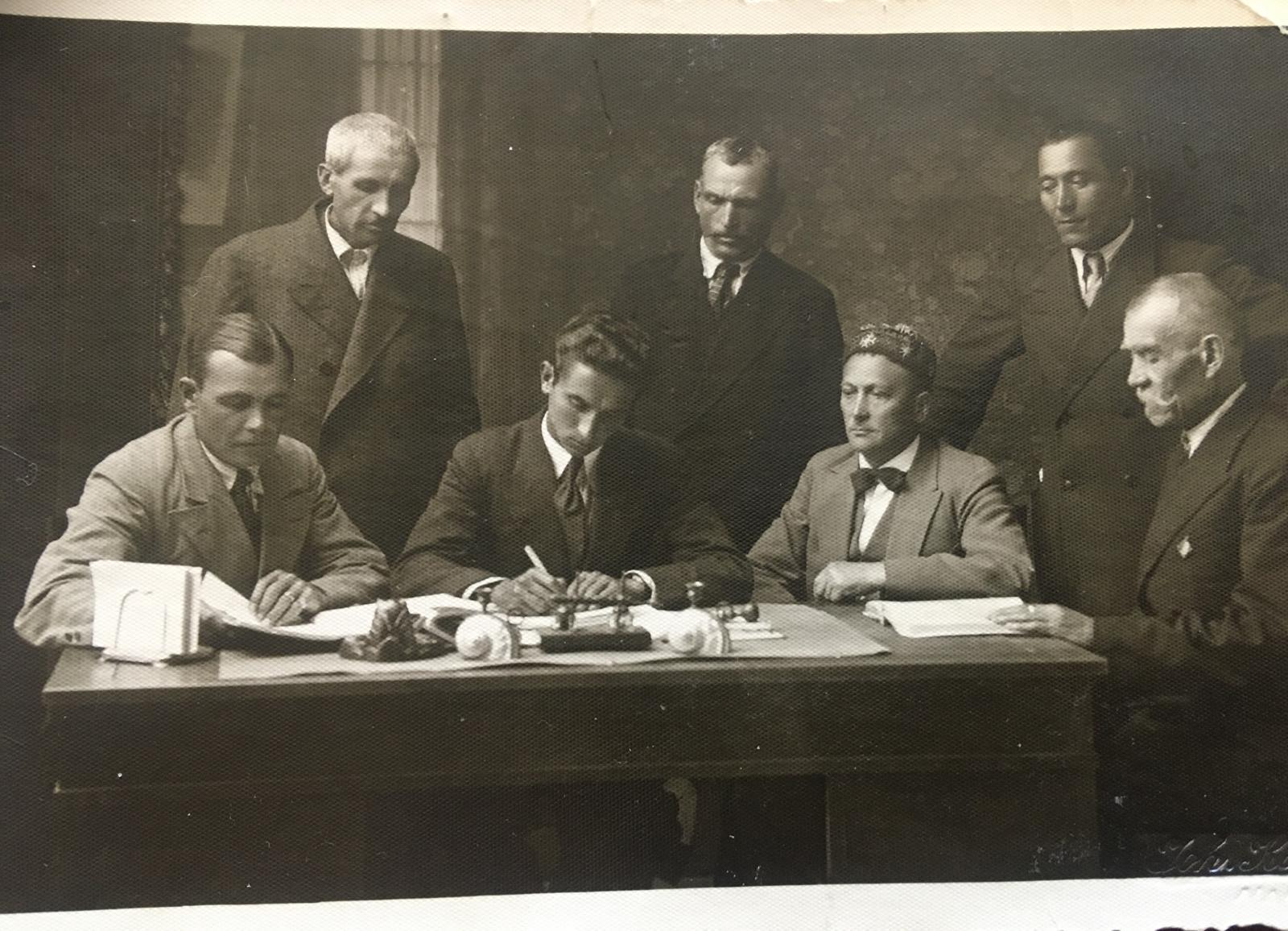
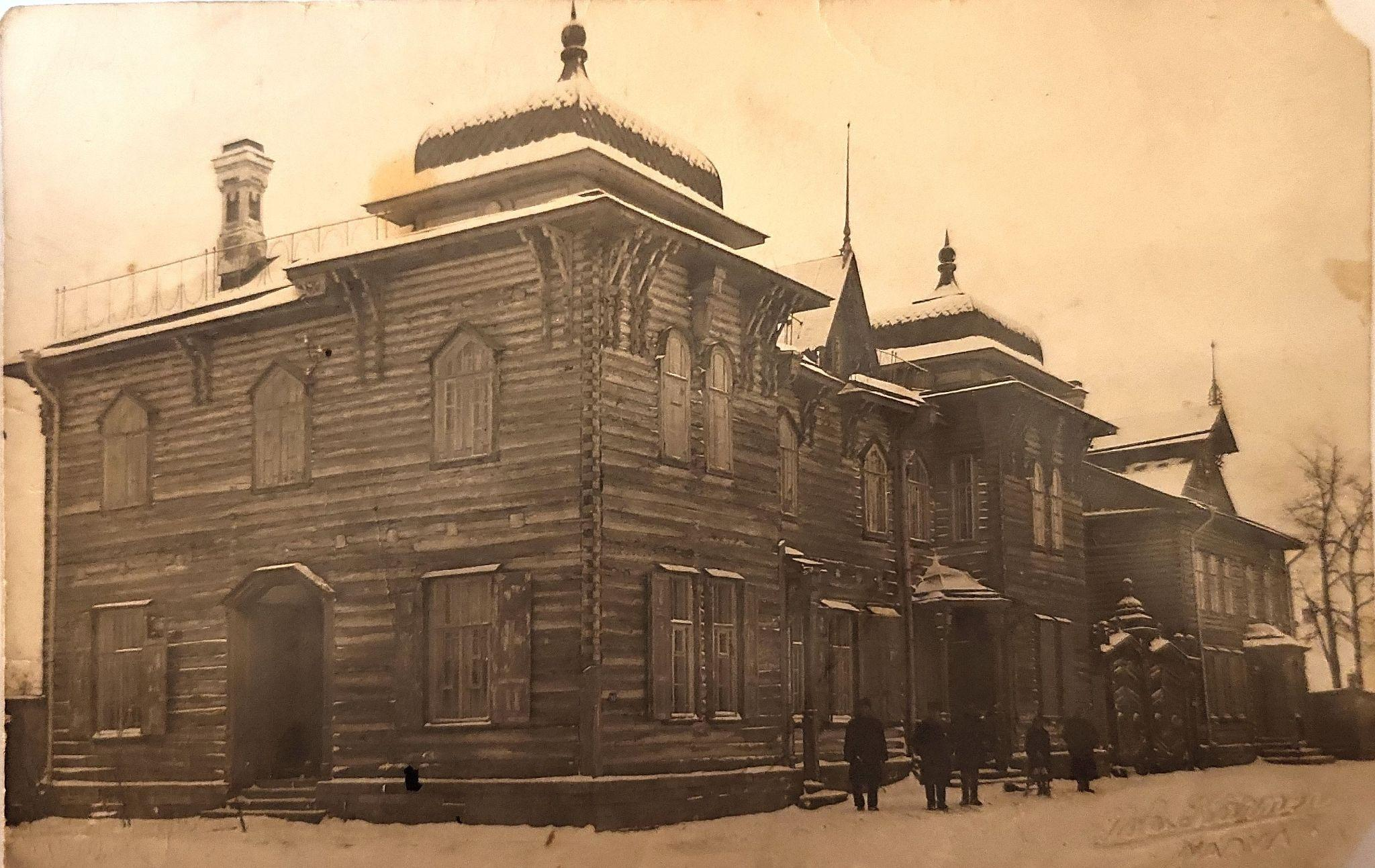
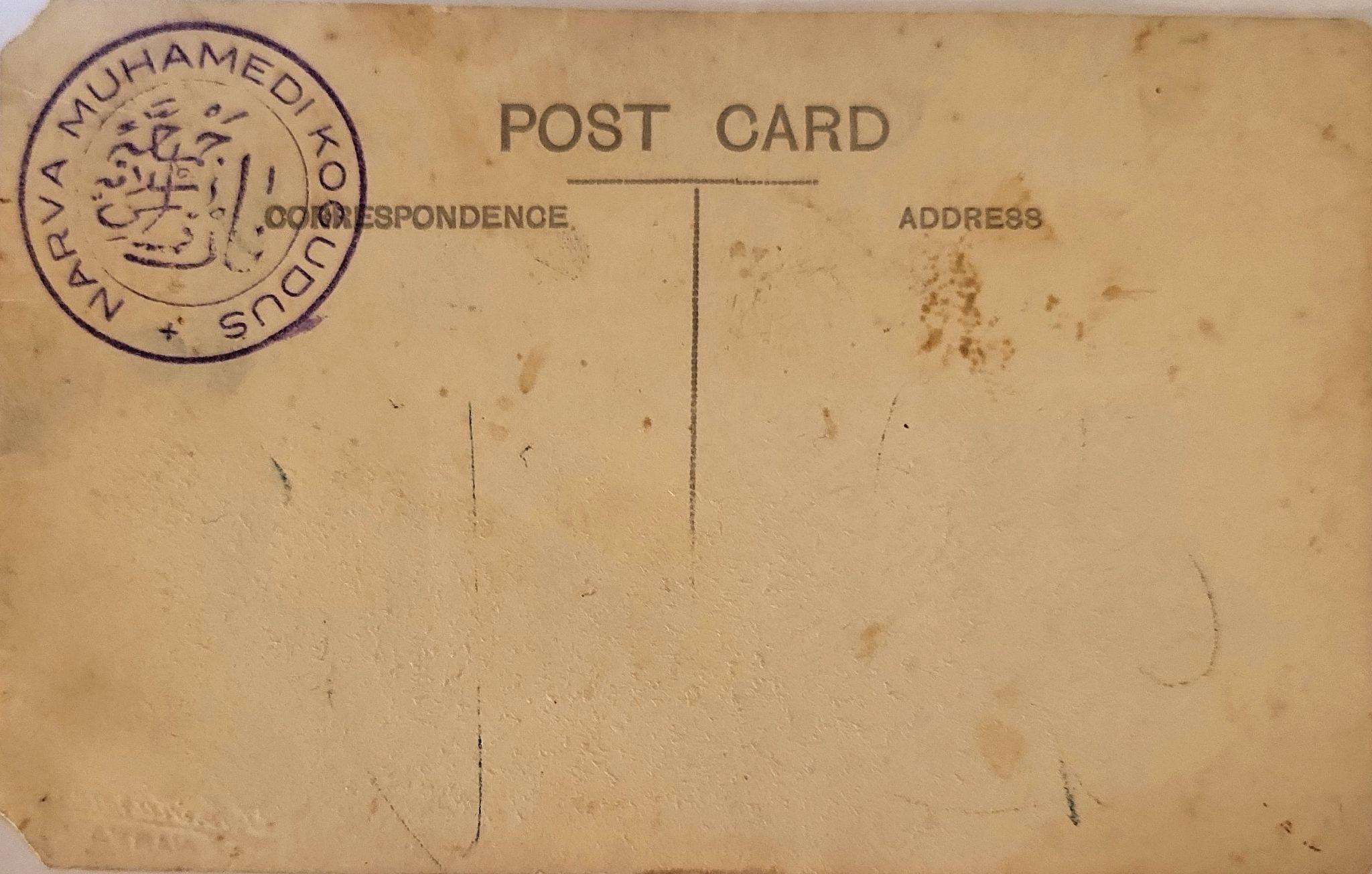
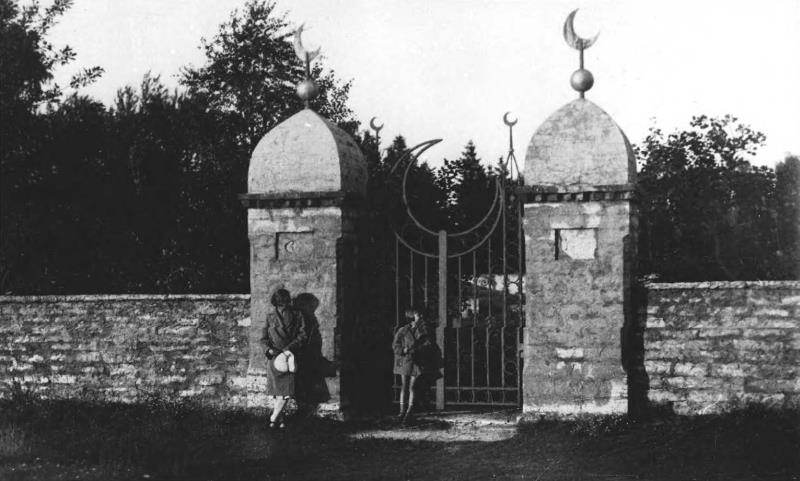
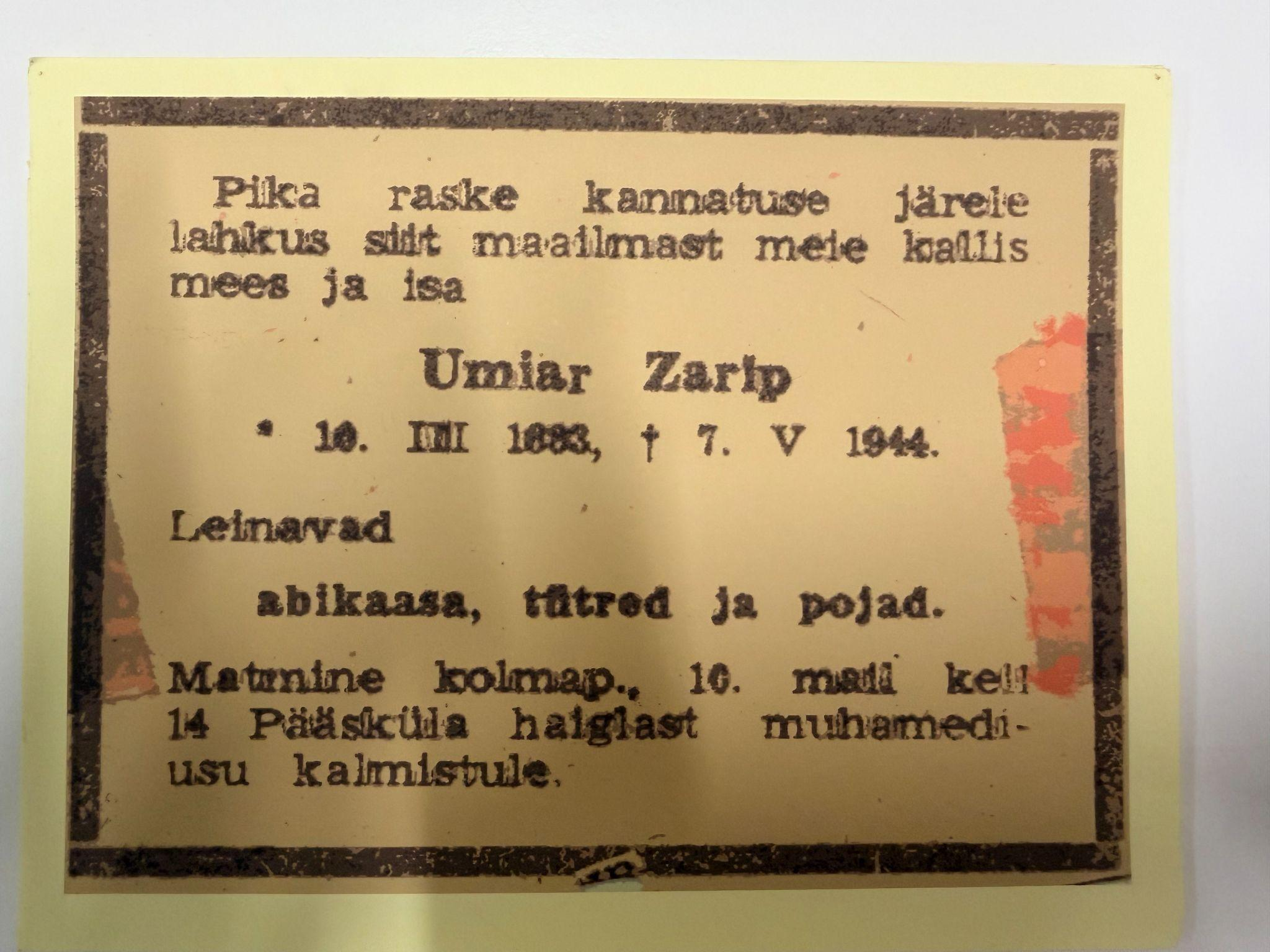
In that time the Tatars founded their cultural organization, bought the North-Estonian Bank building in Narva to establish a cultural and religious centre; a school for Muslims opened in 1938, and there was a cemetery in Tallinn. The community was mainly Mišär Tatars, also called muhameedlased (people of Mohammed).
Prayers for the Estonian state
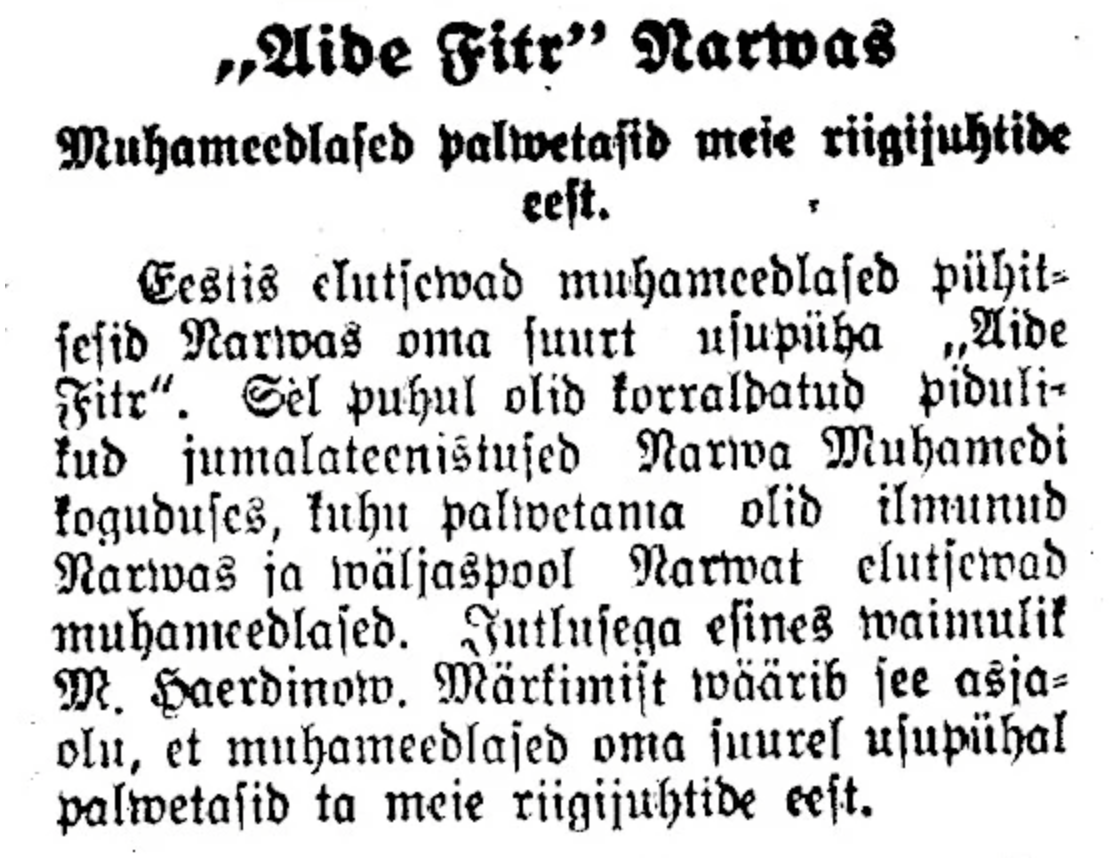
The Tatars and other Muslims prayed for the Estonian state. They celebrated their important religious holiday “Eid Fitr” (Eid al-Fitr) at the Narva Mohammed Congregation, where Muslims from Narva and beyond gathered; the prayers were led by Imam M. Haerdinov. Notably, on that holiday they prayed for the leaders of the Estonian Government — their prayer for the Estonian Government at the 1936 Eid al-Fitr is documented.
Imam Alimdžan Idris: “Consider the Estonian Republic as your state!”
The Volga Tatar imam Alimdžan Idris, who visited these parts often and taught the local Muslims Arabic, was surprised at the good situation of Muslims in Estonia: there was a religious society and no discrimination. In an address to local Muslims in 1934 he said:
You live now in Estonia. The current government of the Estonian Republic does not have any connection with previous tsarist or current Soviet Russia, where Muslims were and are secondary citizens. The Constitution of the Republic of Estonia gives minority nationalities the same rights as the native population, and this principle has been followed by the government and other executive powers. There are no Muslims who could complain that the government has committed injustices against them. Consider the Estonian Republic as your state!
The old cemetery in Tallinn
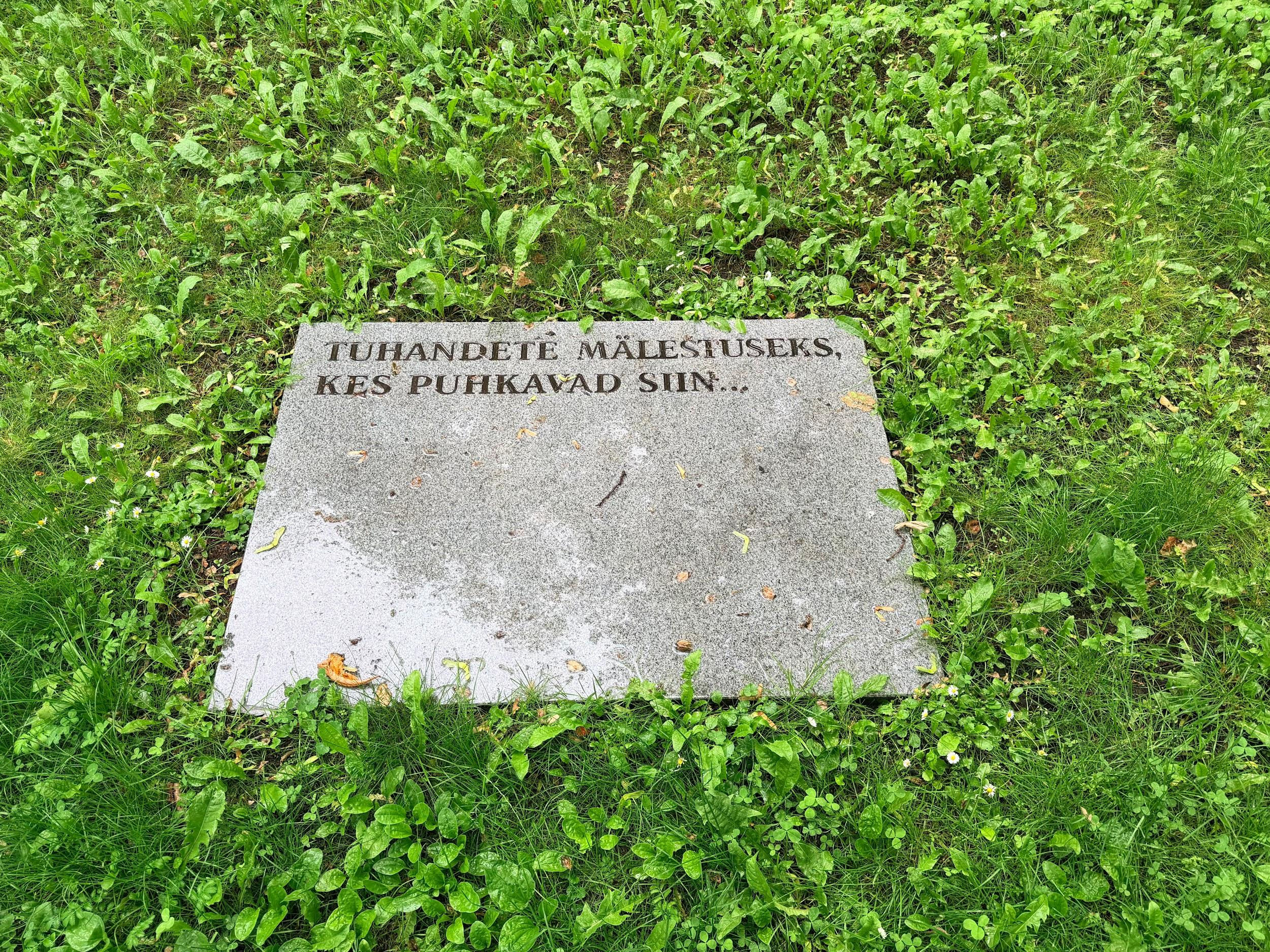
In Tallinn the Tatars had their own Muslim cemetery — in what is now the city centre. Its gates are rumoured to have ended up somewhere in Crimea, but no one knows where. Today the site lies abandoned; but plans are under way, in cooperation with the Estonian War Museum, to turn it into a dignified memorial.
In twenty years Estonia had achieved so much that by many metrics it was on the same economic level as Finland. Soon it would all end.
28 September 1939: everything changes
On that day the Soviet Union forced Estonia to sign, in Moscow, the so-called Mutual Assistance Treaty. Estonia's last moments of freedom were spent literally between Molotov and Ribbentrop, under Stalin's eyes — the authors of the pact (Molotov–Ribbentrop) present as witnesses to Estonia's fall. Estonia was not a perpetrator but a victim. See further: 28 September 1939: A dance of death between two devils under Satan's gaze.
The pressure began before the signature: after the Polish submarine Orzeł escaped from Tallinn on 18 September, Soviet ships and aircraft violated Estonian territorial waters and airspace; on 24 September, in Moscow, Molotov threatened Foreign Minister Selter by land, sea and air, and troops were massed on Estonia's border. The Bases Treaty was then violated at once. It allowed 25,000 troops — already on 7 February 1940 the Estonian government protested: there were 27,300 Soviet troops in the country, aircraft had dropped bombs on Estonian soil and landed outside the bases. From the first day of the Winter War the Soviet air force flew combat missions against Finland from the Estonian bases; in May 1940 more land and extra forces were demanded. Inside free Estonia stood a foreign power's strike groups — and in June 1940 those same base forces seized the country from within (see the Molotov–Ribbentrop Pact). And when the occupation authorities deported more than 10,000 people to Siberia on 14 June 1941, Operation Barbarossa was just eight days away — on the night of the deportation Stalin and Hitler were still treaty partners.
Estonia's innocence and Nuremberg
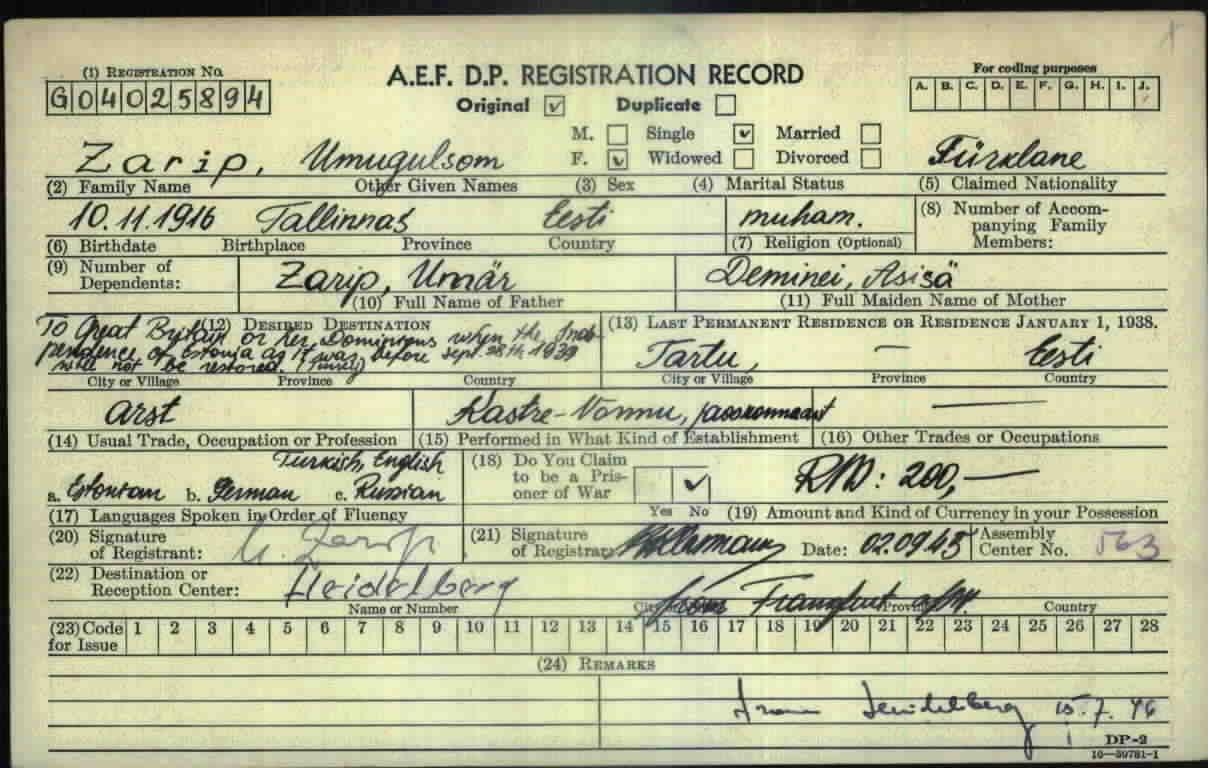
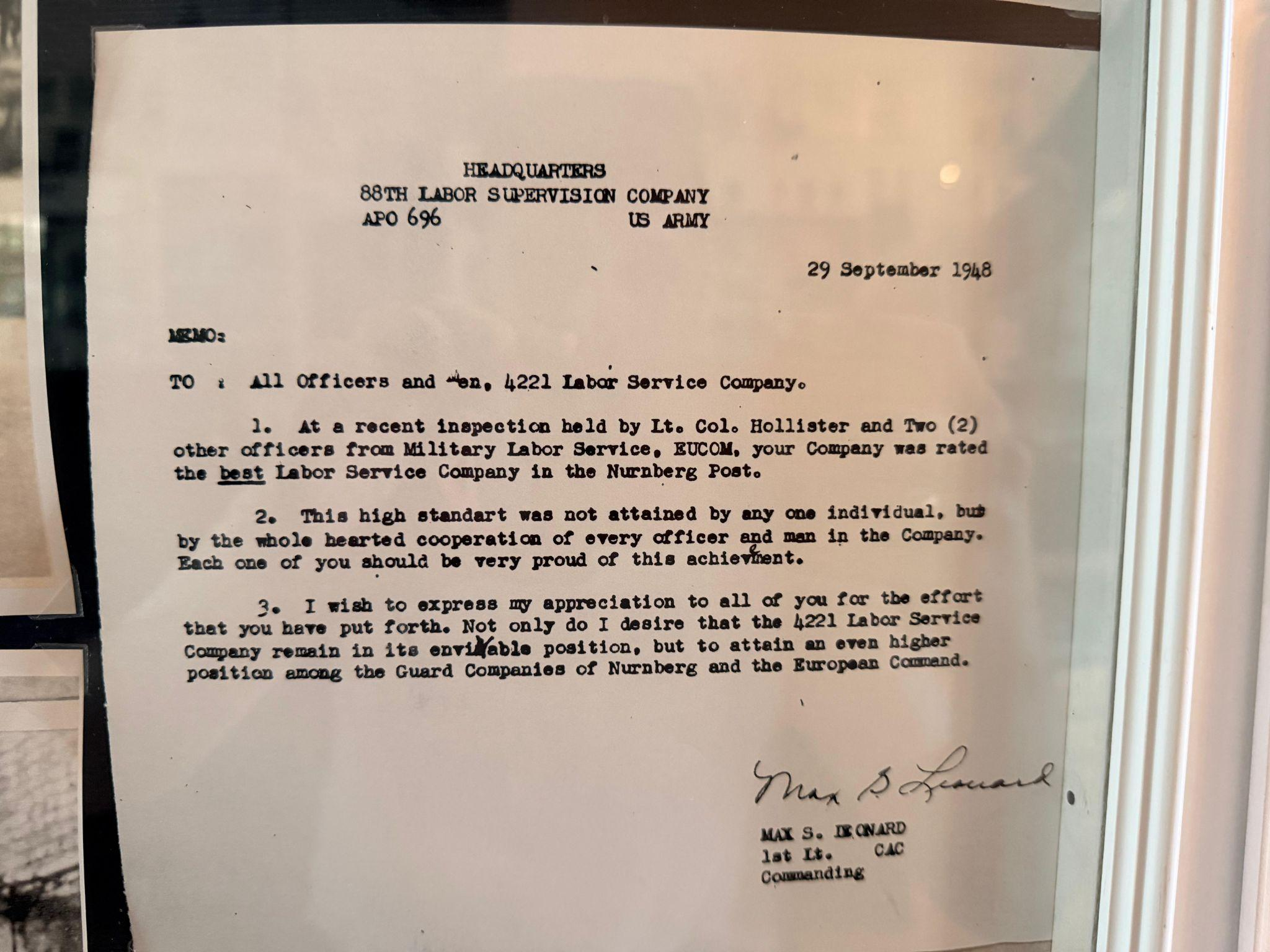
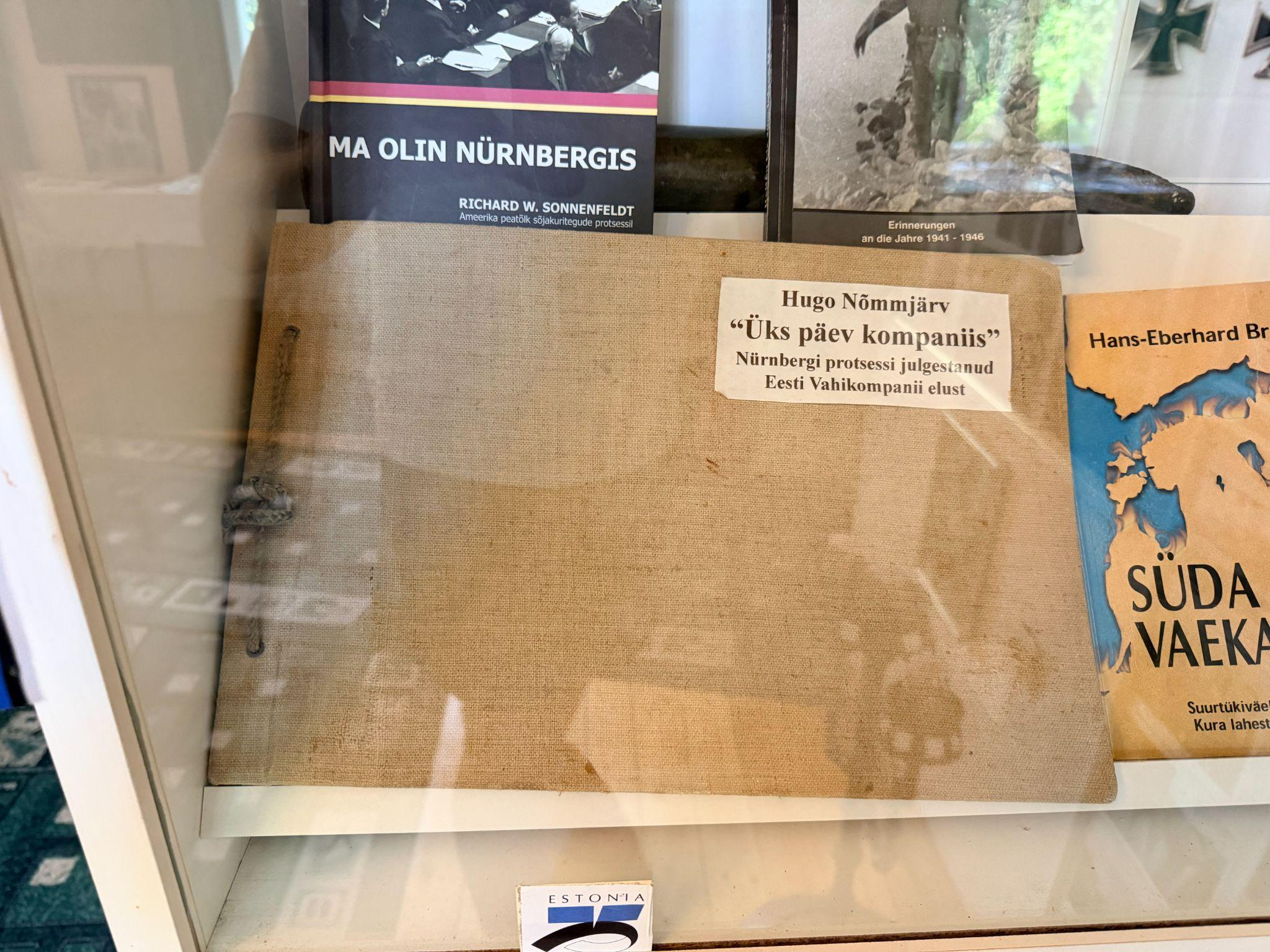
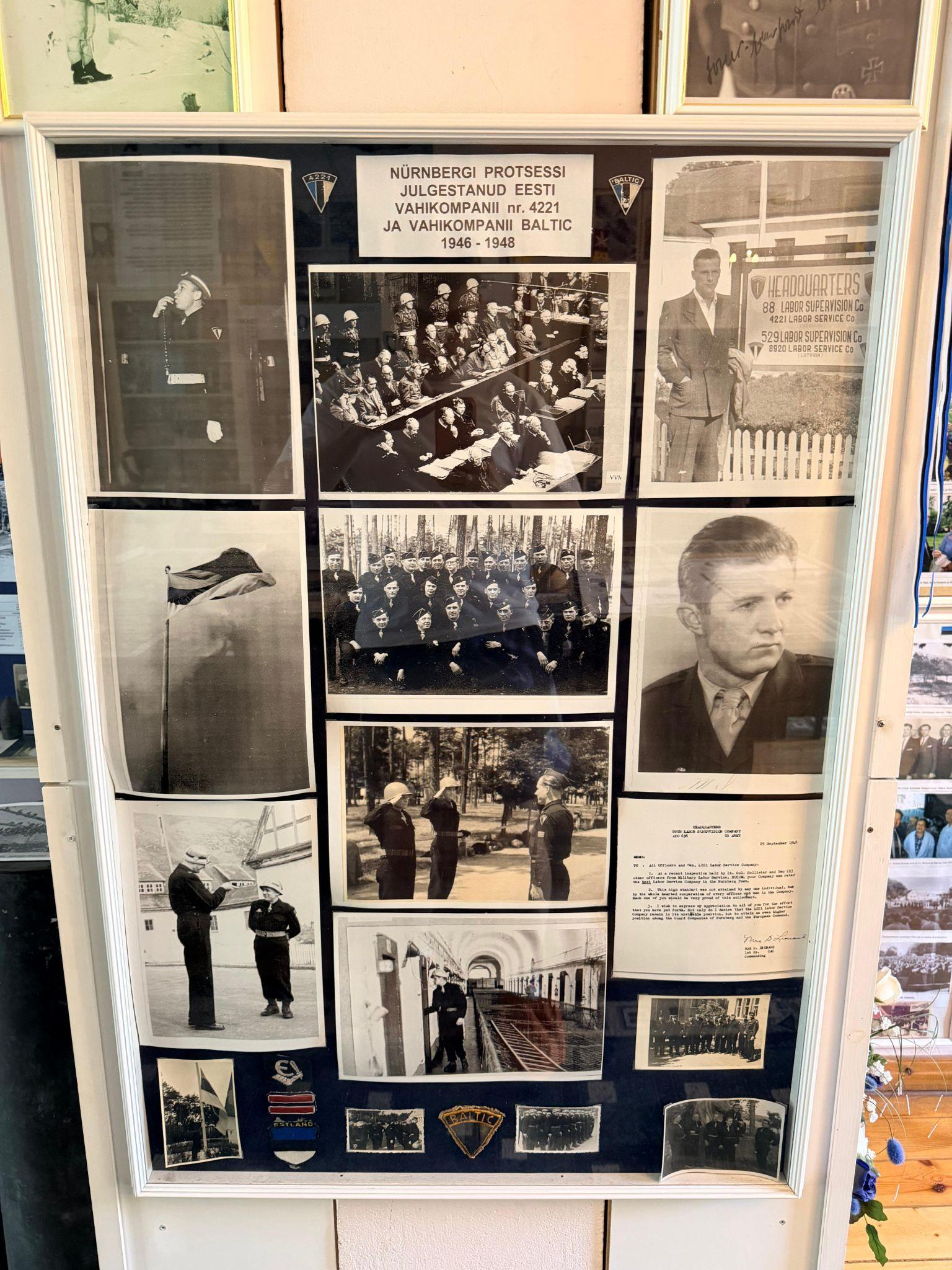
Estonia was a victim of both Hitler and Stalin — innocent of the crimes of each. After the war, the Estonian 4221st Labor Service Company guarded the Nuremberg trials — a company with no connection to nazi or soviet forces. They were praised as the “Best Labor Service Company in the Nürnberg Post” (Max S. Leonard, 1st Lt, 1948). At that same trial, the first man to be hanged was Joachim von Ribbentrop — the man whose pact with Molotov had decided Estonia's fate. So free Estonia's men guarded the trial of those who had helped to doom Estonia.
The Tatars fought for Estonia
The Estonian Tatars were not only victims of the occupation — they fought for Estonia. During the Second World War the Estonian Tatar Finnish Boys joined the Finnish side to stand against the Soviet occupation; Ibrahim Zarip was among them. The fight continued in exile with words: in Sweden Ibrahim Zarip served on the board of the Foreign Association of the Estonian Socialist Party (ESPVK) and in the Estonian National Council, and the foreign-Estonian community — together with the ESPVK — helped the Kersten Committee record the truth of the occupation in international history. So the Estonian Tatars stood for the Estonian state with both arms and words.
See also
Sources: the Zarip family collection; Toomas Abiline (history of the Estonian Tatars); Imam Alimdžan Idris's 1934 address; commendation of the 4221st Labor Service Company (Max S. Leonard, 1948); Cato Journal (2021), Estonia vs Finland economic comparison.