The cultural genocide of the historical Estonian Tatars
The cultural genocide of the historical Estonian Tatars by the occupying Soviet Union's officials in Estonia either through state policy or gross negligence.
Historical Estonian Tatar — means descent from an ancestor or ascending relative who is a member of the Tatar minority who historically lived in the territories of Estonia before the occupation of the USSR.
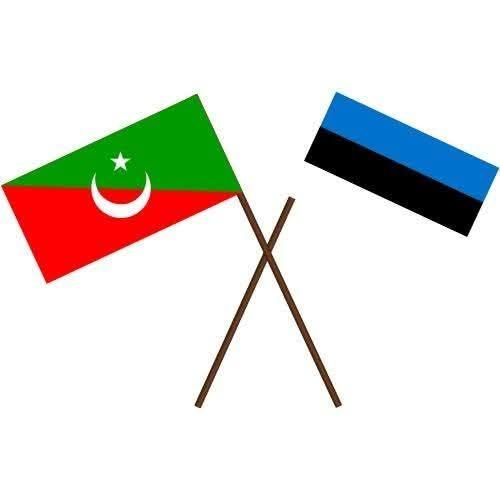
The historical Estonian Tatars had a vibrant community in the Estonian Republic from the 1920s to 1940s, just like it was in Finland. During the Second World War the historical Estonian Tatar community suffered many losses which led to the eventual dissolution of the community and culture.
The occupying Soviet officials caused the genocide of the Estonian Tatars either through state policy or gross negligence in many ways:
Community building in old Narva: The bombing of Narva during the Second World War caused it to be destroyed and be in rubble just like many other European cities at that time, which were rebuilt, but Narva suffered a different fate. The occupying Soviet officials did not allow the reconstruction of Narva, but instead razed the city and drove away the locals, causing many local Tatars to move to Tallinn and Rakvere. This meant the community building had been destroyed and never rebuilt which caused the community to virtually disappear.
The Soviet Union had hundreds of thousands of Russian-speaking people move to Estonia which also meant that a new community of Tatars formed, which were predominantly Russian speaking. This meant that the Estonian Tatars were associated with Russian speaking Tatars and were associated together throughout when the Soviet Union started moving people here and even after the dissolution of the Soviet Union as there were difficulties separating the identities as the association is still strong. We Estonian Tatars are Estonian speaking. The cultural differences of the different Tatars were not considered at this point any more.
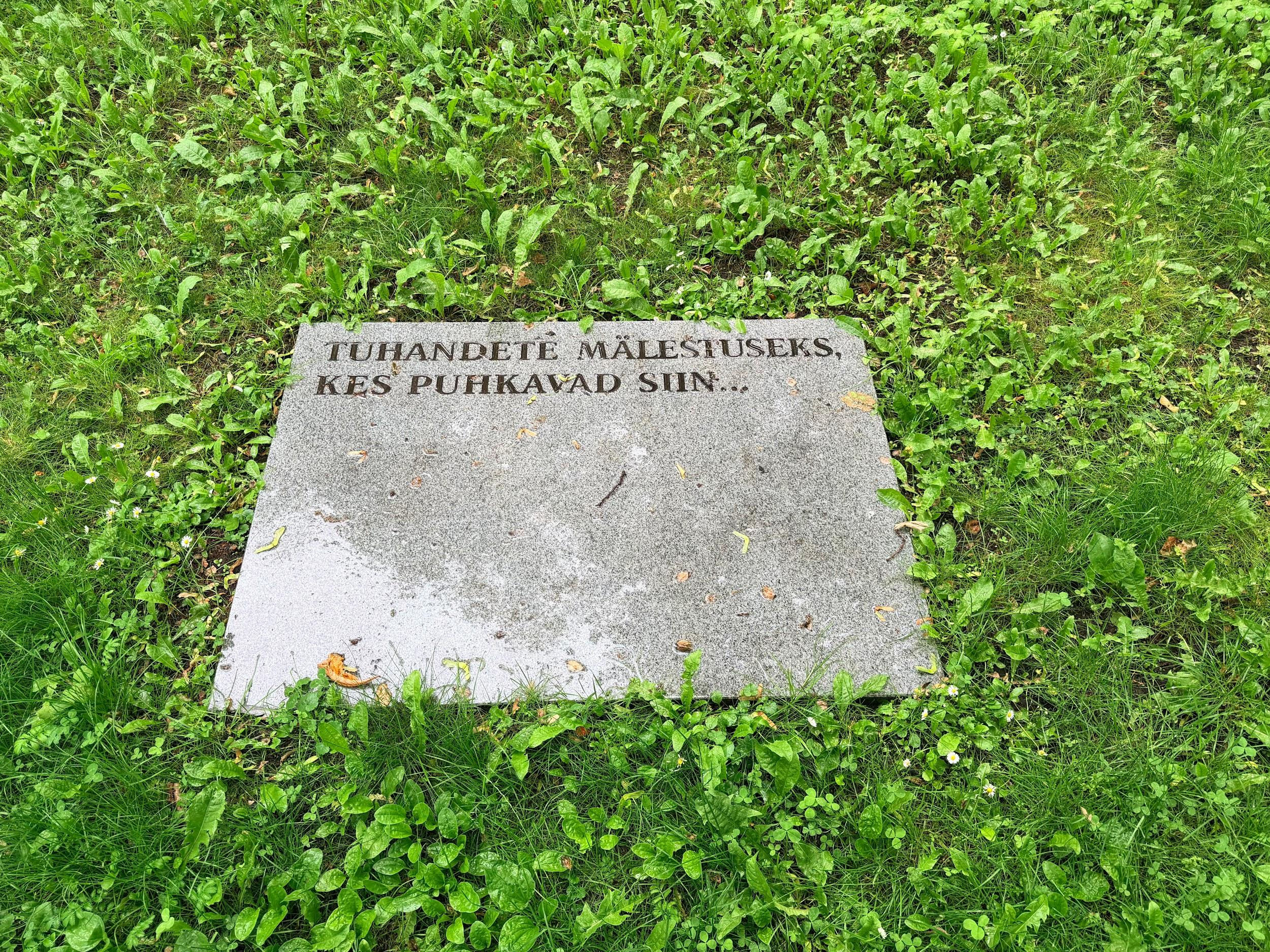
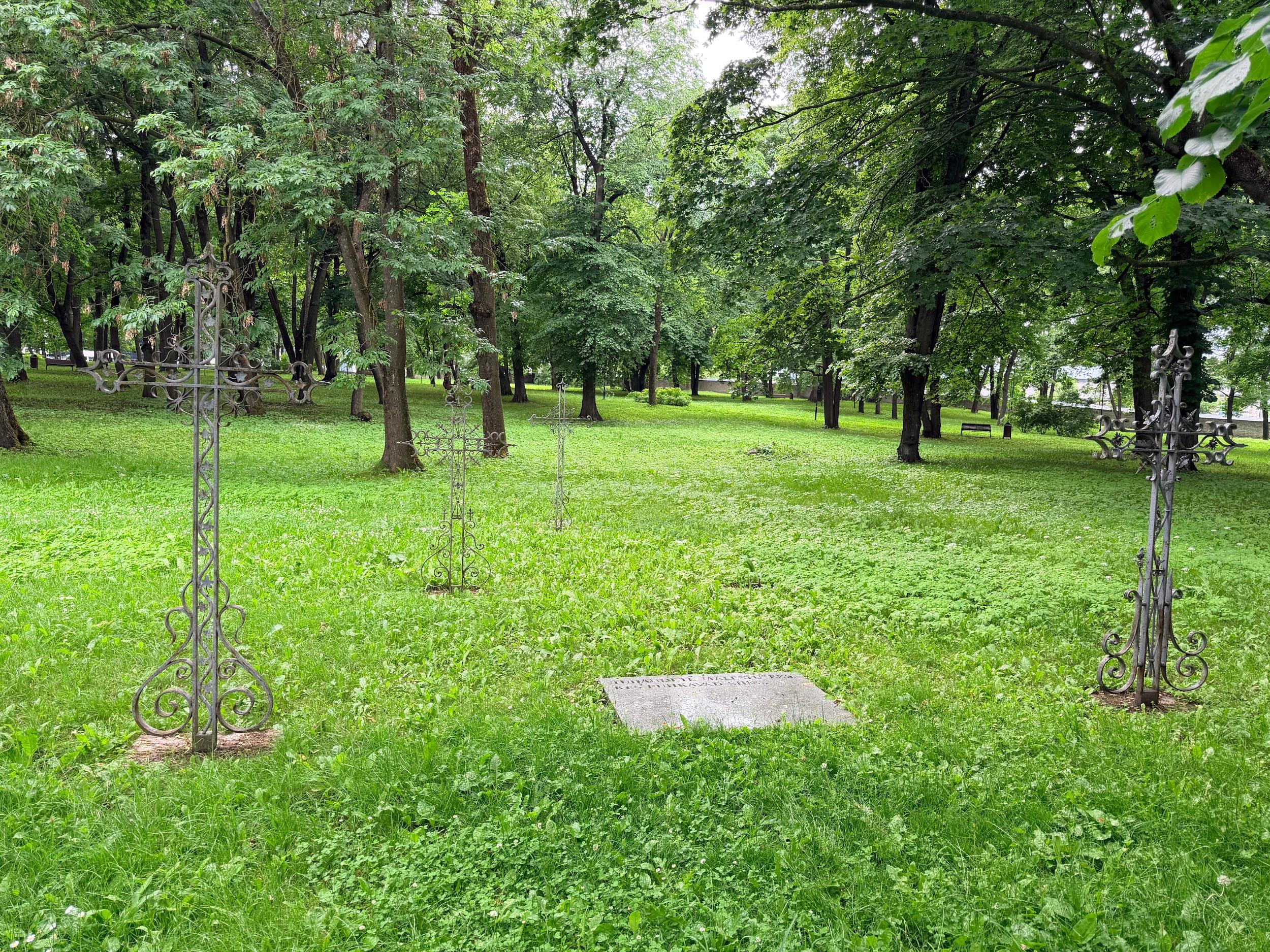
The old Mohammedan graveyard in Tallinn: The graveyard was situated near a river and had a drainage system to keep the land dry. The drainage was damaged during the bombing of Tallinn during the Second World War and the Soviet officials did not allow for it to be fixed and instead let the graveyard be flooded constantly, eventually being fully muddy. The officials instead offered plots in Liiva Kalmistu and the Tatar community had to dig up their own relatives to rebury them themselves. Some had to store them, the bones of their relatives, in their basements in the meanwhile before being able to rebury them. The older Tatars still have traumatic memories. The Soviet Union constructed a car base on top of the old graveyard during the occupation. Some people still have relatives buried there. The new graveyard is now a mix of old Estonian Tatar graves and the new Russian-speaking Tatar graves. Currently the old graveyard is situated next to the current location of the Bronze-Soldier Soviet monument in Tallinn.
The community was not allowed to organize, including cultural and national organizations were prohibited which meant there was no way of preserving the language in any other way than the state mandated Cyrillic script. This script was forced upon the Tatar community in Russia by Stalin and therefore the Estonian Tatars had to switch to reading and consuming material in Cyrillic instead of the Latin script still used by the Finnish Tatar community. There was no way to make material yourself on any meaningful scale which led to the eventual reduction of usage of the Tatar language.
Tatarophobia: The Estonian Tatars mostly survived by assimilating closely with Estonians and eventually losing ties to their Tatar heritage and for many even changing their names to fully Estonian to not be recognized as Tatar. Some older Tatars still refuse to speak any Tatar or acknowledge any connection with being Tatar or having history related to Islam. Tatarophobia is still alive and well in Russia and the Russian-speaking communities in other countries.
The Estonian Tatars sought refuge among the Estonians and eventually assimilated in such a way that they are barely recognizable from the Estonian population and for some the only differentiating aspect of them is their name.
The Estonian Tatars had 3 Finnish Boys (soomepoisid — Estonian volunteers in the Finnish military), one exiled politician in the Estonian Socialist Party foreign chapter in Sweden, in the 1950s, fighting against the Soviet occupation and standing for Estonia.
For many their mother tongue is Estonian and they use it with each other to this day. They kept their Estonian while in exile as well.
We had kodutütred and pojad (scouts). Exiled, foreign Estonian Tatars associated with the Estonian communities in the USA, Australia and Sweden and contribute there to this day.
Estonian Tatars still regularly sing at the Song Festival, traveling here from across the globe.
An Estonian Tatar, who was a Finnish Boy, became a figure for freedom in Canada; he was a Scoutmaster for the exiled Estonian Scouts and was an active member of other Estonian freedom related organizations like Eesti Vabadusvõitlejate Liit Kanadas and Eestlaste Rahvuslaste Kogu Kanadas.
An Estonian Tatar made sure the New York Estonian House documents were all in order in the NY state offices for the big renovation of 1992 for the ESTO conference.
Estonian Tatars are active members of several Estonian student organizations, for example the Estonian Students' Society (EÜS).
Many feel Estonian in their heart and are a normal, even invisible, part of the Estonian society today.
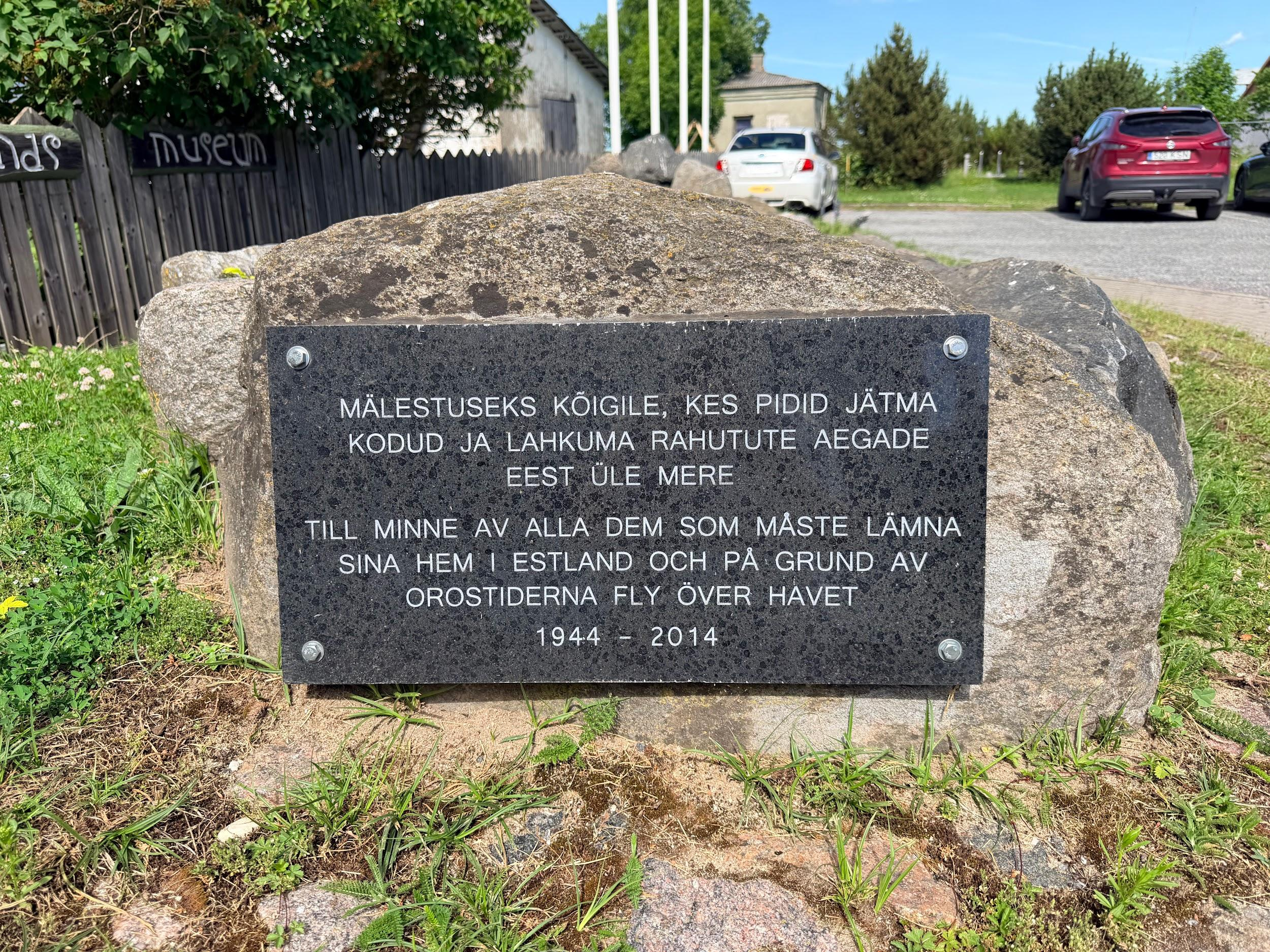
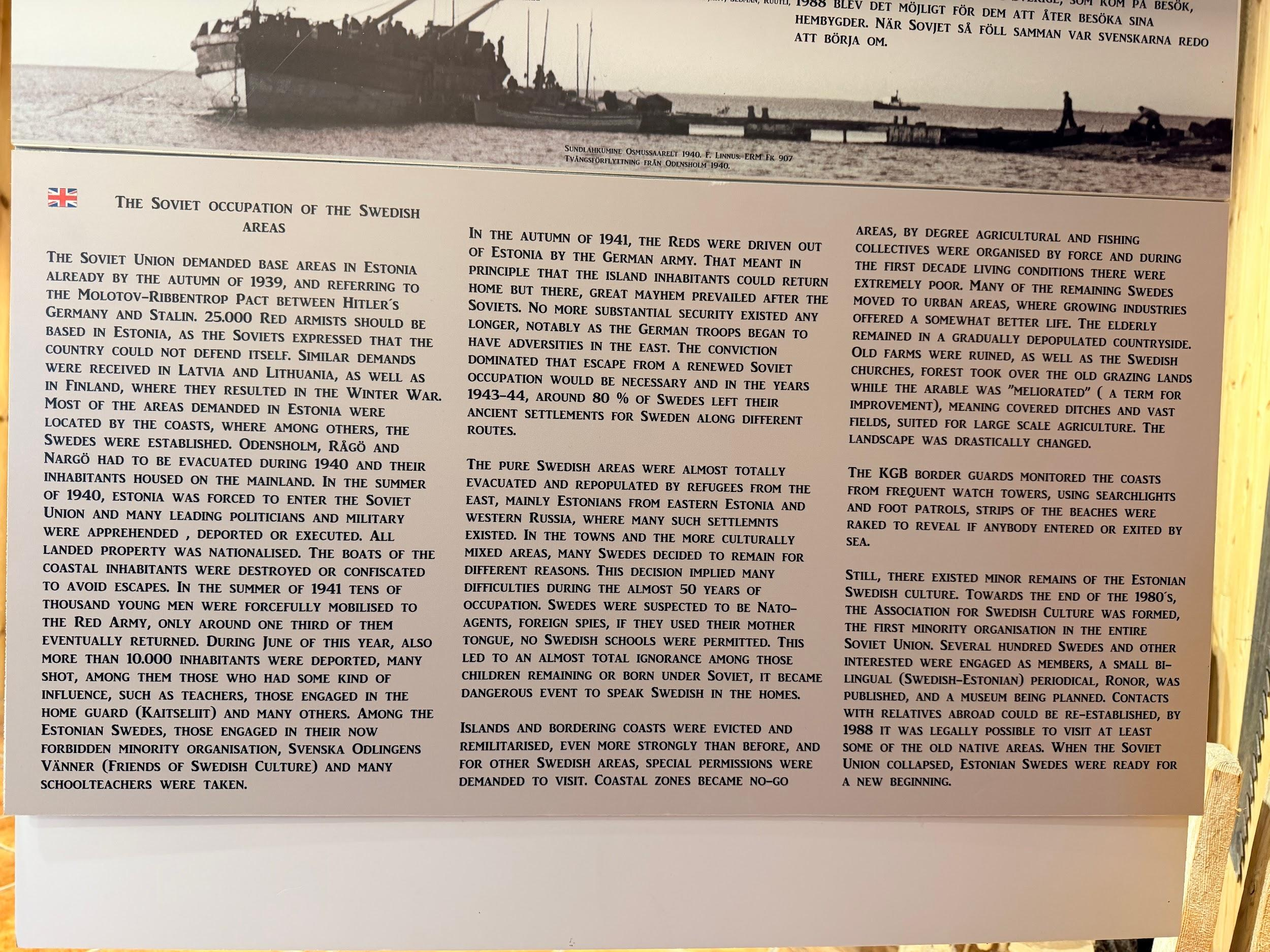
The Soviet Union did not only cause the genocide of Estonian Tatar culture, but they also enabled the genocide of the Estonian Swedes (rannarootslased) and the culture almost disappeared fully. The occupying Soviet forces suspected them of being NATO spies when they spoke their mother tongue, Swedish. The Estonian Swedes also were forced to rebury their relatives under the Soviet occupation.
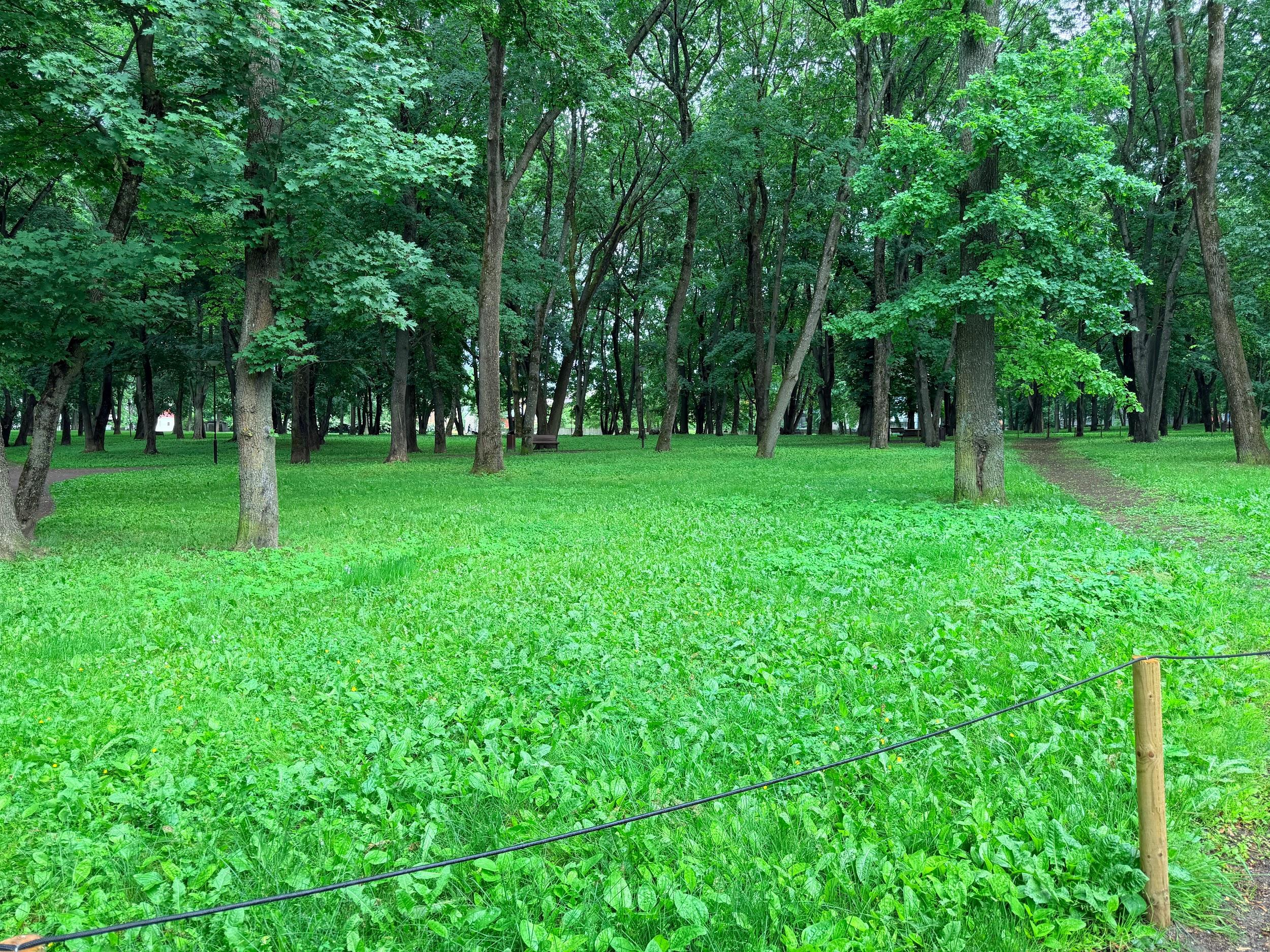
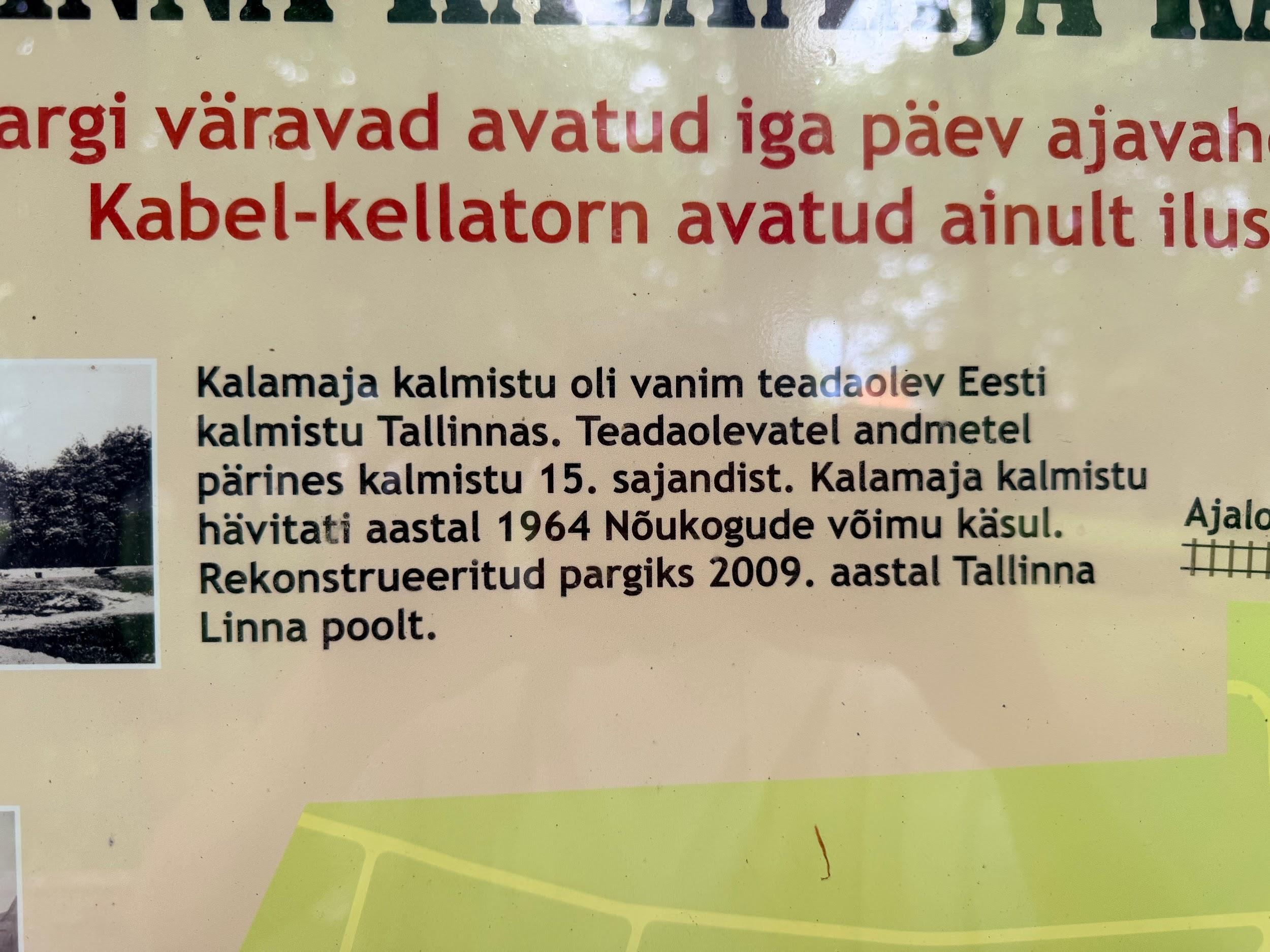
The Soviet Union demolished the old Baltic German graveyard in Kopli which is now a park. They placed the headstones to stop the sea in Pirita.
See also: “Communist crimes against Estonia's minorities”.
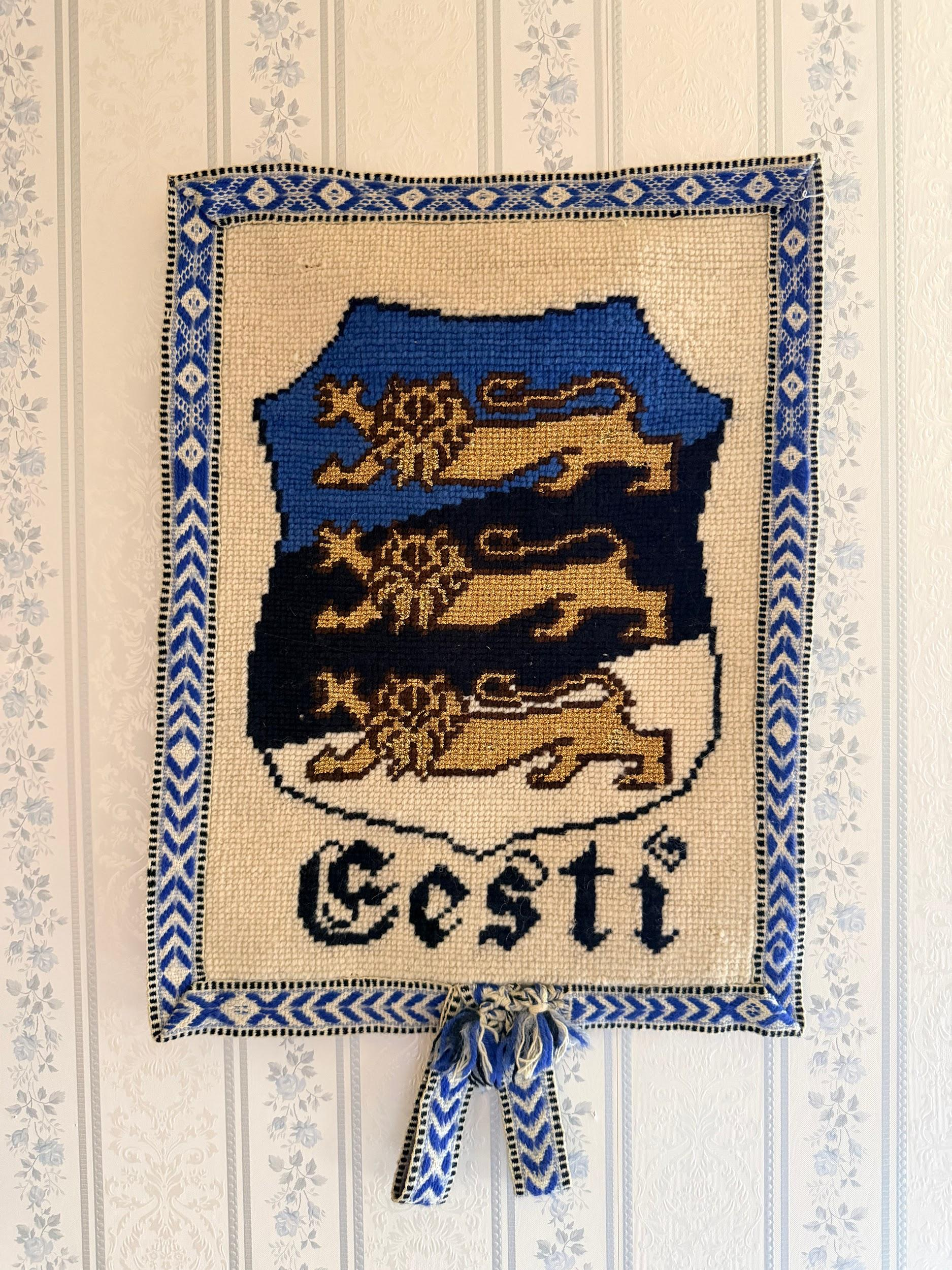
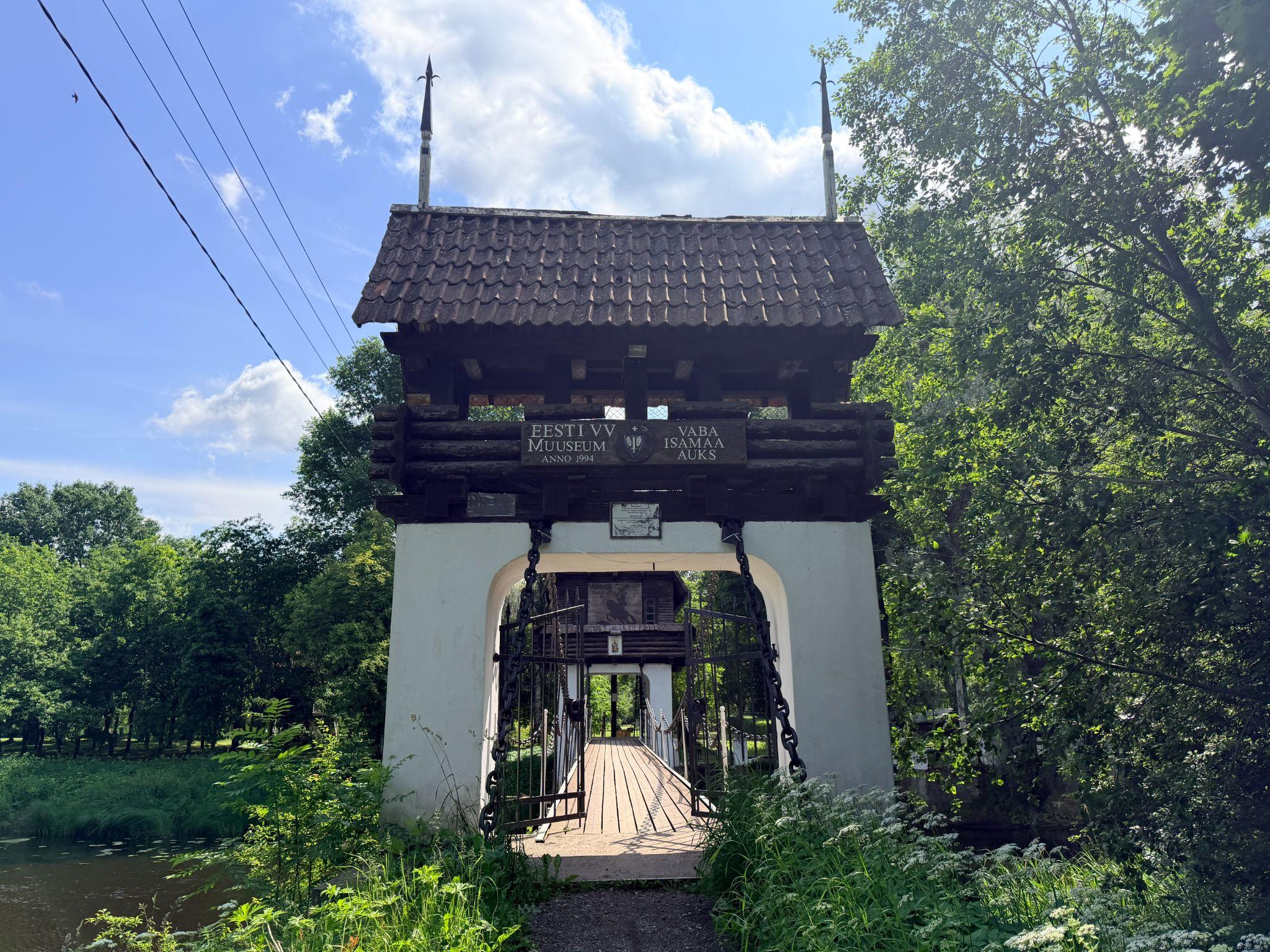
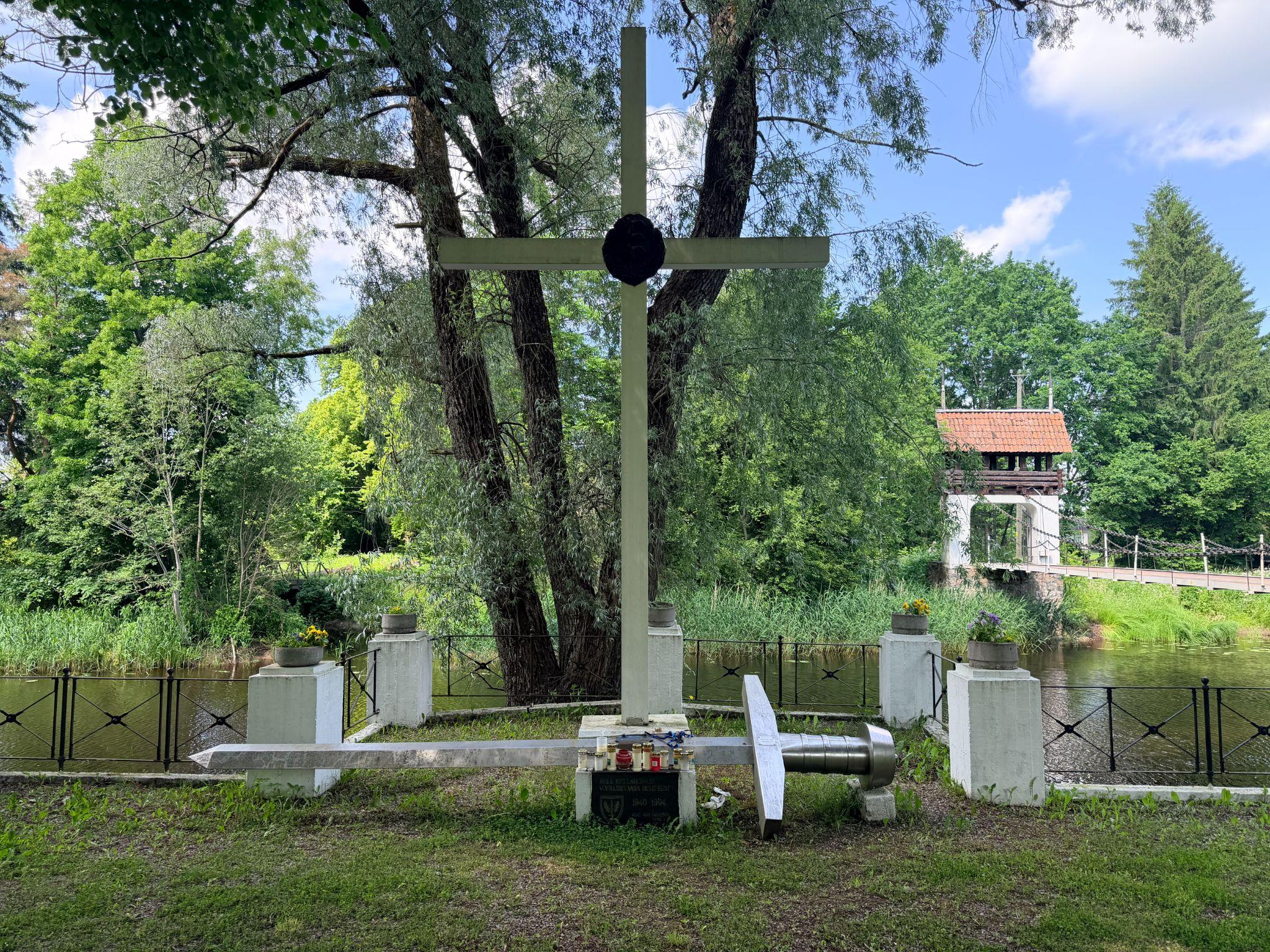
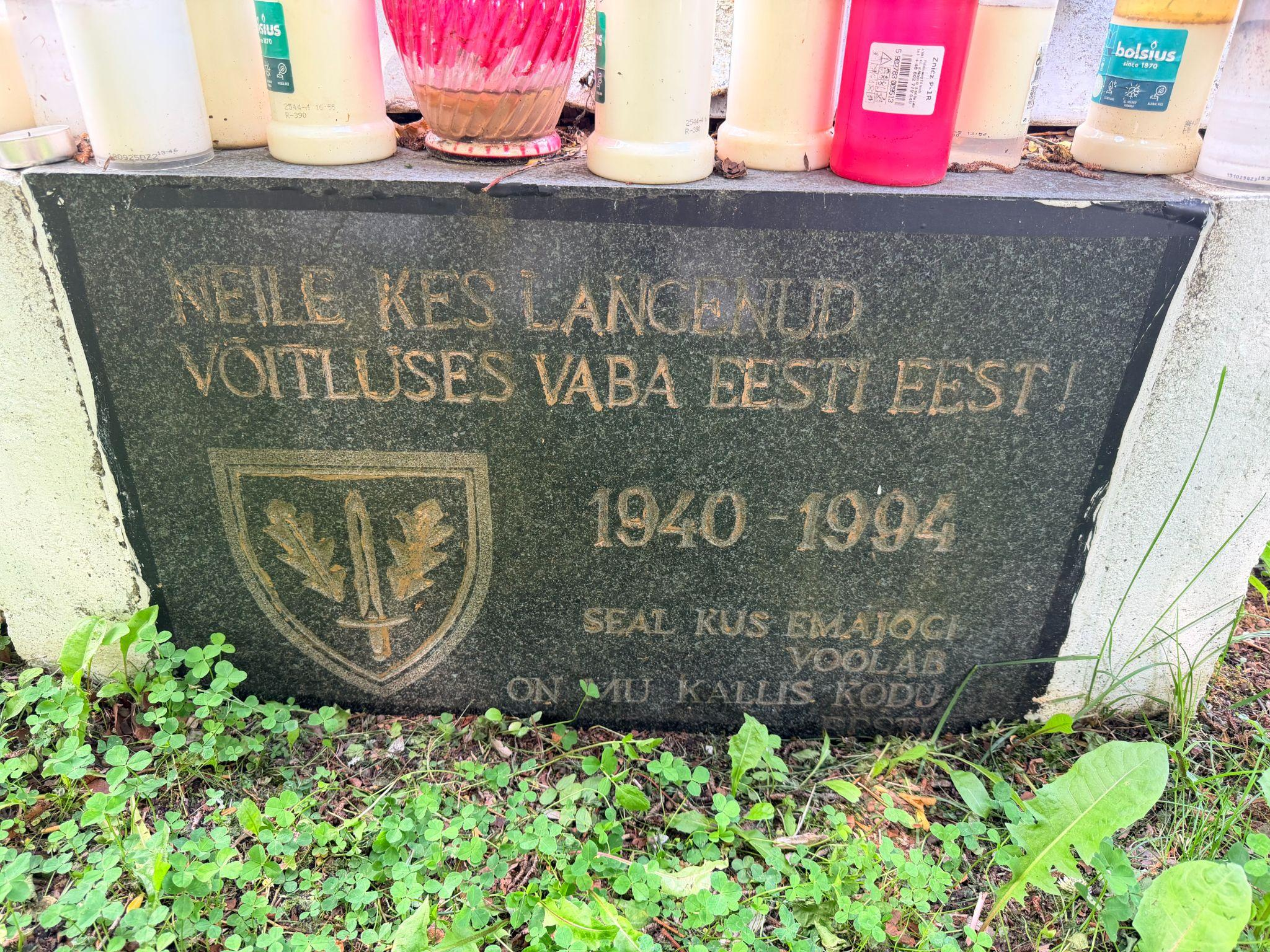
Images from the book
See also
Estonianisation: how the Mišär Tatars became an invisible minority
We are the Estonian Mišär Tatars
Sources: the related pages of this knowledge base (see “See also”) and the community’s own tradition.