28 September 1939: A dance of death between two devils under Satan's gaze
On 28 September 1939 two sets of negotiations ran almost simultaneously in the Moscow Kremlin, both of which sealed the fate of the Republic of Estonia: the German–Soviet Boundary and Friendship Treaty, and — under Soviet pressure — the Soviet–Estonian Mutual Assistance Treaty (the so-called Bases Treaty).
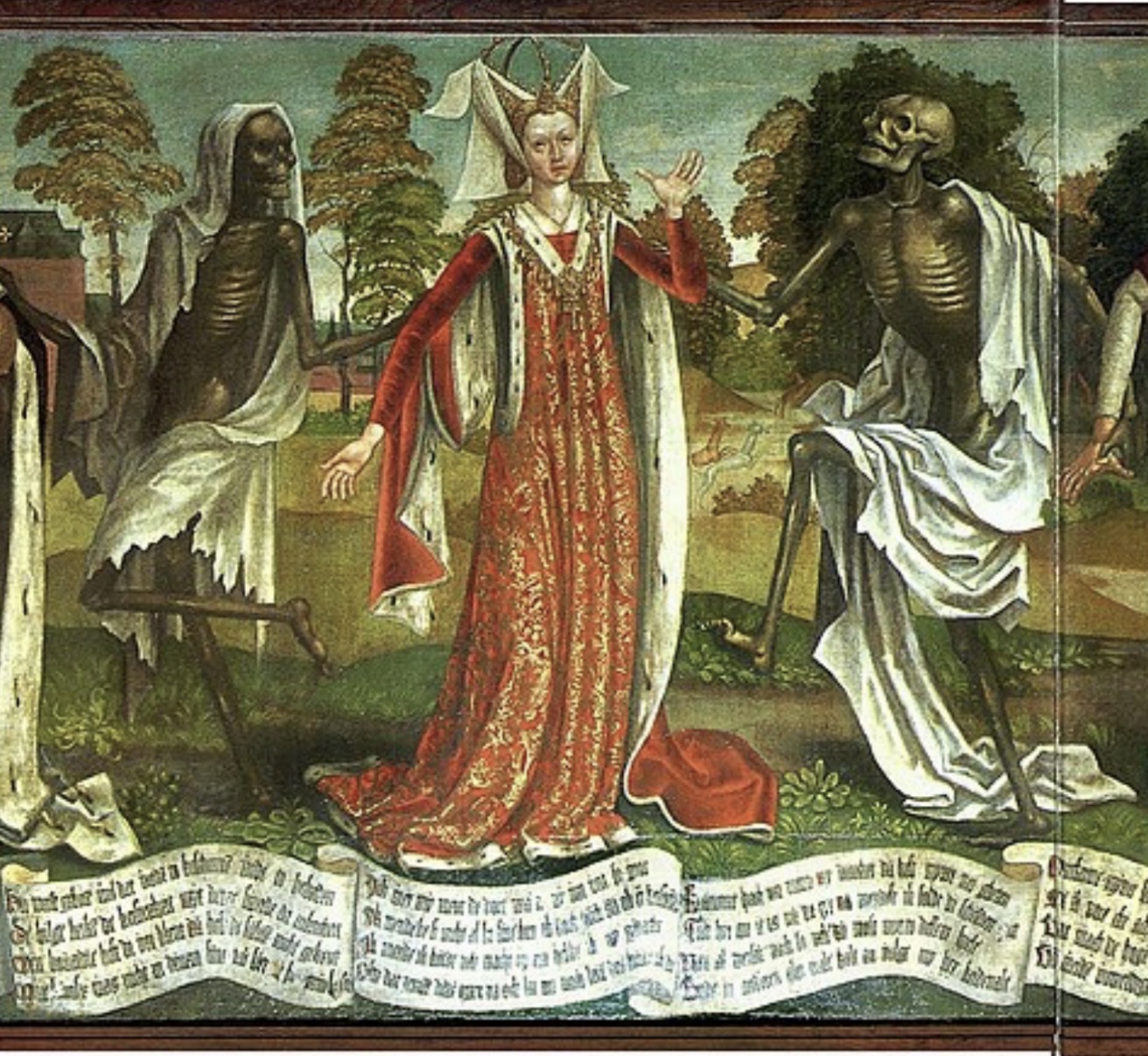
“Danse Macabre” (Surmatants), by Bernt Notke (15th century), Tallinn (St Nicholas' Church, Art Museum of Estonia).
Prelude: peace on paper, war underground
Moscow's handwriting had been familiar for two decades before 1939. Immediately after the Tartu Peace Treaty, Soviet Russia set about undermining the treaty from below: under the protection of diplomatic mail and passports, arms, propaganda and organisers of shock troops were brought into Estonia; in 1924 a shock-troop group of 149 was caught, and on 1 December 1924 Moscow attempted to overthrow Estonia's government by force of arms. The coup attempt was crushed within hours, but the pattern — peace on paper, war underground — remained. In 1939 the same handwriting stepped onto the open stage. (Based on Karl Selter's testimony, Lituanus 2/1968.)
Background
On 23 August 1939 the Soviet Union and Nazi Germany signed the Molotov–Ribbentrop Pact, dividing Eastern Europe into spheres of influence; the Baltic states fell into the Soviet sphere. After the joint destruction of Poland, two delegations arrived in Moscow at the same time in late September.
The two delegations
On the German side, Joachim von Ribbentrop conducted the talks that produced the German–Soviet Boundary and Friendship Treaty. On the Estonian side, the delegation was led by Foreign Minister Karl Selter; on the Soviet side both treaties were signed by Foreign Commissar Vyacheslav Molotov.
The Estonian and German delegations met
Both delegations arrived in Moscow on 27 September. By the Estonian delegation’s own minutes, Soviet staff were still swapping swastika flags for Estonian flags at the airport as the Estonian plane landed — the swastika coming down and the Estonian tricolour going up on the same flagpoles within the same hour.
The clearest documented overlap is in Selter’s minutes. As Selter left Molotov’s private office into the waiting room with his party, Ribbentrop and his delegation were standing there: Selter shook hands with Ribbentrop, Gaus and others, and Ambassador August Rei exchanged courtesies with the German ambassador in Moscow, Count Schulenburg. This is direct, first-hand evidence that the two delegations were not merely in the same city but in the same anteroom exchanging pleasantries — while one treaty consigned Estonia to the Soviet sphere and the other stripped away its independence in practice.
At the same time, the Germans and Soviets were dividing Poland
The Germans' own paperwork confirms the course of that evening. The “Timetable of Ribbentrop's Second Visit to Moscow”, found among the papers of Under State Secretary Andor Hencke (published in the German Foreign Office archive collection “Nazi-Soviet Relations 1939–1941”, 1948), lists for 28 September:
Meeting resumed 3 to 6:30 p.m. Dinner at Kremlin. One act of ballet (Swan Lake); Stalin meanwhile negotiated with the Latvians. Meeting resumed at midnight. Signing at 5 a.m.
The German note-taker wrote “the Latvians” — but the Latvian delegation only reached Moscow on 2 October. The delegation under pressure in the Kremlin that night was Estonia's: Selter signed the “mutual-assistance” pact right around that midnight. The German timetable thus unwittingly records the other half of the evening too: while the guests watched Swan Lake, Stalin skipped the ballet and was himself negotiating with the Estonian delegation in the next hall — forcing the bases pact on a small nation — before returning to the Germans for the midnight session.
While Estonia was being pressured in Moscow, German and Soviet troops were simultaneously dividing Poland and getting along cordially. On 22 September 1939 a joint German–Soviet military parade was held in Brest-Litovsk: General Heinz Guderian and Brigadier General Semyon Krivoshein reviewed the formations together from a shared platform, marking the handover of the city from German forces to the Red Army along the secret demarcation line of the Molotov–Ribbentrop Pact. It is the only documented joint parade of German and Soviet forces during the partition of Poland.
The contradiction is stark: at the same time as the two aggressors were amicably dividing Poland and reviewing a parade together, in Moscow they were forcing their victims into submission. This captures the essence of the Nazi–Soviet partnership at its high-water mark — warmth between the two aggressors and coercion toward their victims, staged in the same buildings on the same days.
Coercion
Karl Selter had been lured to Moscow to conclude a trade agreement — its negotiations had only just been completed — but on arrival the real purpose proved to be entirely different. The negotiations were coercive from the outset. On 24 September Molotov handed Selter an ultimatum demanding a mutual assistance pact with Soviet bases. The pressure was backed by a naval blockade off the Estonian coast, overflights by Soviet aircraft and troop concentrations on the border. Selter resisted, and Stalin intervened in person, reducing the demanded garrison to 25,000 men — the figure that became final in the treaty. Estonia ceded naval and air bases on the islands of Saaremaa and Hiiumaa and at Paldiski.
A timeline of the pressure:
Early September 1939 — the Soviet Union masses troops on the Estonian border and blockades the coast.
24 September 1939 — Selter arrives in Moscow under the pretext of a trade agreement; Molotov immediately demands Soviet military bases in Estonia and threatens the use of force.
26–27 September — Soviet aircraft violate Estonian airspace; in the second round of talks Molotov demands a 35,000-man garrison.
28 September 1939 (midnight) — the bases treaty is signed (the garrison finally capped at 25,000) and the Soviet troops are stood down from alert. The same day, in the same Kremlin, the USSR and Nazi Germany sign the Boundary and Friendship Treaty.
30 September – 10 October — the same pressure is turned on the neighbours: the Latvian treaty on 5 October, the Lithuanian on 10 October.
18 October 1939 — Red Army units enter the Estonian bases.
16 June 1940 — the Soviet Union issues a fresh ultimatum (8.5 hours to reply); the full occupation of Estonia follows.
The two delegations, treated worlds apart
The treatment of the two delegations was a complete contrast. The German delegation was received with great ceremony: a guard of honour and swastika and hammer-and-sickle flags awaited it at the airport, it was lodged in the former Austrian Embassy, a dinner was held in the Kremlin, the party attended an act of “Swan Lake” at the Bolshoi, and toasts were raised to German–Soviet friendship; Ribbentrop reportedly felt at the Kremlin “as if among old party comrades.”
The Estonian delegation, by contrast, was treated under open pressure and threats: an ultimatum, a naval blockade, overflights and troop concentrations on the border. By Selter’s account Stalin was “very reserved, cold and pretentious,” repeating the demands with the words, “Do not force us to look for other possibilities for the security of the Soviet Union.” The same Soviet leadership feted one aggressor and coerced its victim into submission — in the same buildings on the same days.
The signings
The Estonian treaty was signed in the Kremlin around midnight on 28 September (Molotov and Selter). The German–Soviet treaty was signed roughly five hours later, in the early hours of 29 September at about 5 a.m., but dated the 28th. The Estonian treaty was ratified in Tallinn on 4 October 1939.
From the very beginning
The pact was exceeded from the very beginning. On 2 October 1939 a Soviet military delegation arrived in Tallinn to plan the pact's implementation — headed by Army Commander Meretskov (commander of the Leningrad military district), with Isakov, Pavlov, Ptukhin and Tyurin. As chairman of the Estonian delegation the President appointed Foreign Minister Karl Selter — the same man who had signed the pact in Moscow a week earlier; the military negotiators were led by Lieutenant General Nikolai Reek. To Estonia's surprise, the Soviet side demanded bases beyond the places agreed in the pact (Hiiumaa, Saaremaa and Paldiski): Red Army bases at Paide and Valga, and aerodromes in Central and Western Estonia.
Estonia sent its envoy in Moscow to Molotov with the request that the delegation be instructed to keep to the pact's text. Molotov, after consulting Stalin, gave up Paide and Valga — but not Haapsalu or the West-Estonian aerodromes, with a justification that is a document in itself: paragraph 3 of the pact provides for bases “only in certain places on Estonian territory”, “whereas it is not said that aerodromes cannot be situated in other places in Estonia”. In other words: the pact meant whatever Moscow currently wanted it to mean. Estonia had to give in to these new demands as well.
And in the same week the other devil was at work: on 7 October 1939 — the day after Hitler's speech announcing an agreement with Moscow to bring “all Germans from the East back home to the Reich” — representatives of the Berlin Foreign Office arrived in Tallinn to organise the resettlement of the Baltic Germans (Umsiedlung). Most of Estonia's German citizens followed the “Führer's call”, many against their will — most would not have gone at all had the Soviet threat not hung over the whole Baltic region. The two devils danced in step. (The source of this chapter: the testimony of Foreign Minister Karl Selter, published in translation in Lituanus 2/1968.)
Aftermath
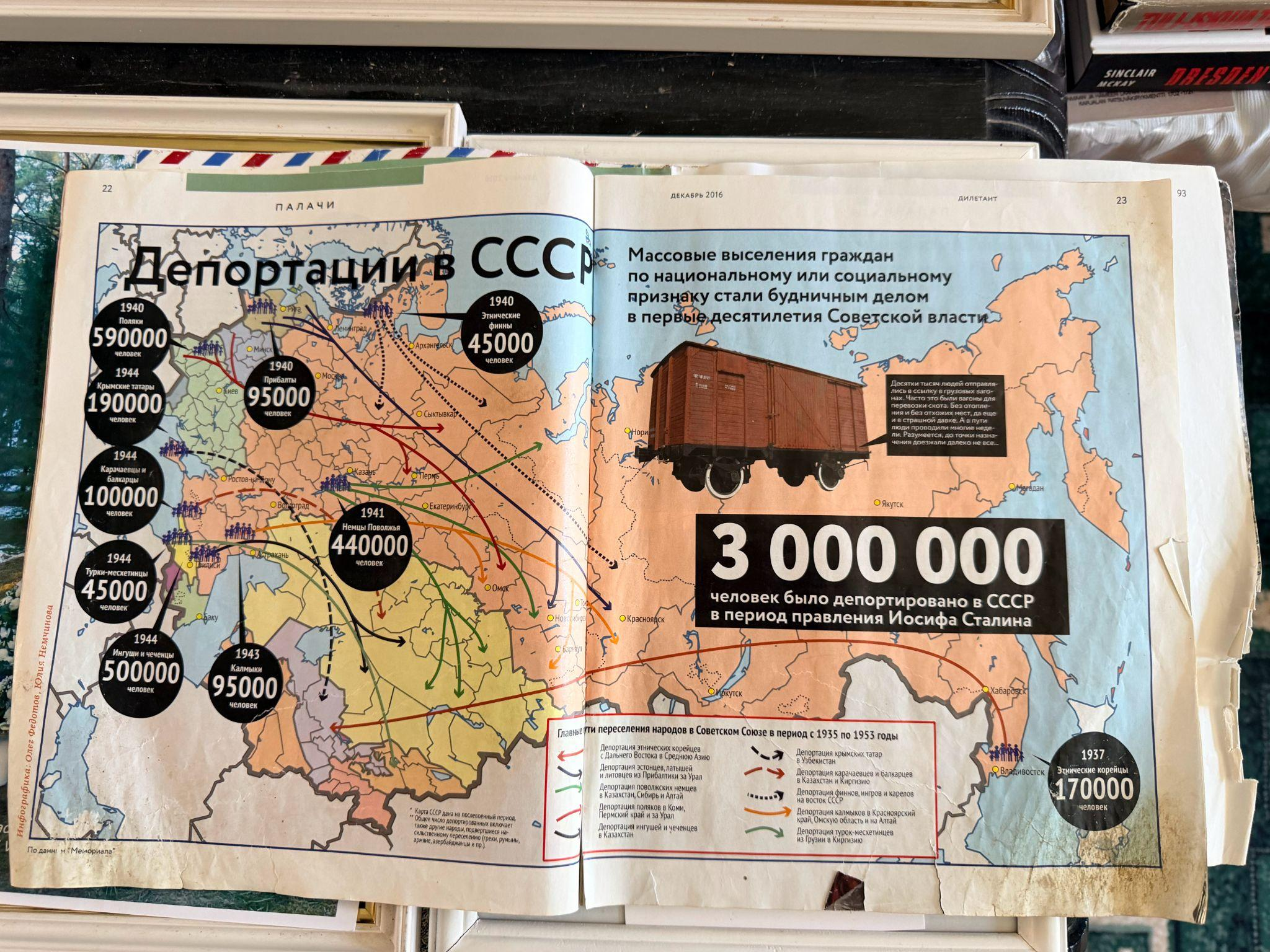
The bases enabled the Soviet Union to take over the country in June 1940. On 14 June 1941 about 10,000 people were deported from Estonia to Siberia, among them over 7,000 women, children and the elderly; fewer than half of those deported ever returned home.
According to the decree, the deportation targeted “former large landowners, merchants and factory owners” — the deliberate removal of the propertied and entrepreneurial class, part of the wrecking of Estonia's economy under the occupation.
The deportation took place while Nazi Germany and the Soviet Union were still cooperating — the Molotov–Ribbentrop Pact was still in force. Only eight days later, on 22 June 1941, did Nazi Germany break the pact and betray the Soviet Union with Operation Barbarossa.
Estonians have been slaves for 700 years — Germans, Swedes, Danes, Poles, Tsarist Russia. But from 1940–1941 the Soviet Russians did more damage to Estonia than the 700 years of slavery ever did.
— Johannes Tõrs, founder of the Museum of the Fight for Estonia's Freedom (private interview, June 2026)
“Show me who your friend is, and I will tell you who you are”
This old saying gets to the heart of 28 September 1939. On the same day, in the same Kremlin where Estonia was being forced to sign a treaty of “mutual assistance”, the Soviet Union signed the German–Soviet Boundary and Friendship Treaty with Nazi Germany. “Friendship” was the treaty's official name. That day the Soviet Union chose Hitler's Germany as its friend — two totalitarian powers dividing Europe as allies.
A state is known by its friends. Estonia was not a friend at that table but a victim: the Estonian delegation shook hands with both Molotov and Ribbentrop, and Estonia's last moments of freedom were spent literally between the two men, under Stalin's gaze. When a state's friend is an aggressor, it is not itself a liberator or protector — whatever is claimed later. The Soviet Union's friend that day says more about its nature than any later slogan.
See also: “The Kremlin Letters: the psychology of the Big Three's correspondence” — the correspondence in which that day's takings were legitimised step by step.
Historiographical notes
Two details call for caution. The German timetable’s note that Stalin “meanwhile negotiated with the Latvians” is an error: the Latvian delegation was summoned to Moscow only on 30 September and the Latvian treaty was signed on 5 October. The delegation Stalin was shuttling to on 28 September was the Estonian one. Likewise, historians regard the sinking of the “Metallist,” cited by Molotov to the Estonians as a pretext, as staged or fabricated.
See also: What an ordinary Russian is taught about history.
See also: Bernt Notke's Danse Macabre.
Sources: Soviet–Estonian Mutual Assistance Treaty (28 Sept 1939), the German–Soviet Boundary and Friendship Treaty (28 Sept 1939), the German–Soviet parade at Brest-Litovsk (22 Sept 1939), the June deportation (14 June 1941), the minutes of the 1939 Soviet–Estonian negotiations (Selter–Piip). See also: Karl Selter's testimony and the minutes of the Kremlin negotiations (24 and 27–28 September 1939) — Tõnu Parming, “Negotiating in the Kremlin: The Estonian Experience of 1939” (Lituanus, 1968). Selter's own testimony: “Testimony of Estonia's Foreign Minister Karl Selter” (Lituanus, 1968). The Ribbentrop quote: Roger Moorhouse, “The Devils' Alliance: Hitler's Pact with Stalin, 1939–1941” (2014). Ribbentrop’s “as among old party comrades”: Joachim von Ribbentrop, “Zwischen London und Moskau. Erinnerungen und letzte Aufzeichnungen” (posthumous, 1953); also quoted in e.g. Claudia Weber, “Der Pakt” (2019) and Roger Moorhouse, “The Devils’ Alliance” (2014). The timetable of Ribbentrop's second visit: “Timetable of Ribbentrop's Second Visit to Moscow” (from Hencke's papers; frame 281527, serial 838), in “Nazi-Soviet Relations 1939–1941” (U.S. Department of State, 1948) — freely readable at the Avalon Project (avalon.law.yale.edu) and ibiblio.org/pha/nsr. The timetable document: avalon.law.yale.edu/20th_century/ns086.asp.
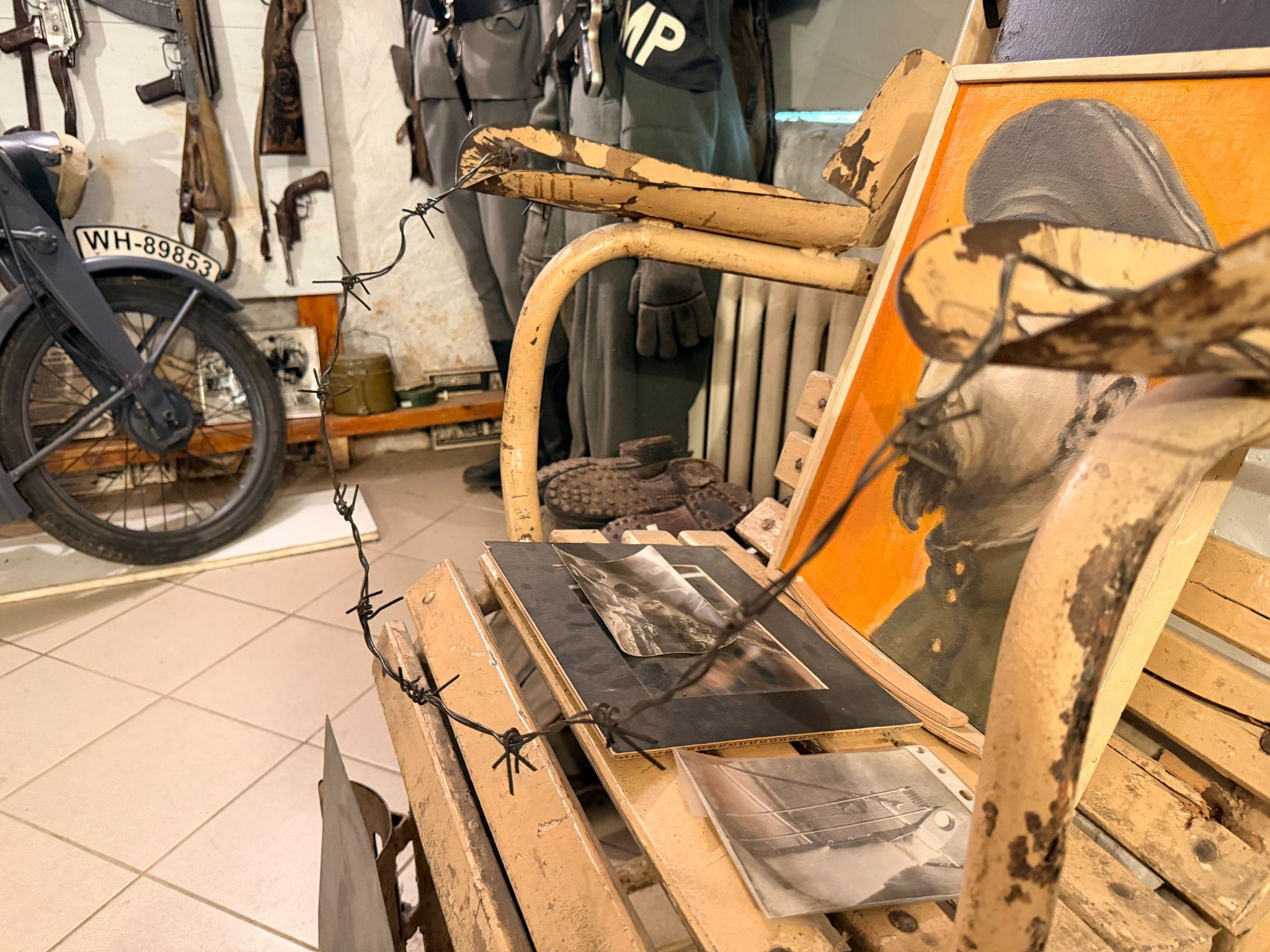
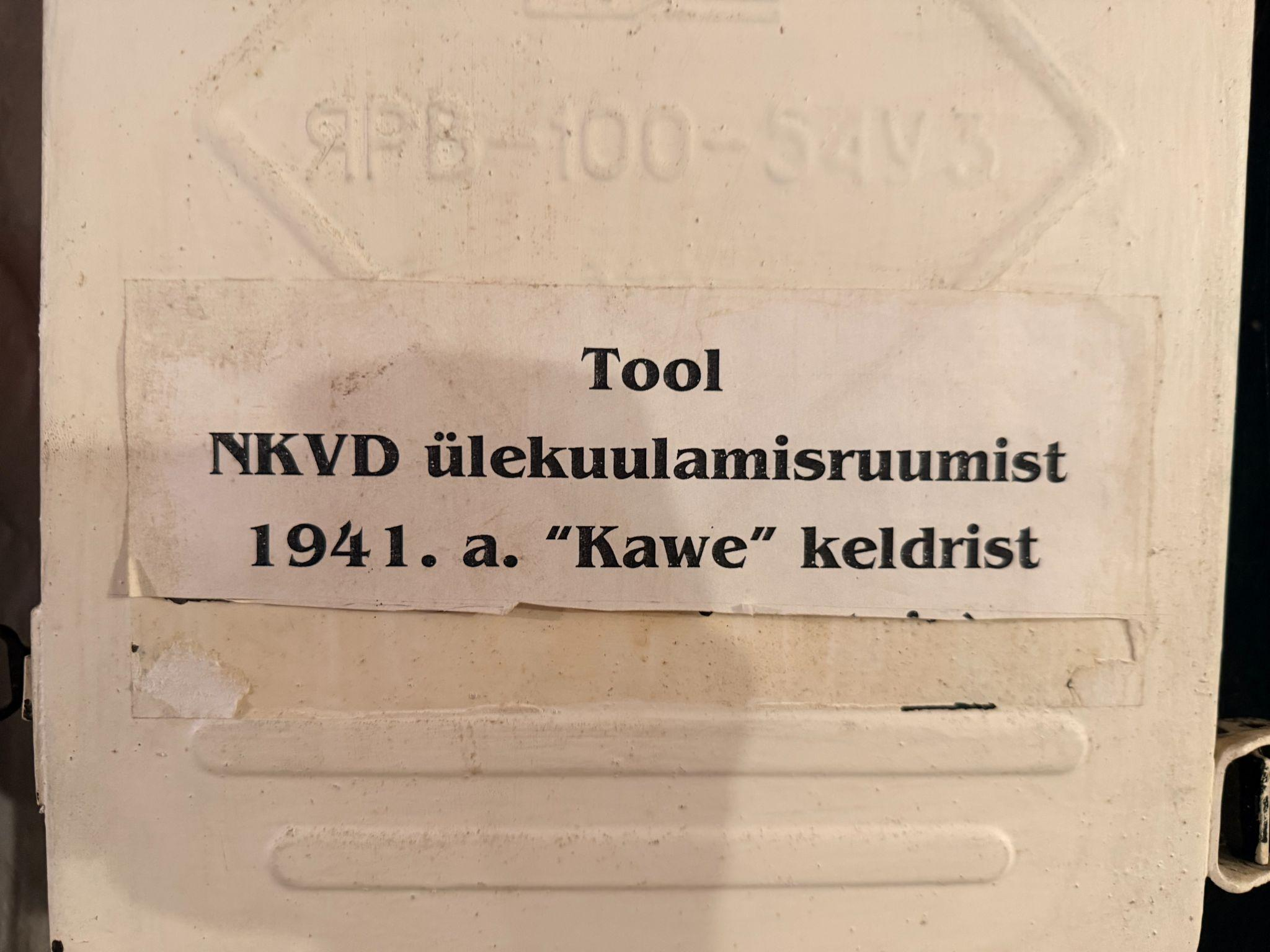
Images from the book
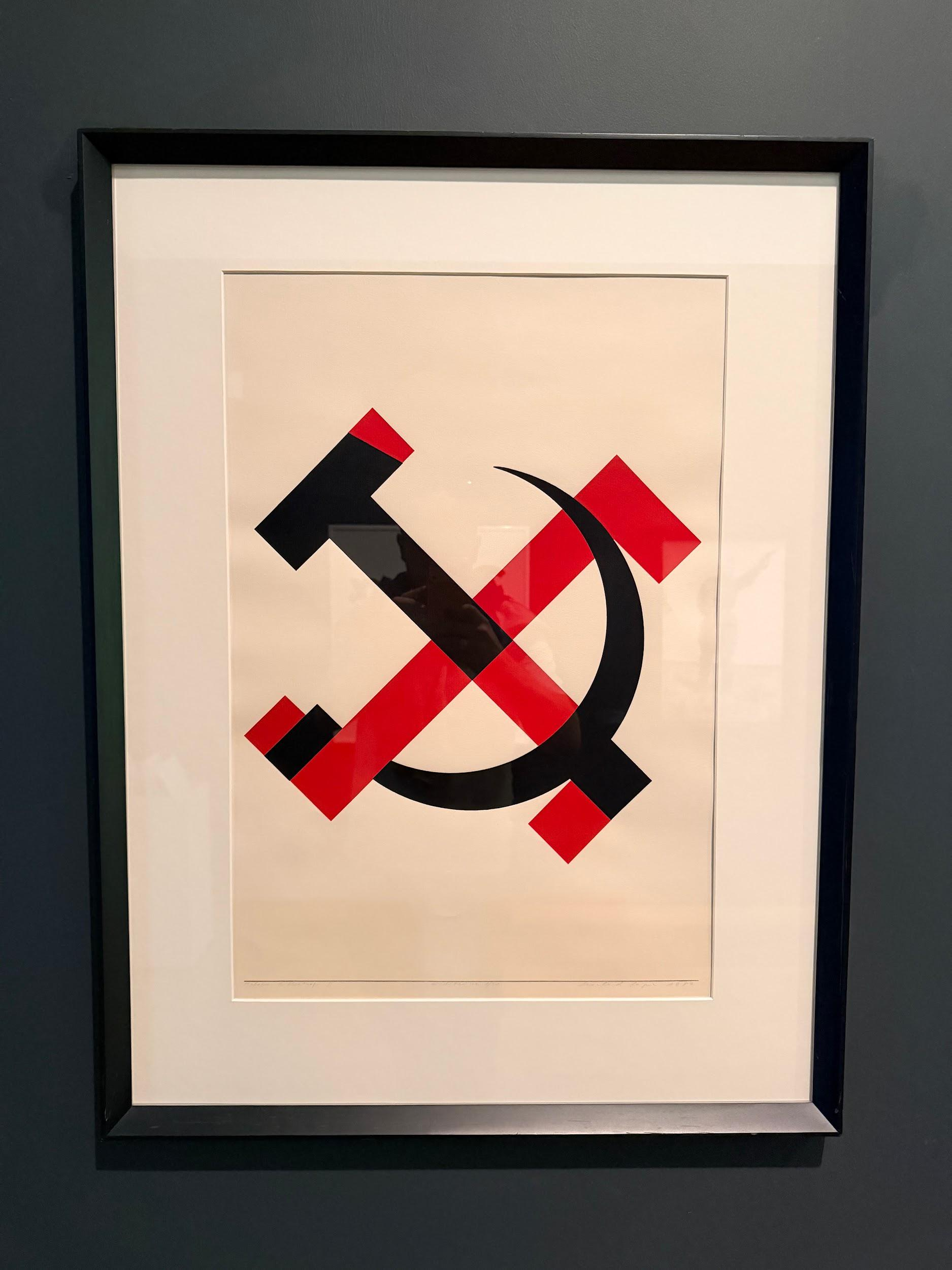
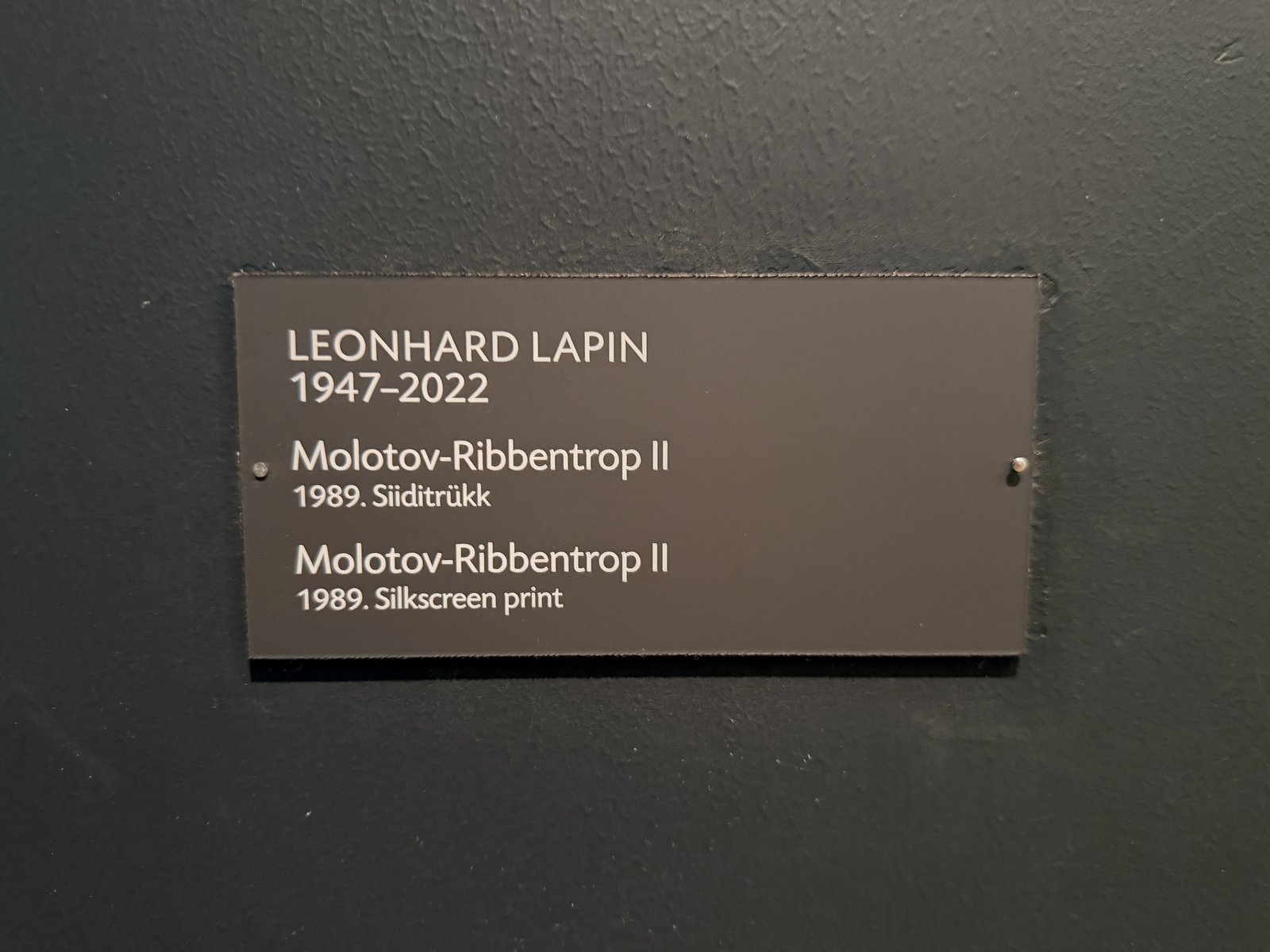
Leonhard Lapin, “Molotov–Ribbentrop II” (silk screen, 1989). Private collection.