A timeline of the Estonian Tatars
Until the Second World War the Estonian Tatars' story ran a single course. The war and the Soviet occupation split the community in two — those who stayed in Estonia and those who fled west — until Estonia regained its independence in 1991.
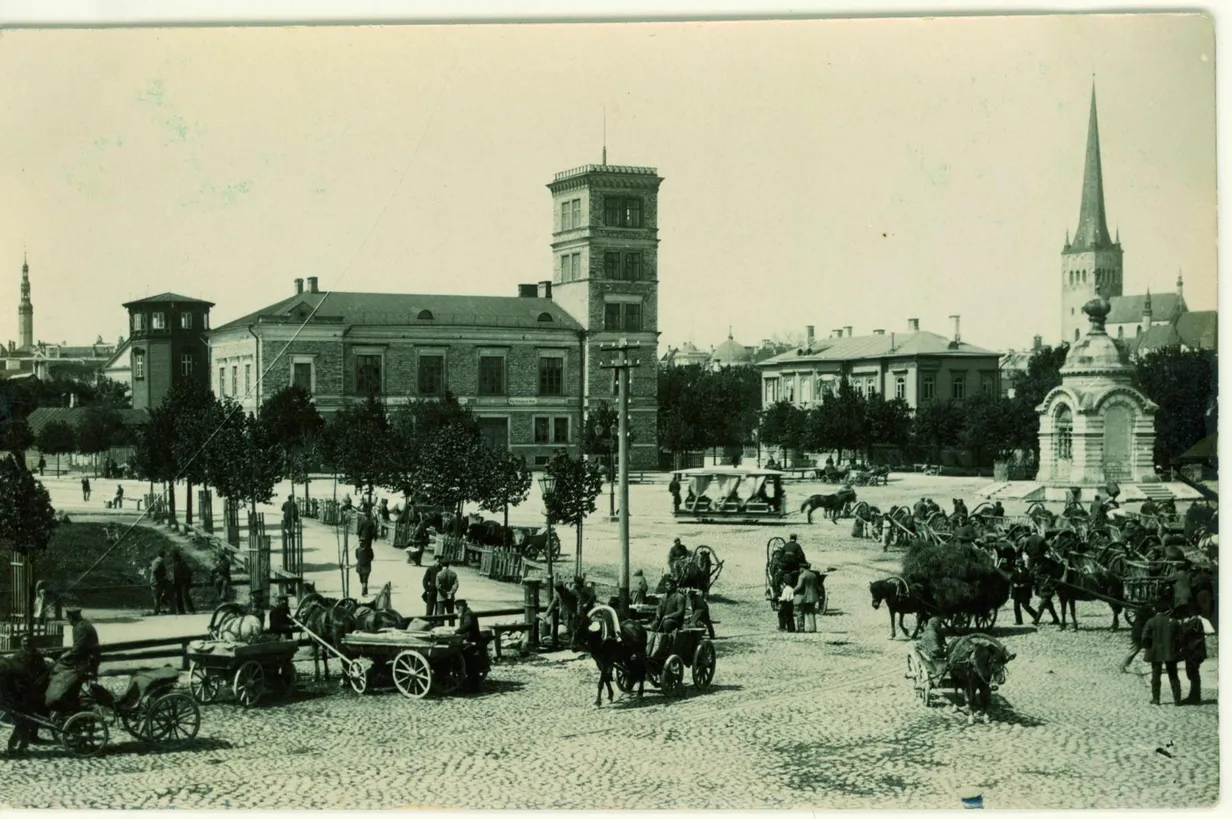
Tatar sailors settle in Tallinn; the Tatari suburb takes shape (Tatari Street, the “Tatar Nest” in Kadriorg).
The merchant Zäkir Zäkeri (Zakir Zakerov) arrives in Tallinn from the Nižni Novgorod region — one of the first.
The census counts 109 Tatars in Tallinn; by 1914 the estimate is up to 2,000.
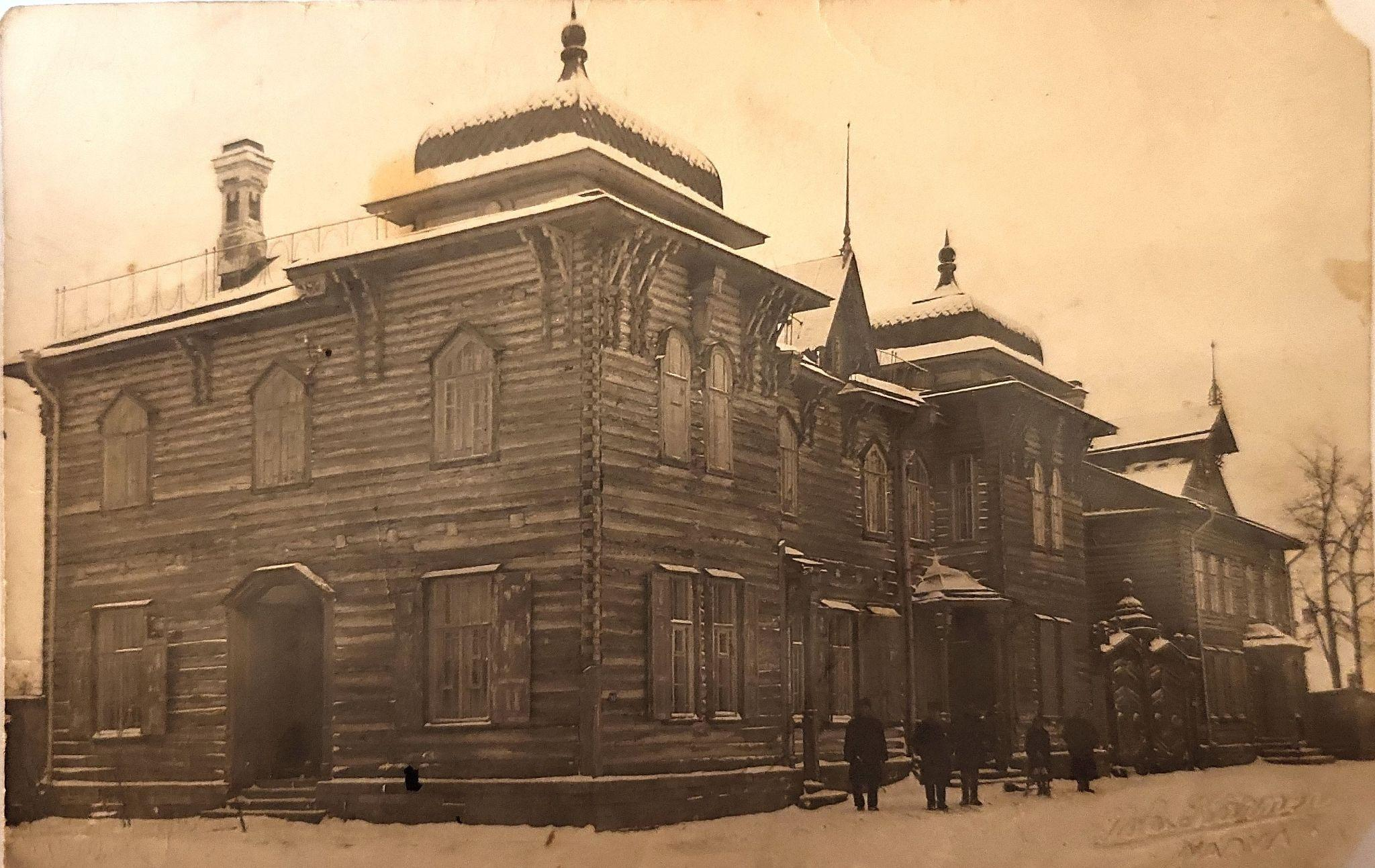
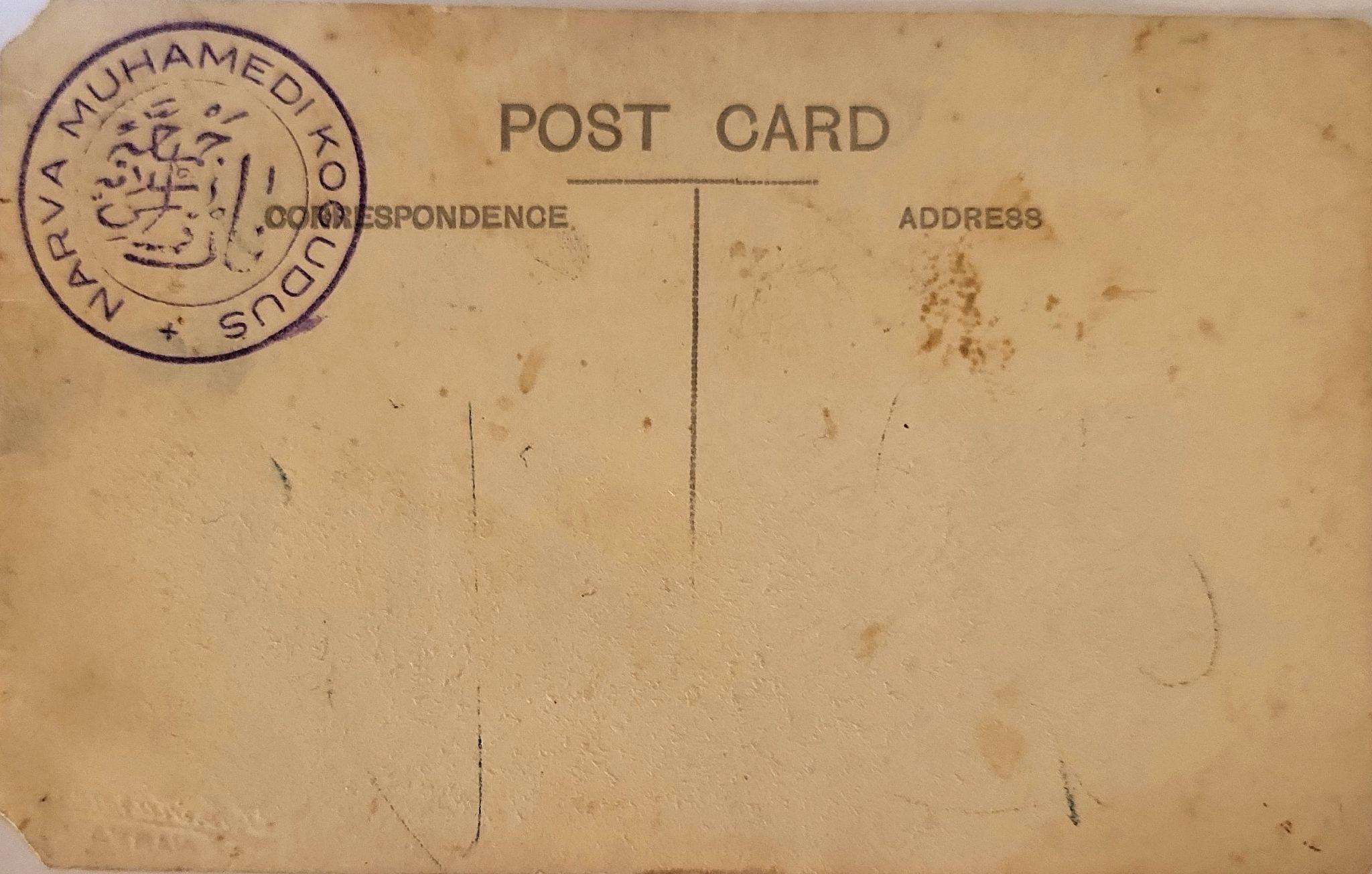
The census counts ~166 Tatars; the community's own estimate is ~180.
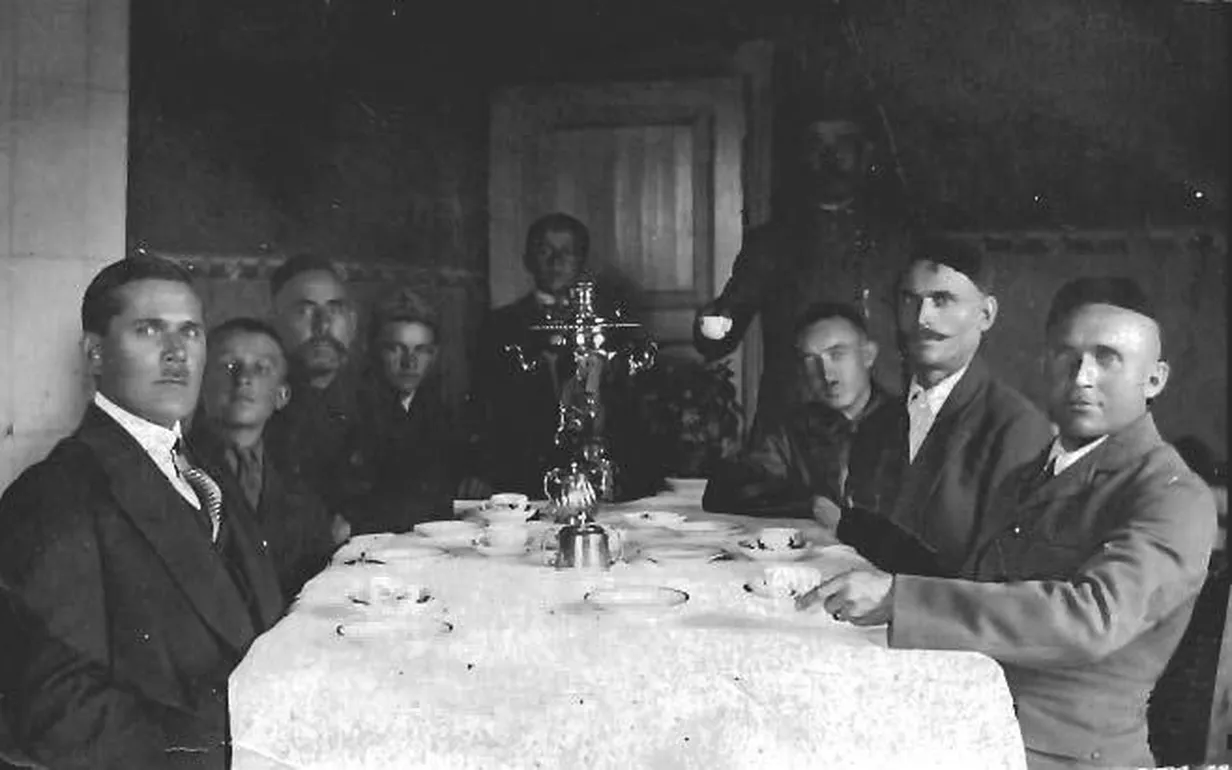
Eid al-Fitr prayers in Narva — a documented prayer for the Estonian government.
Tatar schools run: a Sunday school in Tallinn (Raua Street 57) and an evening school in Narva.
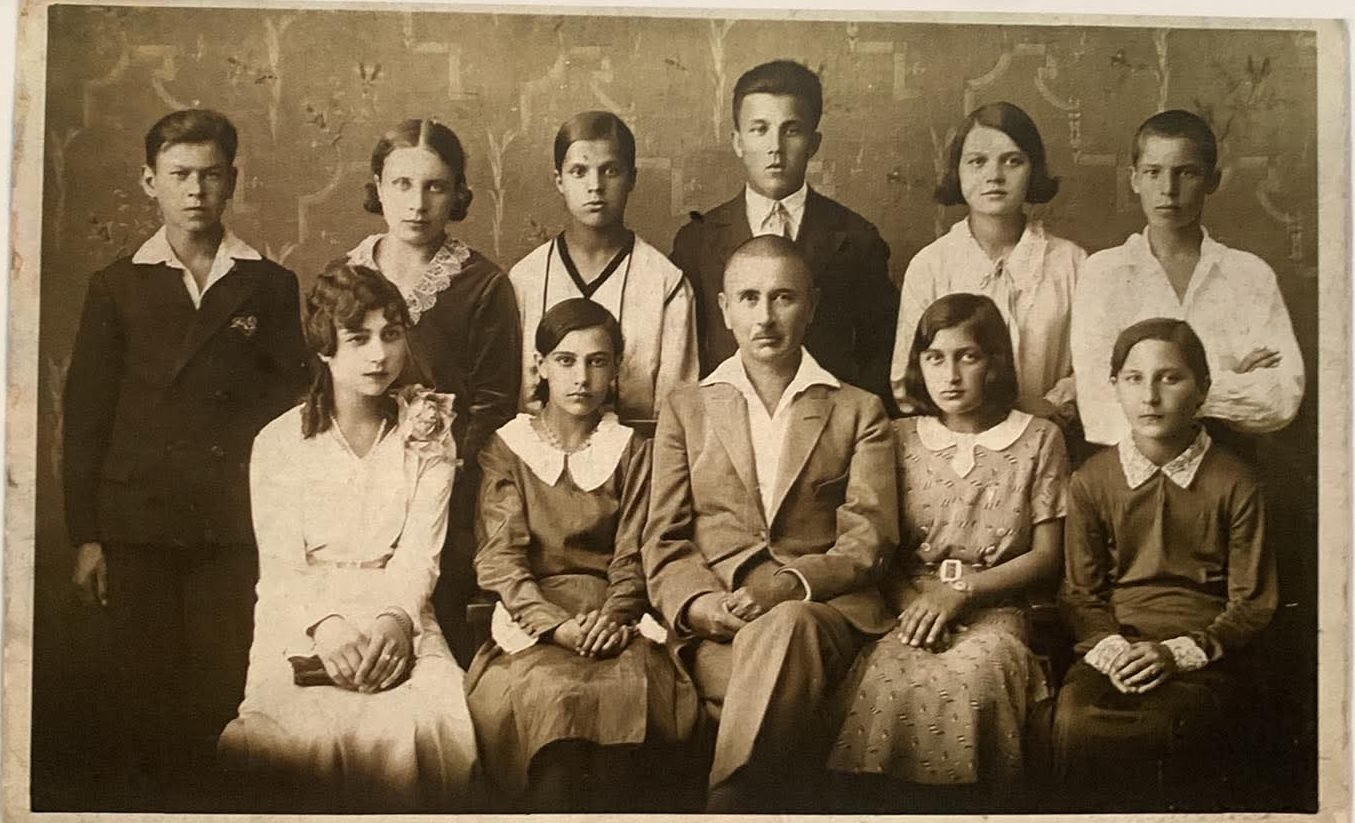
Sibgadulla Mähdejev dies; the Estonian papers report: the king of the Tatars has died.
A great gathering at Narva-Jõesuu — almost all the Estonian Tatars are represented.
The war split the community into two paths.
The occupation begins; the authorities dissolve the congregations.
Narva is destroyed in the war. The Soviet occupation authorities do not allow the city to be rebuilt, and the families are forced to move to Tallinn and Rakvere — after which the community falls apart.
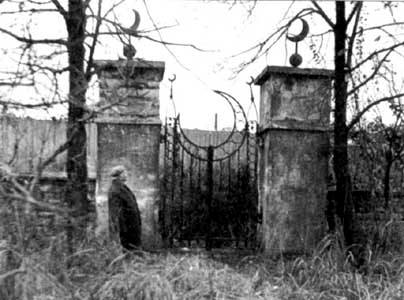
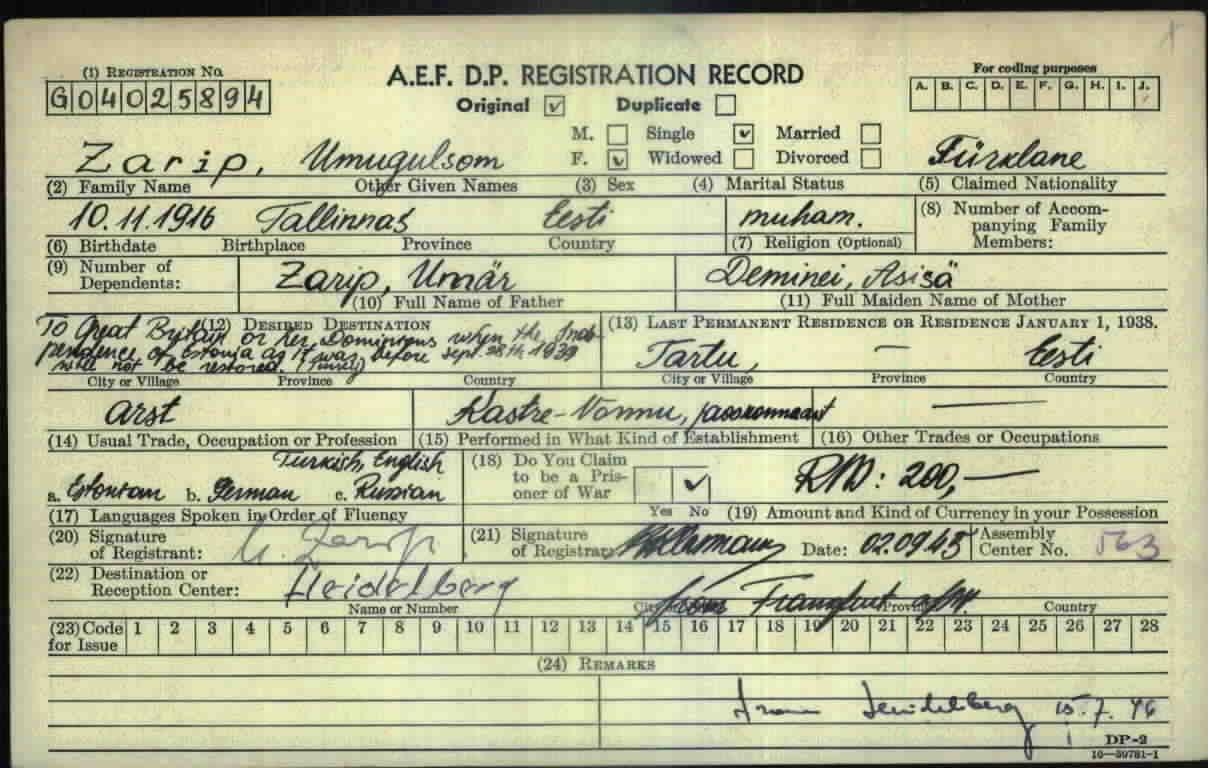
Estonia restores its independence; the occupation ends.
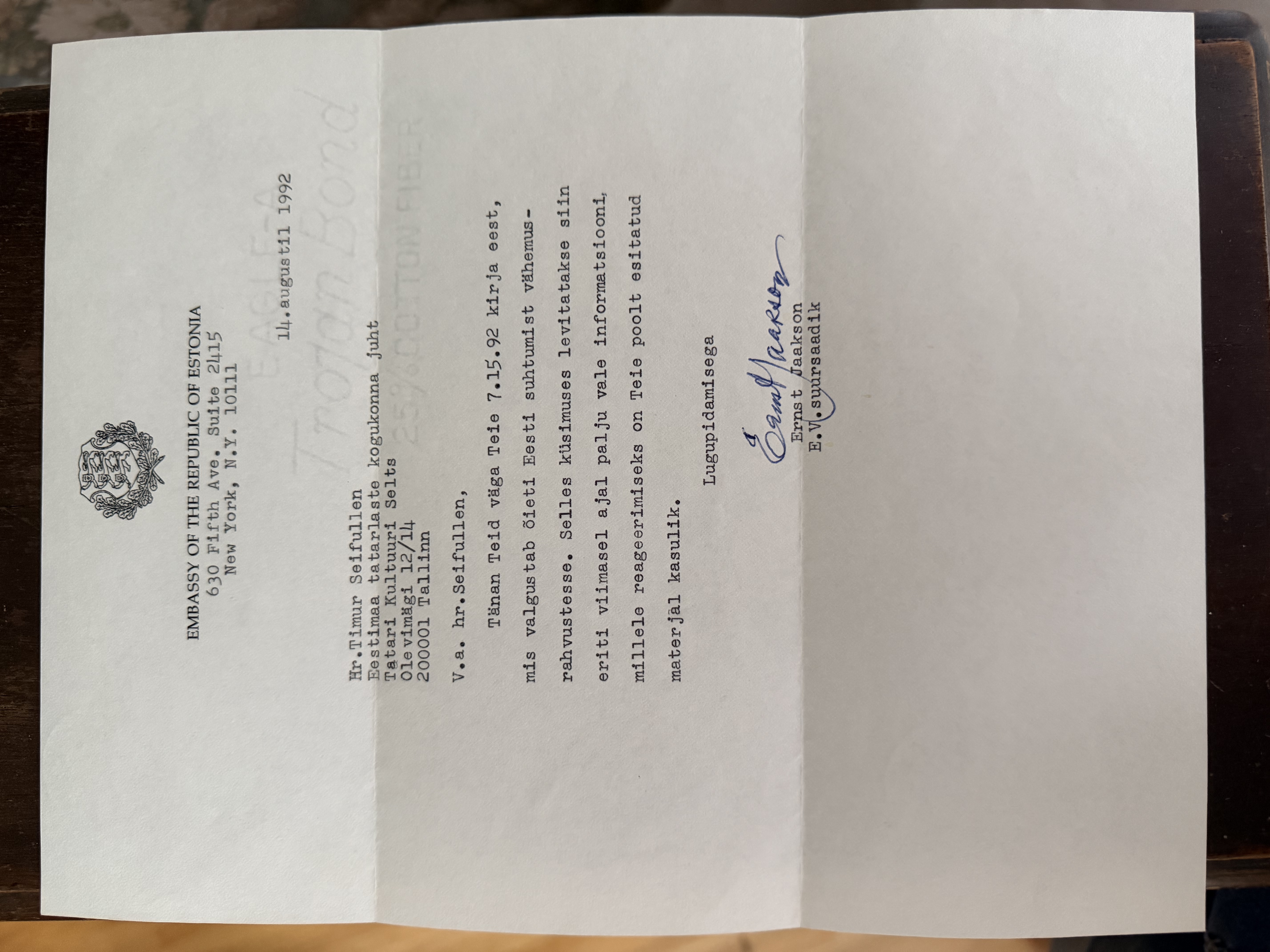
Ernst Jaakson, Estonia's ambassador — who preserved the diplomatic continuity of the Estonian state through the occupation — writes to thank Timur Seifullen, head of the Tatar Cultural Society, whose material correctly illuminates Estonia's attitude toward minority nationalities. The letter notes it is useful for rebutting the false information then being spread — a testament to the Estonian Tatars' bond with the restored Estonian state.