Estophilia
Estophilia is the love of Estonia and Estonian culture by people who are not themselves Estonian. Long before Estonia was a state, Baltic German scholars — Estophiles — studied, wrote down and championed the Estonian language and folk culture. Their work prepared the Estonian national awakening. And in it lies a surprising turn: the birth of the nation was helped into being by the very Baltic German class that the Estonian people would one day surpass.
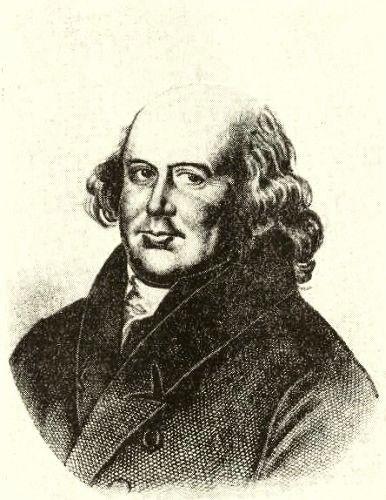
Garlieb Merkel — the Baltic German Estophile who first treated Estonians as a nation equal to others.
What Estophilia is
An Estophile is a person not of Estonian descent who is devoted to the Estonian language, literature and culture. In the 18th and 19th centuries these were mostly Baltic German clergymen, scholars and intellectuals who, with the Enlightenment ideas absorbed at German universities — of freedom, equality and brotherhood — turned their gaze to the language and customs of the Estonian peasantry.
The Estophile Enlightenment (c. 1750–1840)
The Estophile Enlightenment lasted roughly from 1750 to 1840. The educated Estophiles admired the ancient culture of the Estonians and their age of freedom before the 13th-century conquests. They developed the Estonian literary language, published books in Estonian, and studied the customs and folklore of the peasantry. The German philosopher Johann Gottfried Herder collected and published Estonian folk songs, raising them before Europe. So was laid the foundation of what would later grow into the Estonian national awakening.
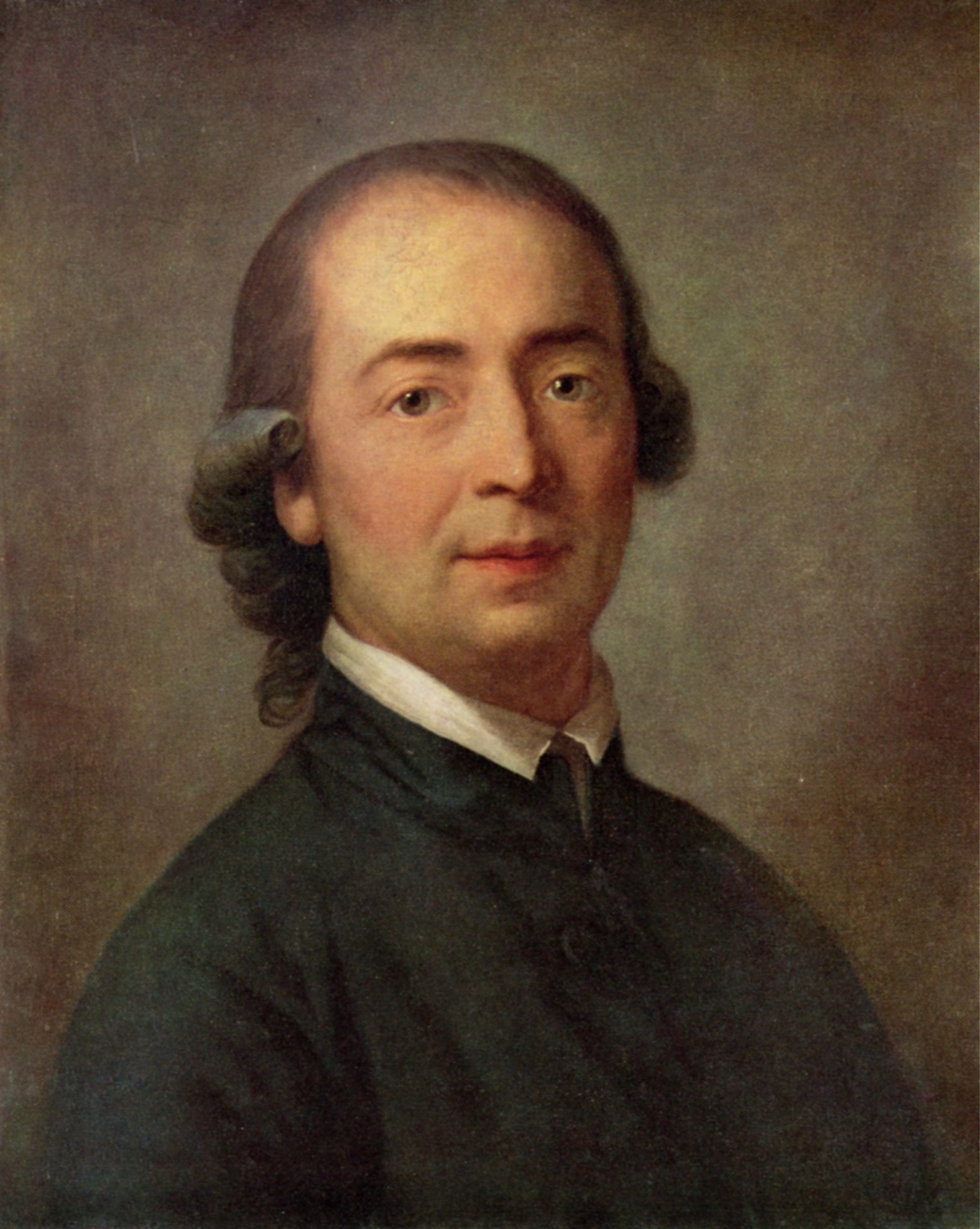
Johann Gottfried Herder collected and published Estonian folk songs, raising them before Europe.
The names and the Learned Estonian Society
Several names stand out among the Estophiles. Garlieb Merkel (1769–1850) was the first to treat Estonians as a nation equal to others, and became an inspiration for the Estonian national movement. Johann Heinrich Rosenplänter published a journal on the Estonian language, Otto Wilhelm Masing developed Estonian orthography (the letter õ comes from him), and August Wilhelm Hupel described the Estonian language and conditions. In 1838 the Learned Estonian Society was founded at the University of Tartu — Estonia's oldest scholarly society — bringing together Estonian and Estophile Baltic German intellectuals to study Estonia's history, language and folklore. It was on the work of the Estophiles and the society that Friedrich Reinhold Kreutzwald drew when he compiled the Estonian national epic Kalevipoeg.
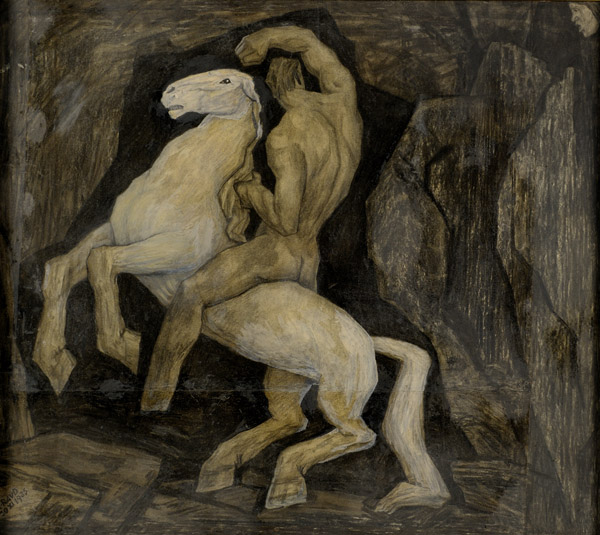
The national epic Kalevipoeg (illustration by Kristjan Raud). Kreutzwald compiled it drawing on the Estophiles and the Learned Estonian Society.
The prelude to the awakening
The Estophile age was the prelude to the awakening. By the time the Estonian national awakening began in the mid-19th century, the Estophiles had brought about a unified Estonian literary language, an expanded school network and a growing self-awareness among Estonians. The people the Estophiles had loved and studied began to feel themselves a nation.
The irony and the legacy
A deep irony lies in the Estophiles' story: many of them were Baltic Germans — the very class whose community Estonia would later honour as a minority and whose community the totalitarian powers destroyed (see The Baltic German heritage belongs to Estonia). They loved Estonia and helped bring to birth a nation that in the end surpassed their own elite. Estophilia has not vanished: to this day Estonia draws those who are not from here — but its deepest root is here, in the Enlightenment scholars' love of the Estonian language and folklore.
See also
The Baltic German heritage belongs to Estonia, Estonian science that changed the world.
Sources: Estophilia (Wikipedia); Learned Estonian Society (Wikipedia); Estonian national awakening (Wikipedia).