Lend-Lease and the Soviet Union in the Second World War
Lend-Lease was a United States program through which the U.S. (and, in parallel, Great Britain) supplied its allies during the Second World War, including the Soviet Union, with military equipment, fuel, food and raw materials. This is essential background for understanding how heavily the Soviet Union — which later occupied Estonia — depended on Western aid to survive the war.
Despite being overlooked in many circles, American “Lend-Lease” support sent to the USSR not only tipped the scales in Eastern Europe but enabled the victory on the Russian Front.
— Lend-Lease and the Eastern Front, The National WWII Museum (a quote from the article).
Scale
The Soviet Union received about US $11.3 billion worth of aid through Lend-Lease. The aid was not limited to weapons and tanks — the largest and often irreplaceable share was in logistics, raw materials and food.
Where the aid was decisive
The single most decisive contribution was motorised transport — the trucks. A modern offensive depends on how fast troops, artillery and supplies can be moved; it was the Western trucks (above all the Studebakers) that gave the Red Army that mobility, making the rapid great offensives of 1943–1945 possible. Fuel and food kept the war machine running, but without the trucks the Soviet advance would have bogged down in logistics — which is why transport is regarded as Lend-Lease's most decisive help to the Soviet Union.
Trucks and transport: the U.S. delivered nearly 427,000 trucks — roughly one and a half times what the Soviet Union produced during the war. Western trucks made up, by 1945, about a third of the Red Army’s truck fleet (roughly half of its carrying capacity).
Aviation fuel: the U.S. delivered over 2.6 million tons of petroleum products — about 58% of the Soviet Union’s aviation fuel and nearly 90% of the high-octane fuel that the USSR could not itself produce.
Aluminium and food: a significant share of the aluminium needed to build aircraft and of the Red Army’s food (including canned meat, wheat, sugar) came from Lend-Lease.
Armaments: thousands of aircraft and armoured vehicles were also delivered, though their share of total Soviet output was smaller than that of logistics and raw materials.
The Soviet account
During the Cold War, Soviet officials claimed that Lend-Lease amounted to only about 4% of the Red Army’s supply. Historians regard this figure as heavily understated — it likely counted only early deliveries and was deflated for political reasons to avoid crediting the West.
Connection to the Estonian story
The bitter contradiction is plain: the same Soviet Union that survived the war largely on Western aid then occupied and devastated Estonia and the other Baltic states.
Sources: The National WWII Museum: Lend-Lease to the Eastern Front; Lend-Lease (general). Figures cross-checked against public sources.
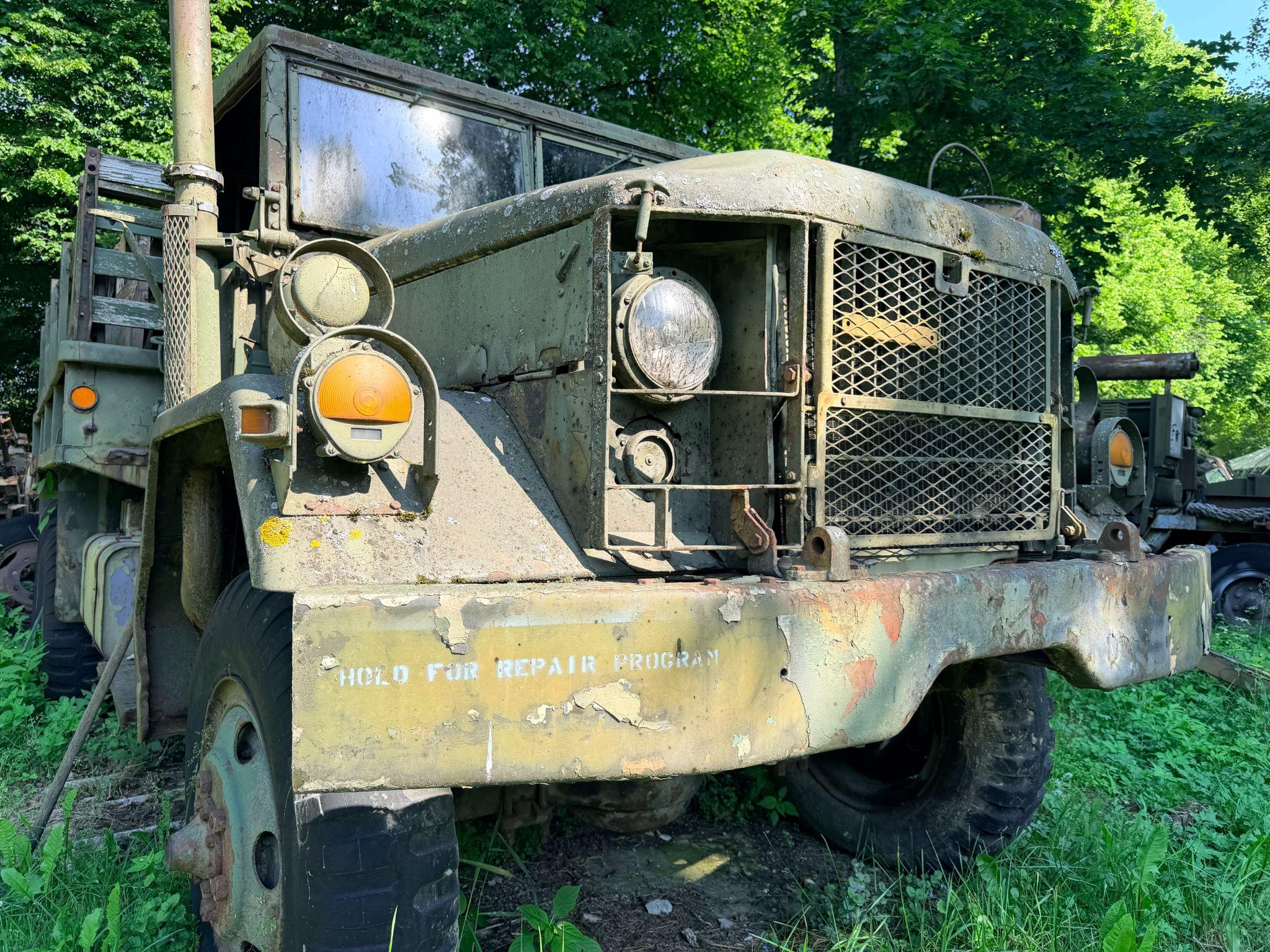
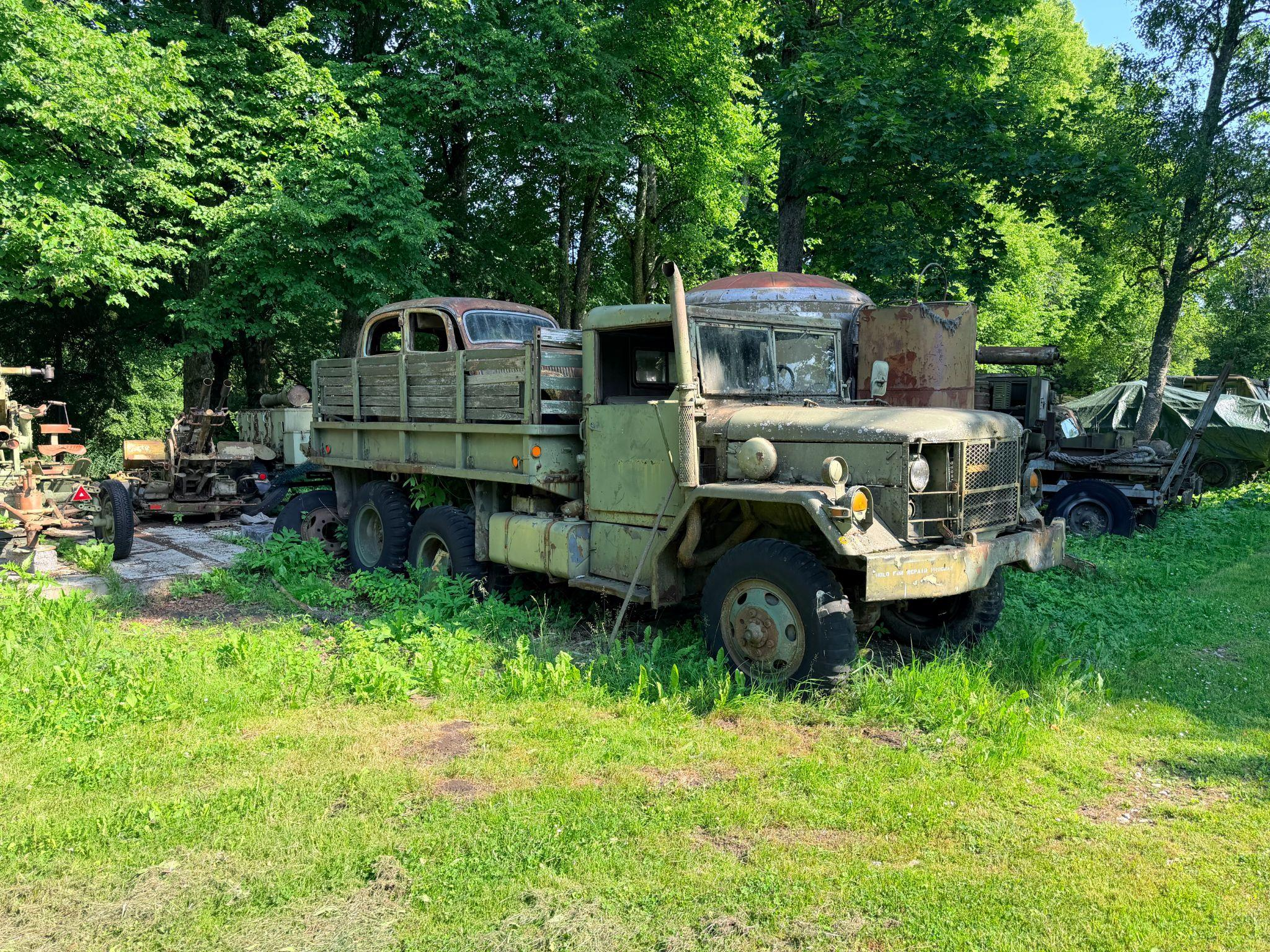
Western technology also reached Estonia directly. The standard truck of the 1940 invasion, the GAZ-AA, was a Ford licence product — the GAZ works in Nizhny Novgorod was built in 1929–1932 in cooperation with Ford. In 1944 the Red Army returned to Estonia on Lend-Lease trucks and fuel. And for the March 1949 deportation 2,772 trucks were readied — eyewitnesses describe streets filled with American Studebakers carrying the deportees from their homes to the stations. The aid that saved the Soviet Union later rolled against the Estonian people.
The aid was not unconditional. The Lend-Lease Act (11 March 1941) was titled “An Act to Promote the Defense of the United States” — all aid was tied to defence. The US–USSR Master Agreement (11 June 1942) defined the purpose narrowly: the materials were given “for the prosecution of the war against aggression”; they could not be transferred to a third party without US consent; and at the war's end the surviving equipment was returnable to the United States on request, with what remained in civilian use to be paid for. The USSR met none of these conditions: most of the equipment was never returned, and the settlement dragged on for decades — the US initially asked nearly 1.3 billion dollars, 722 million was agreed in 1972, and the final payments were made only by the Russian Federation in the 2000s. That makes the story of the 1949 deportation trucks a double breach: equipment given for the war against aggression, unreturned and unpaid for, serving aggression itself in an occupied country.
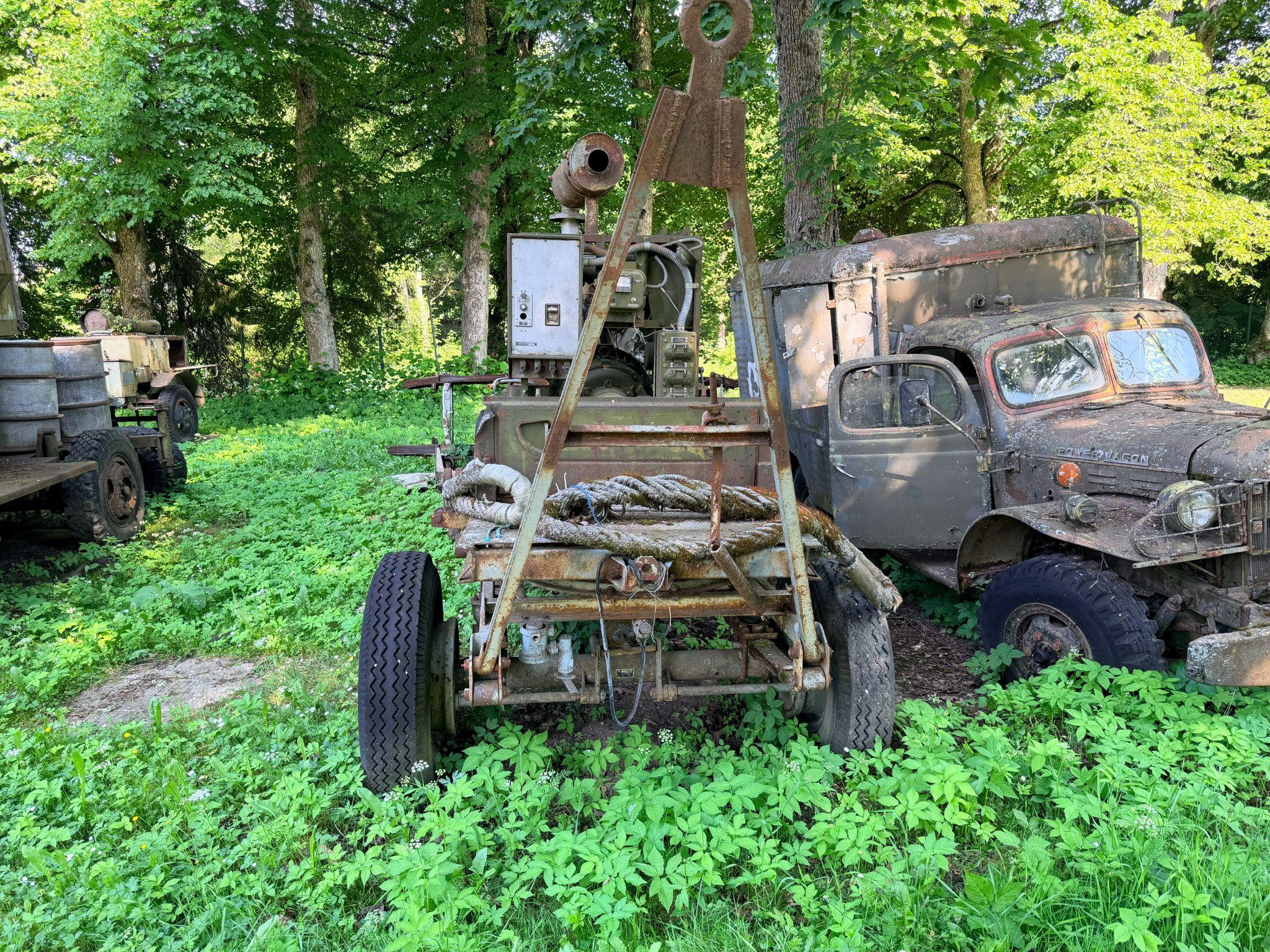
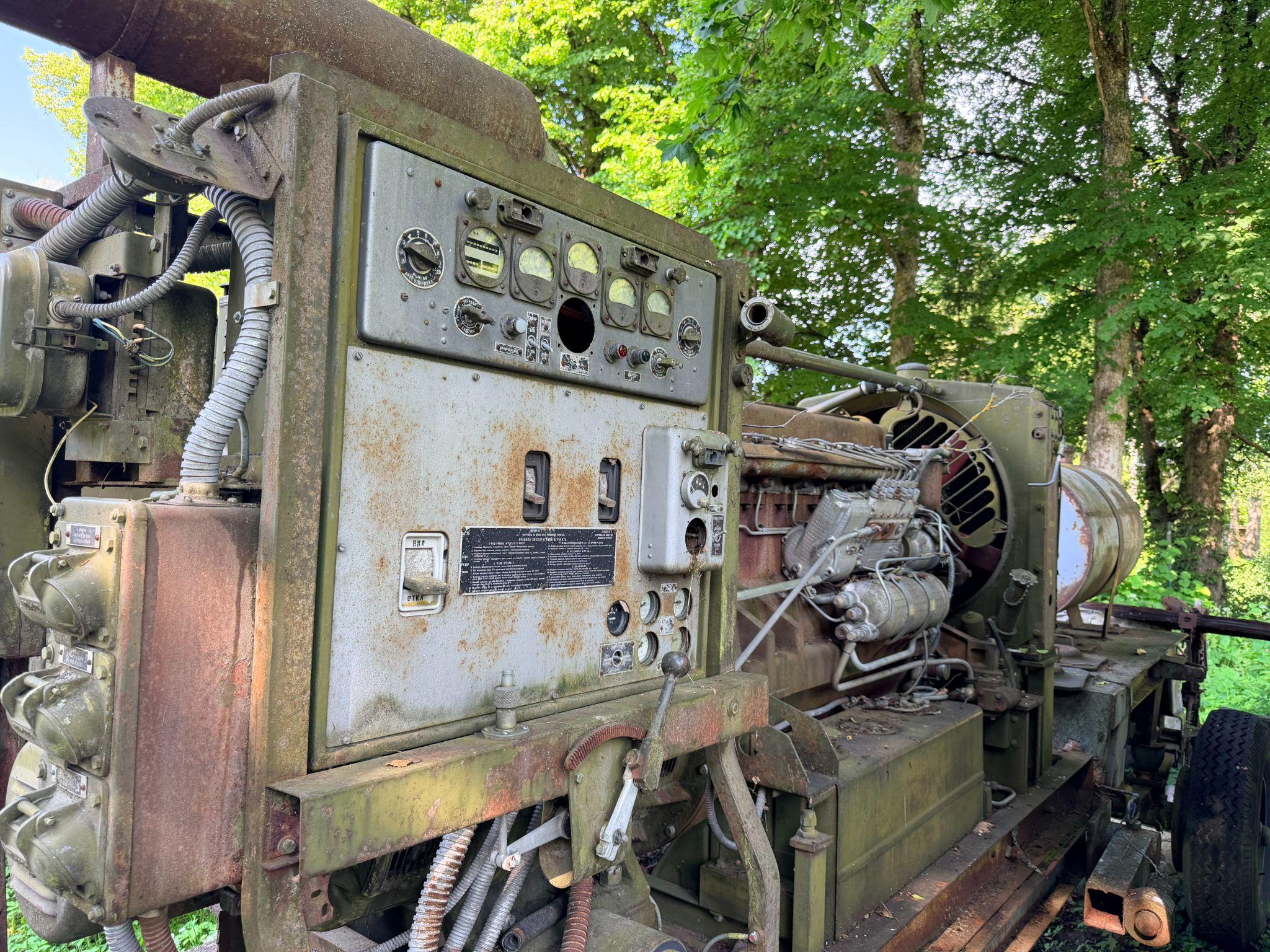
Images from the book
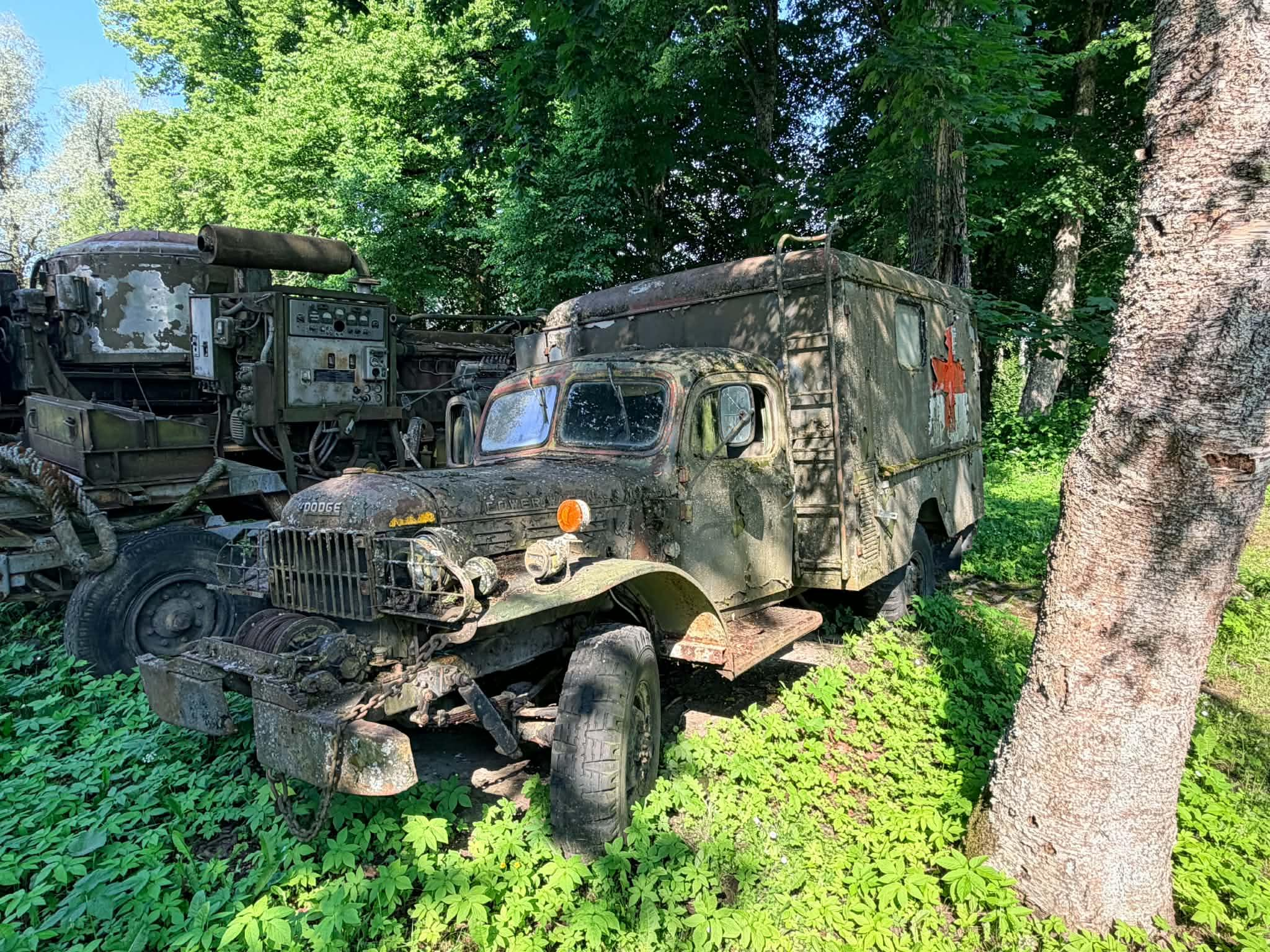
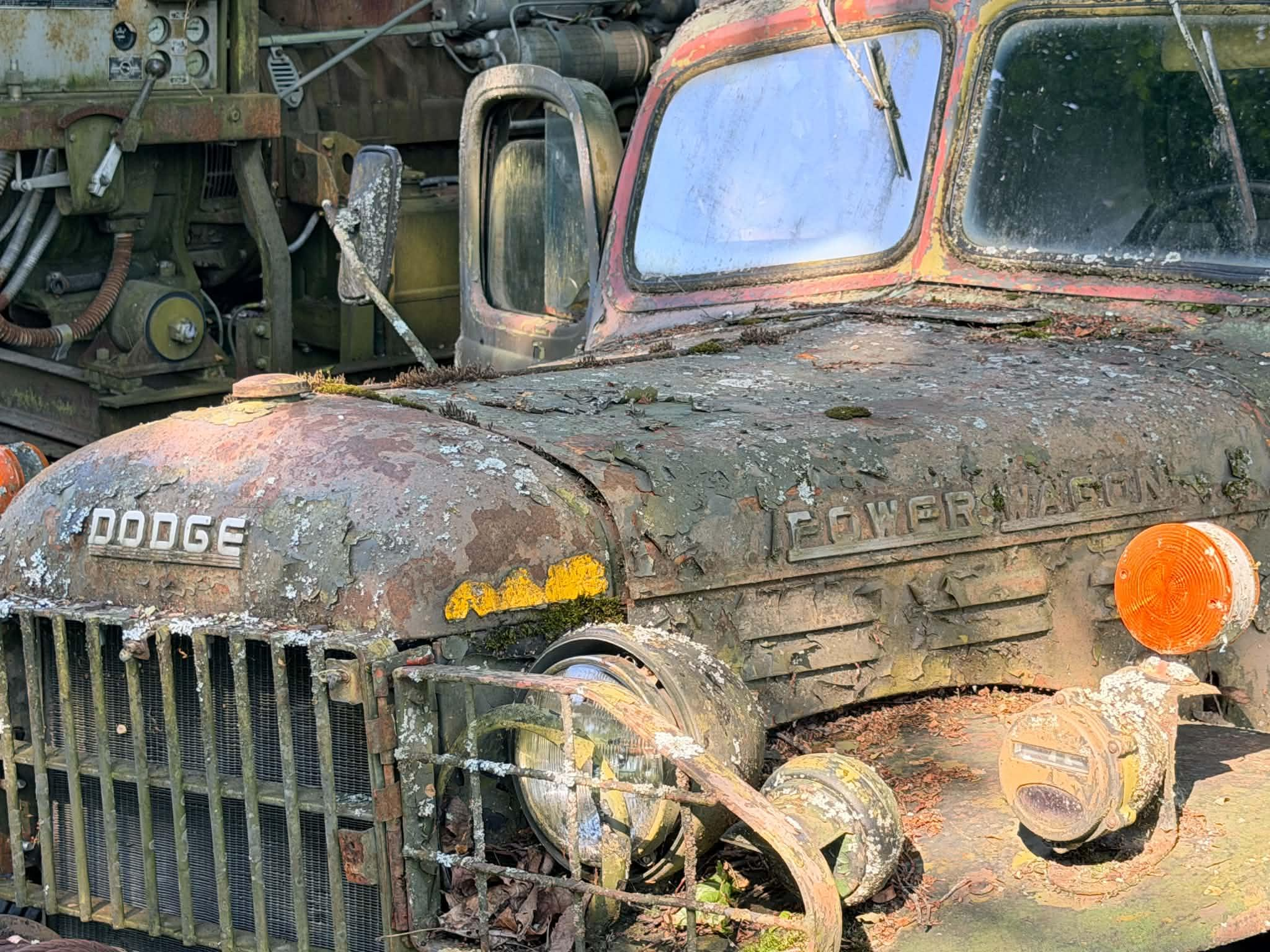
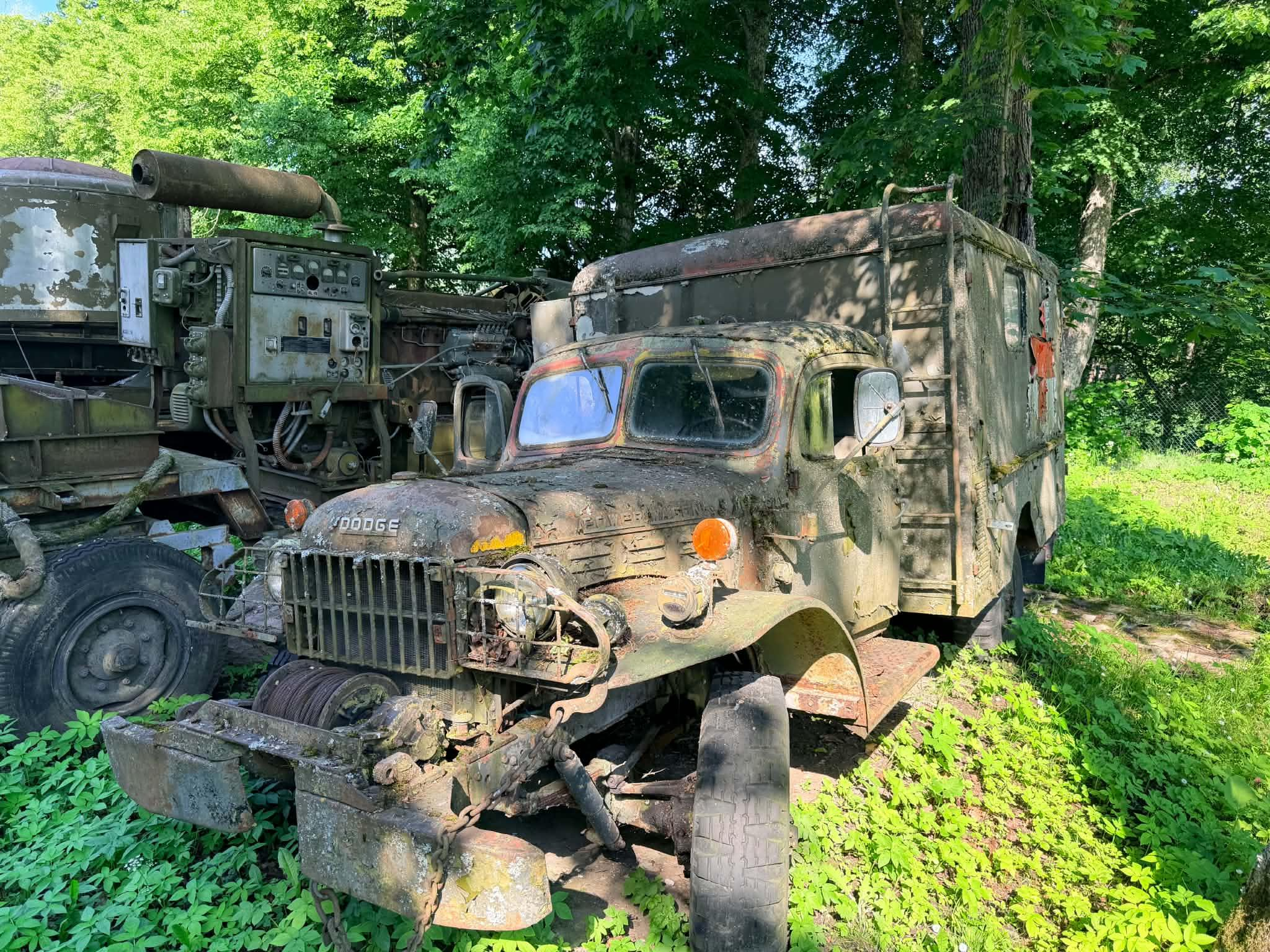
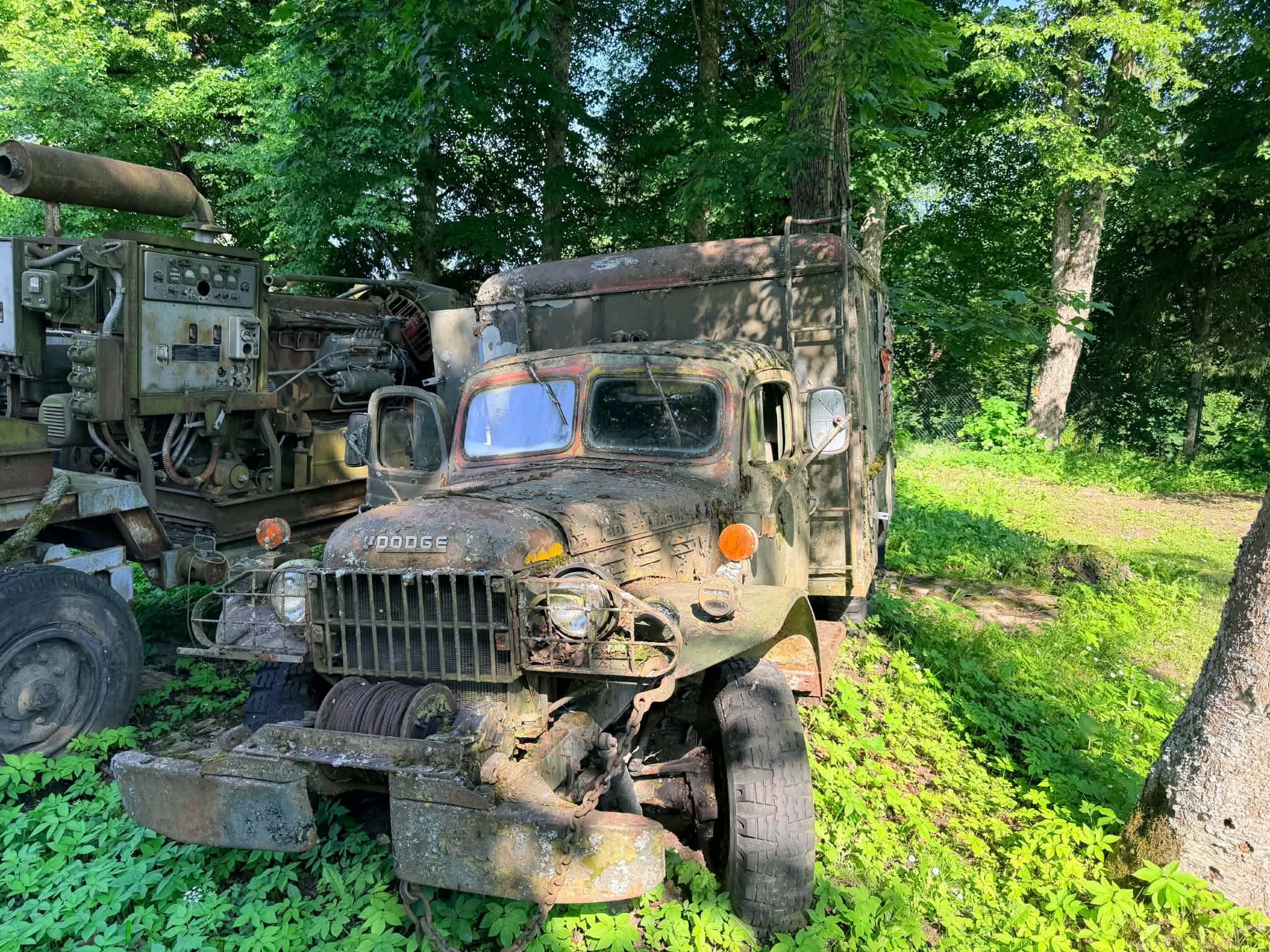
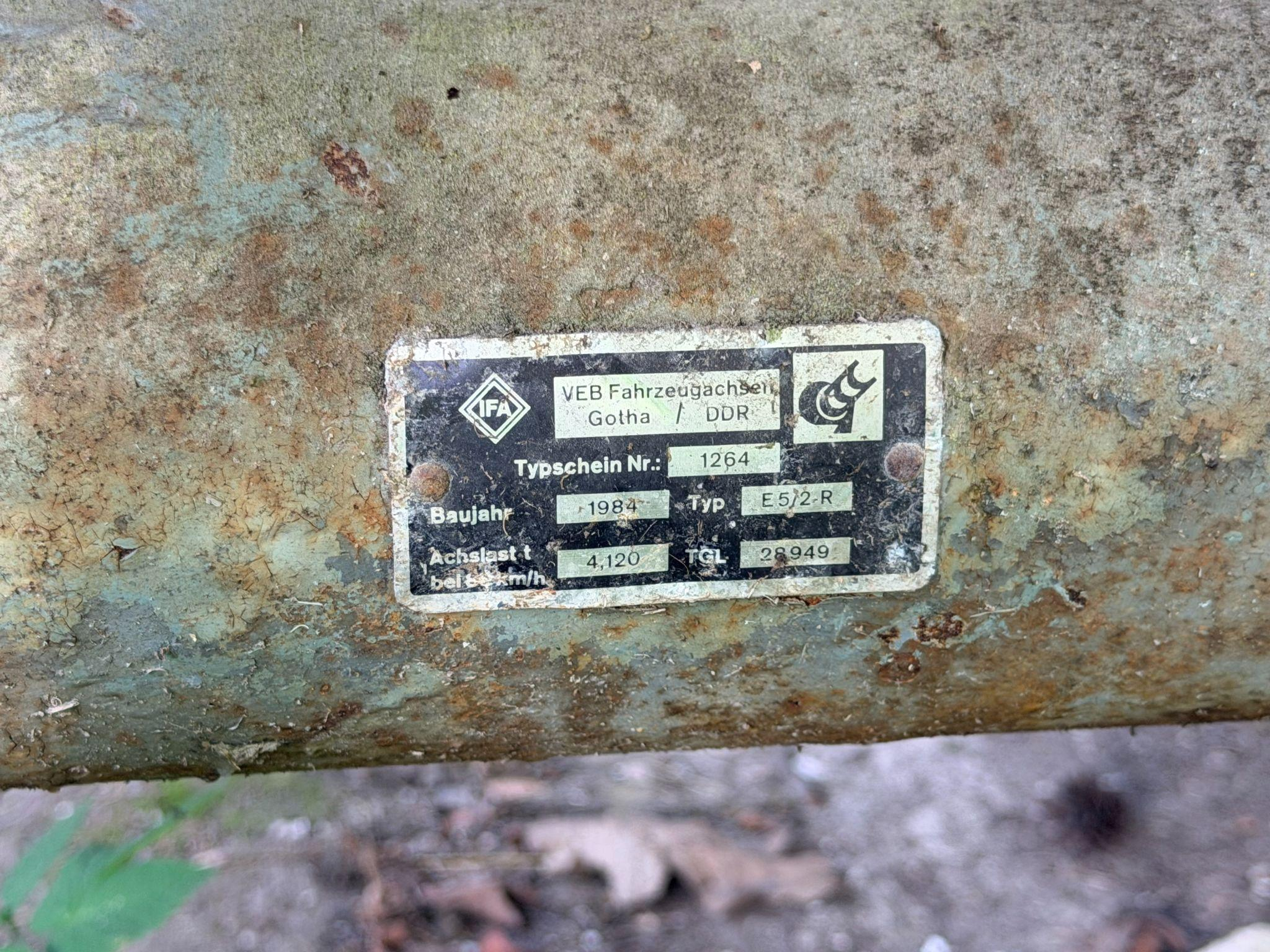
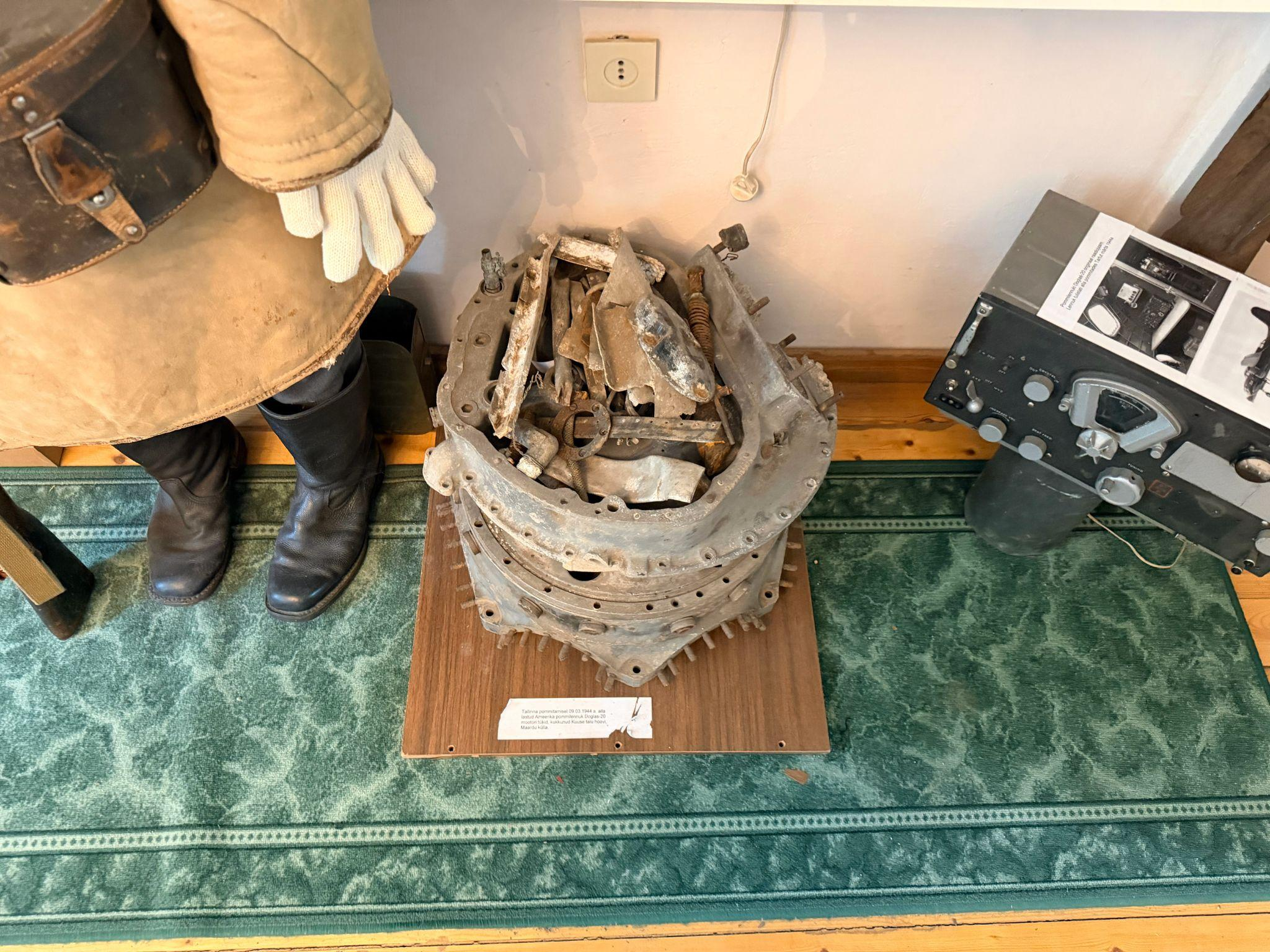
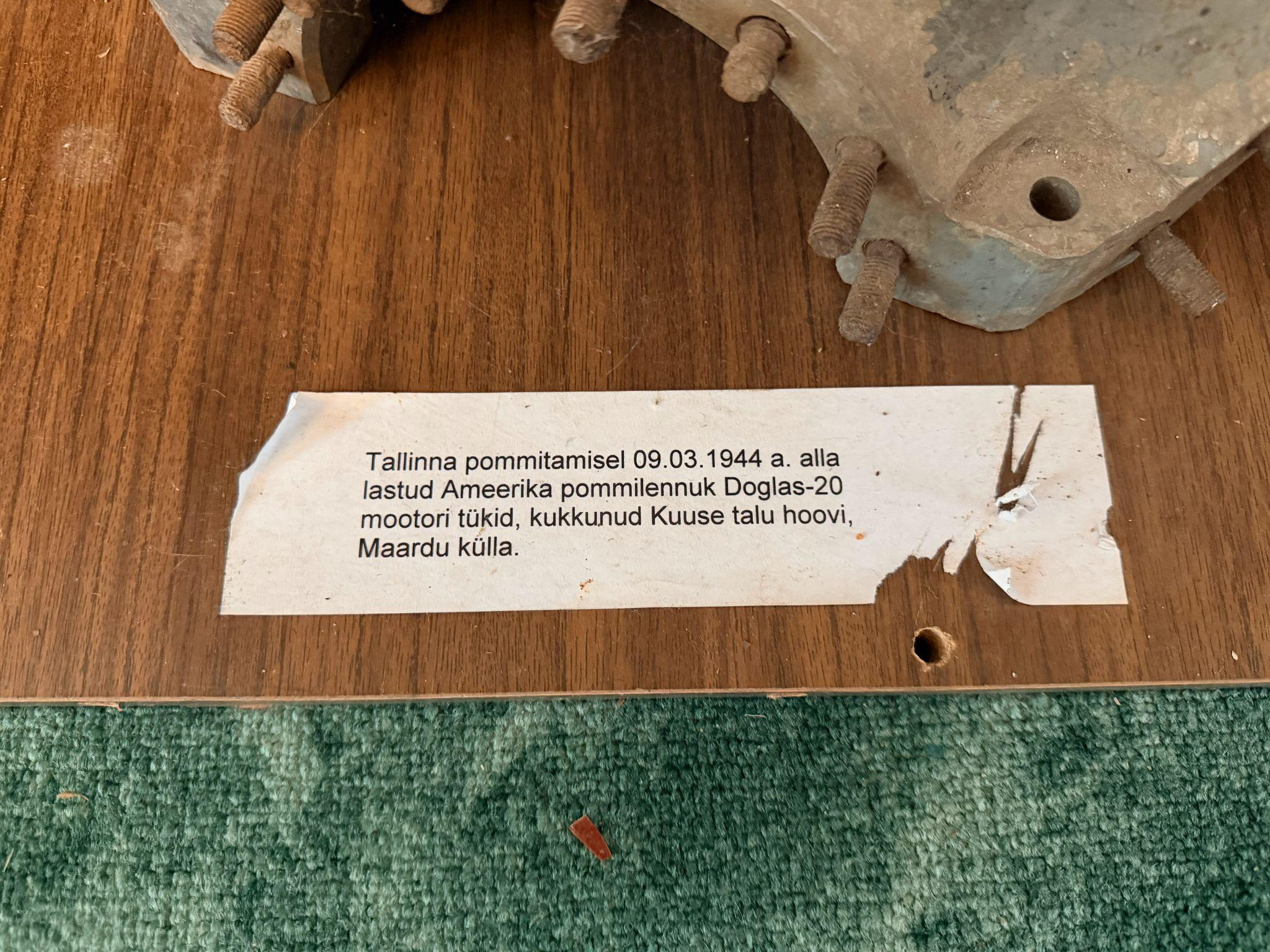
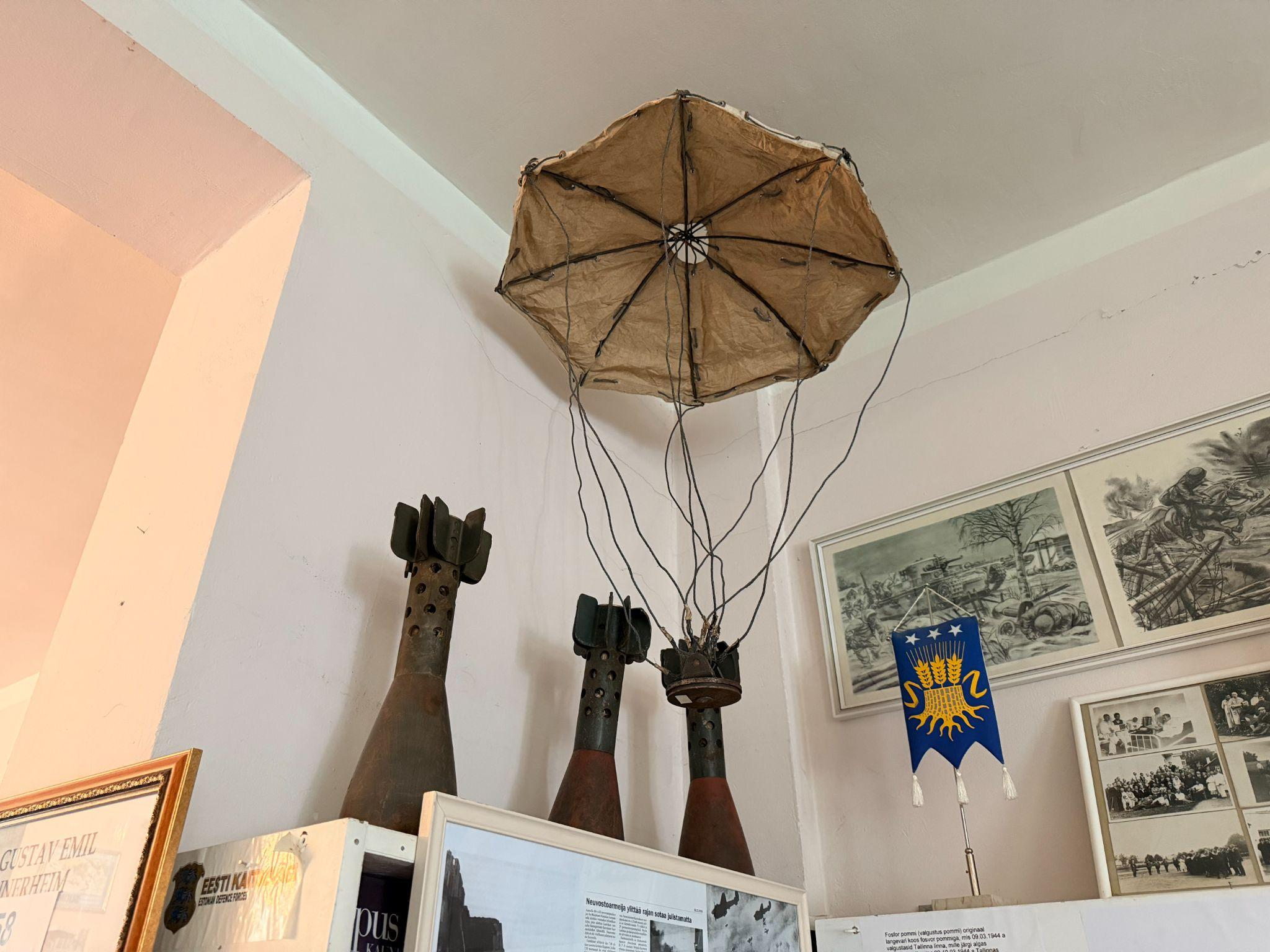
Was the aid ever paid for?
Formally yes — in substance no. The United States never asked back the price of the war materiel consumed in the war: of roughly 11.3 billion dollars of aid, the bill covered only the surviving civilian-use goods — at first about 2.6 billion, reduced in the end to about 800 million. In 1972 the USSR undertook to pay 722 million dollars by 2001; in 1973 it paid 48 million — less than half a per cent of the deliveries' value — and then stopped, citing the Jackson-Vanik trade amendment. In 1990 Gorbachev and Bush agreed a new schedule: 674 million by 2030. Russia inherited the debt as legal successor, rolled it into its Paris Club obligations, and closed the account with the early repayment of August 2006 — 61 years after the war's end, in a sum inflation had largely eaten. For comparison: Britain paid its war loans in full, the final instalment in December 2006 — the same year, but the end of an honest payer's story. So the aid that had saved the Soviet Union went largely unpaid and unreturned — and part of it served the deportations of 1949 (see A secret declaration of war). Sources: CRS: Russia's Paris Club Debt · RFE/RL: Russia Pays Off Paris Club Debt (2006).