Mõigu cemetery
Mõigu cemetery (German Friedhof von Moik) was the cemetery of Tallinn's Baltic-German nobility and wealthier burghers. It is one of the cemeteries razed by the Soviet occupation authorities; see the overview of the razed cemeteries.
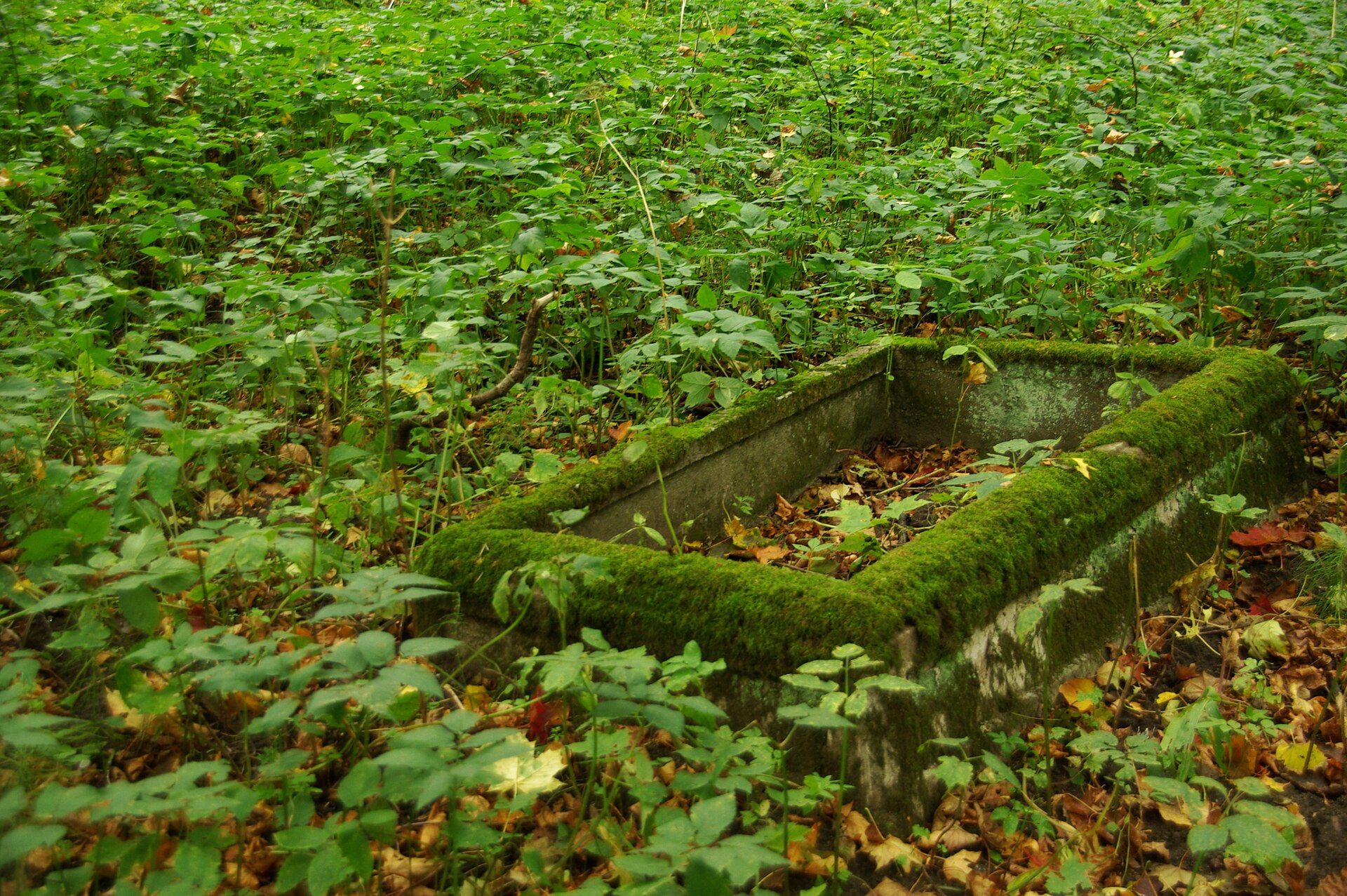
The Mõigu cemetery. Photo: Ilme Parik (CC BY-SA 3.0 ee), Wikimedia Commons.
History
The cemetery was laid out in 1774, after Catherine the Great's edict of 1771–1772 banning burials in and near churches (chiefly to prevent plague). It was the burial ground of the wealthy and noble of the Toompea (Cathedral) parish, on land administered by the Toompea cathedral. It functioned for over 170 years, from 1774 into the years just after the Second World War.
Destruction under the occupation
Around 1950–1951 the occupation authorities flattened the cemetery entirely. The headstones were used to build port walls and pavements elsewhere in the city; no trace of the cemetery was left.
Today
The former grounds (near the airport) lie abandoned and overgrown. Only the parish burial registers and a few old plans survive; conservation of the area has been planned.
The link to the Estonian Tatars
Mõigu belongs to the same pattern as the Tatar cemetery and Kopli cemetery: the occupation authorities destroyed the non-Russian congregations' burial grounds. See communist crimes against Estonia's minorities.
A historic photo (Johan Naha, National Archives, rights-restricted — viewable on ajapaik.ee): old Mõigu cemetery on ajapaik.ee.
See also
Sources: Wikipedia “Mõigu cemetery”; Estonian World: the vanished cemeteries of Tallinn.