No one escaped the Soviet Union
Under the Soviet occupation the authorities systematically razed a series of historic cemeteries in Estonia — above all those of the minority communities and the old congregations. This page gathers them across Estonia. The Estonian Tatars' Muslim cemetery is one of them — the same pattern took in the Jewish, Baltic-German, Estonian and Catholic communities' cemeteries, and the Tatar cemeteries in Narva and Rakvere. The list also covers Tartu's old cemeteries, Rakvere's town cemetery and the German military cemeteries.
The shared pattern
According to the Estonian Heritage Yearbook (Lige and Orro, 2007) the larger cemeteries were destroyed “as a campaign and evidently with the deliberate aim of breaking cultural continuity”. The hand was almost always the same:
the cemetery is left to decay or declared a closed zone;
the graves are leveled, the headstones and ironwork removed;
a motor depot, car park or park is built on top;
the headstones are carried to the Russalka area for coastal reinforcements and fill — some came to light in 2017 during the construction of Reidi Road.
The razed cemeteries
Cemetery | Place | Community | Destroyed | Built on top |
|---|---|---|---|---|
Tallinn | Muslims (Mišärs) | 1955 (closed) | motor depot, woodyard; gate to Crimea | |
Narva | Muslims (Mišärs) | municipalised 1940–41; town destroyed 1944 | — | |
Rakvere | Muslims (Mišärs) | municipalised 1941 | — | |
Tallinn | Jews | 1963 | Motor Transport Base No. 1, car park | |
Tallinn | Baltic Germans | 1951 | military base → cemetery park | |
Tallinn | Estonians, Swedes | 1964 (graves looted) | Kalamaja park | |
Tallinn | Baltic-German nobility | 1950–51 | abandoned (near the airport) | |
Tallinn | Roman Catholics | 1955 | park (tennis-stadium project) | |
Rakvere | Estonians (Lutheran) | liquidated 1960 | park; memorial stone 1991 | |
Rakvere | German military (WWII) | destroyed under the occupation | playground, track; restored 1997 | |
Narva | German military (WWII) | destroyed under the occupation | buildings on top; restored 1997–99 | |
Tartu | Muslims (Tatars) | destroyed; ~0.015 ha survives | — | |
Tartu | Jews | destroyed; 2 gravestones left by the 1970s | — | |
Tallinn | Estonian military | desecrated; British war-grave markers removed | — |
The surviving cemeteries
The pattern was selective: the Russian Orthodox and the main city cemeteries kept working, while the minority congregations' were destroyed. Among the survivors were Tallinn's Alexander Nevsky (Inner City) cemetery, Rahumäe (to which the Jewish community moved in 1909), Liiva (where the Tatars' remains were reburied in the late 1950s) and the Forest Cemetery; in Tartu the Raadi cemetery survives — after Kopli's destruction the largest Baltic-German cemetery in Estonia.
Closures under the occupation
The largest documented closure decision was taken by the Tallinn Executive Committee on 29 March 1955 (decision No. 83): the whole Inner City necropolis was closed for burial — the Alexander Nevsky (Russian Orthodox), Vana-Kaarli, Catholic and Muslim (Tatar) cemeteries. In the Russian Orthodox and Vana-Kaarli parts family-plot burials were allowed from 1956 as an exception, but the Catholic and Muslim cemeteries stayed closed for good (the remains were reburied in the Liiva F-quarter — see Reburials). The other cemeteries were closed or destroyed at various times:
Kopli — 1951 (closed and destroyed)
Mõigu — c. 1950–51
Kalamaja — 1964
Old Jewish (Magasini) — burials halted 1910 (groundwater), cemetery destroyed 1963
Narva and Rakvere Tatar cemeteries — municipalised 1940–41
Nõmme Baptist cemetery — closed under the occupation
Rakvere old town cemetery — liquidated 1960 (turned into a park)
Tartu Muslim and old Jewish cemeteries — destroyed over the course of the occupation
A Union-wide pattern
The destruction of Estonia's cemeteries was no exception but part of a Union-wide policy — nothing was sacred to the Soviet occupation authorities. The antireligious campaigns razed tens of thousands of sacred sites: before 1917 the Russian Empire had over 50,000 Orthodox churches, by 1939–40 fewer than 500 functioned across the whole USSR, and Khrushchev's campaign (1958–64) closed about half of them again. Cemeteries met the same fate — 19th-century Moscow had over 300 graveyards, most demolished; headstones were reused as street paving, exactly as Tallinn's stones were carted to Russalka for coastal reinforcement.
Jewish cemeteries are the best-counted: some 10,000 sites are known in Europe, nearly three-quarters in the former Soviet bloc, and an estimated quarter destroyed under Nazi and Soviet rule (ESJF has mapped 4,140). The direct twin of Tallinn's Kopli is Riga's Great Cemetery, bulldozed into a “memorial park” in 1967–69. Read more: The destruction of sacred sites and cemeteries in the Soviet Union.
Photographs
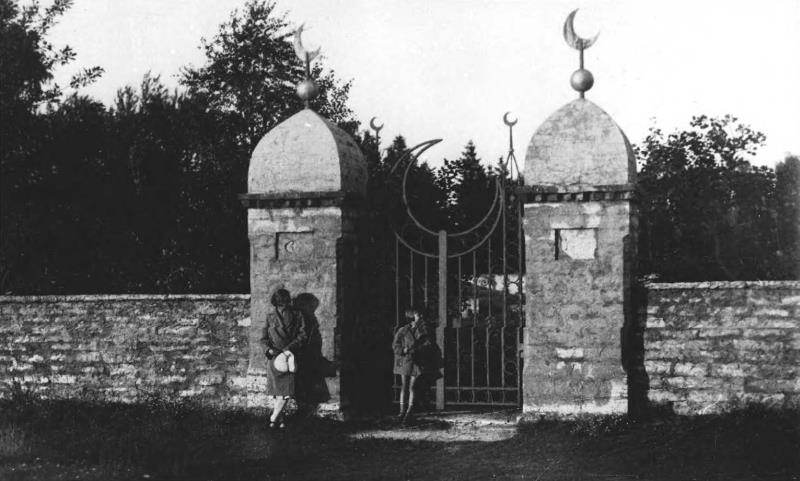
The wrought-iron gates of the old Muslim (Tatar) cemetery with Islamic symbols — taken to Crimea.
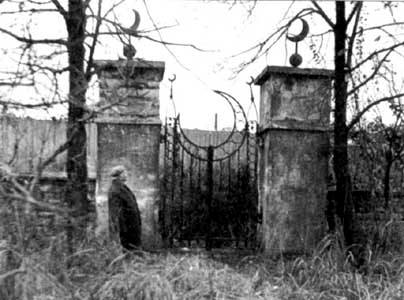
The same Tatar cemetery gate in decay, before the 1955 closure.
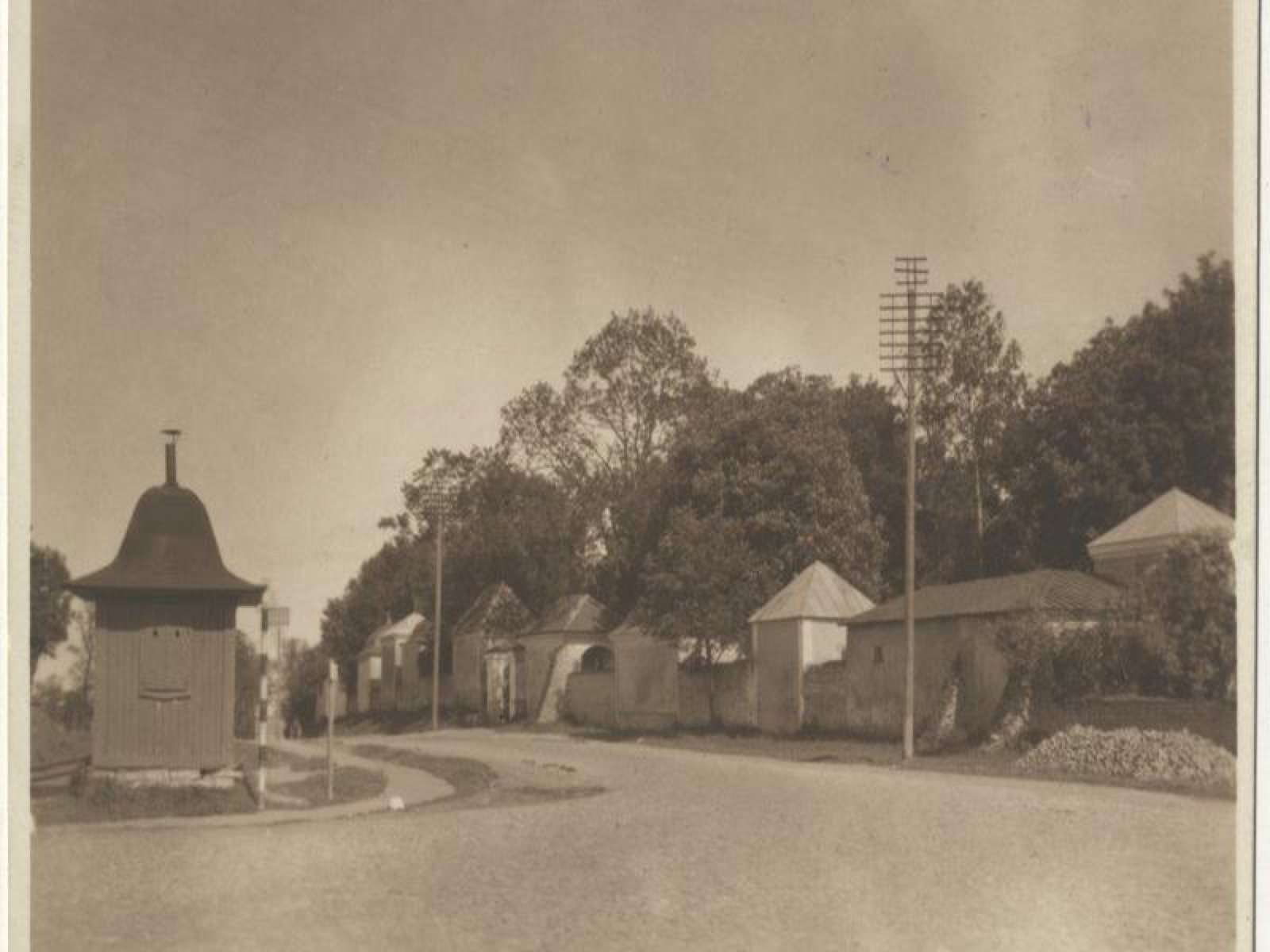
Kopli cemetery c. 1925, before its destruction (public domain).
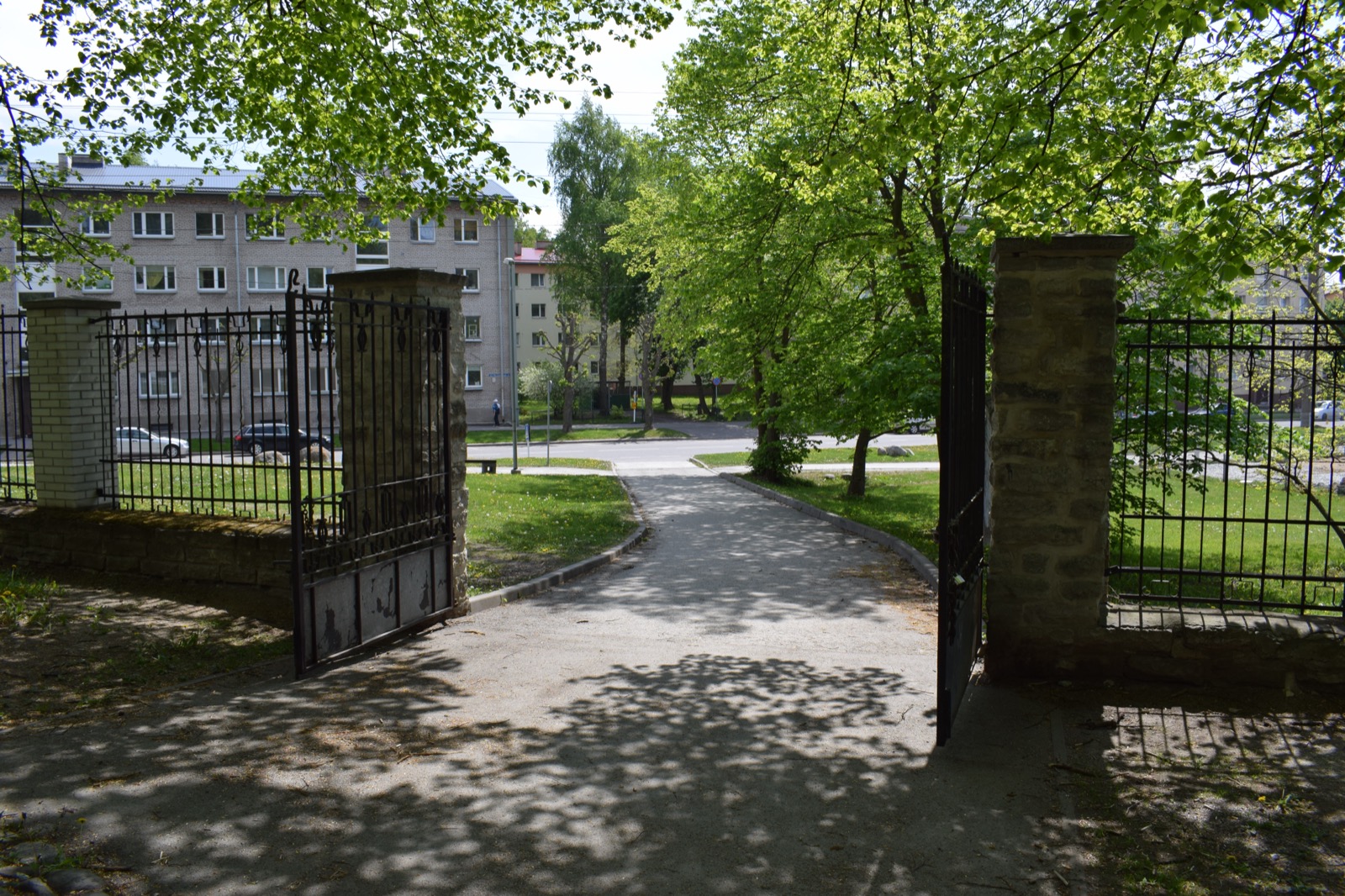
The same place today: Kopli cemetery park with the surviving gateposts. Photo: Erko, 2017 (CC BY-SA 4.0).
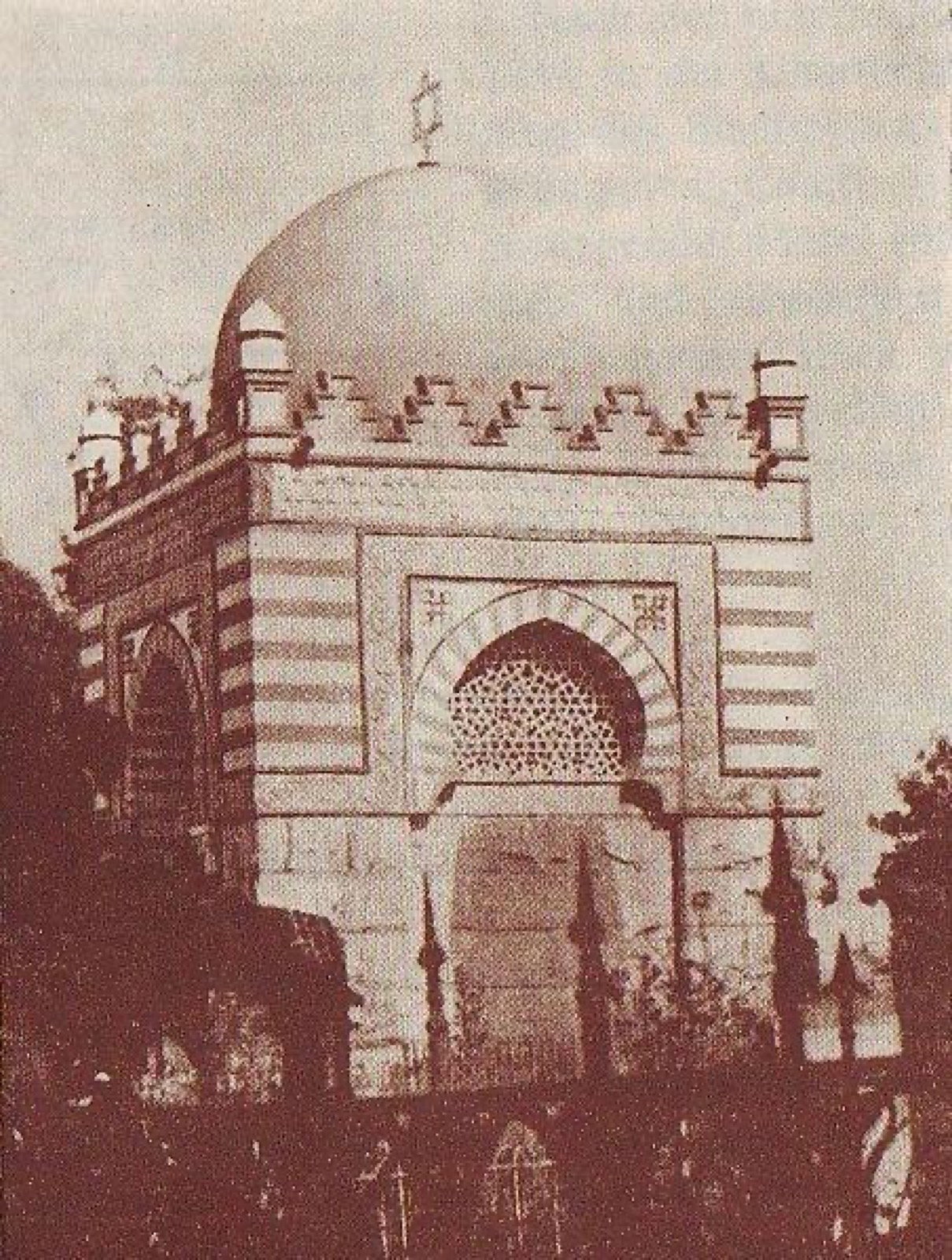
The Schaje Levinovitsch chapel-mausoleum at the old Jewish cemetery of Tallinn, before 1944 (public domain).
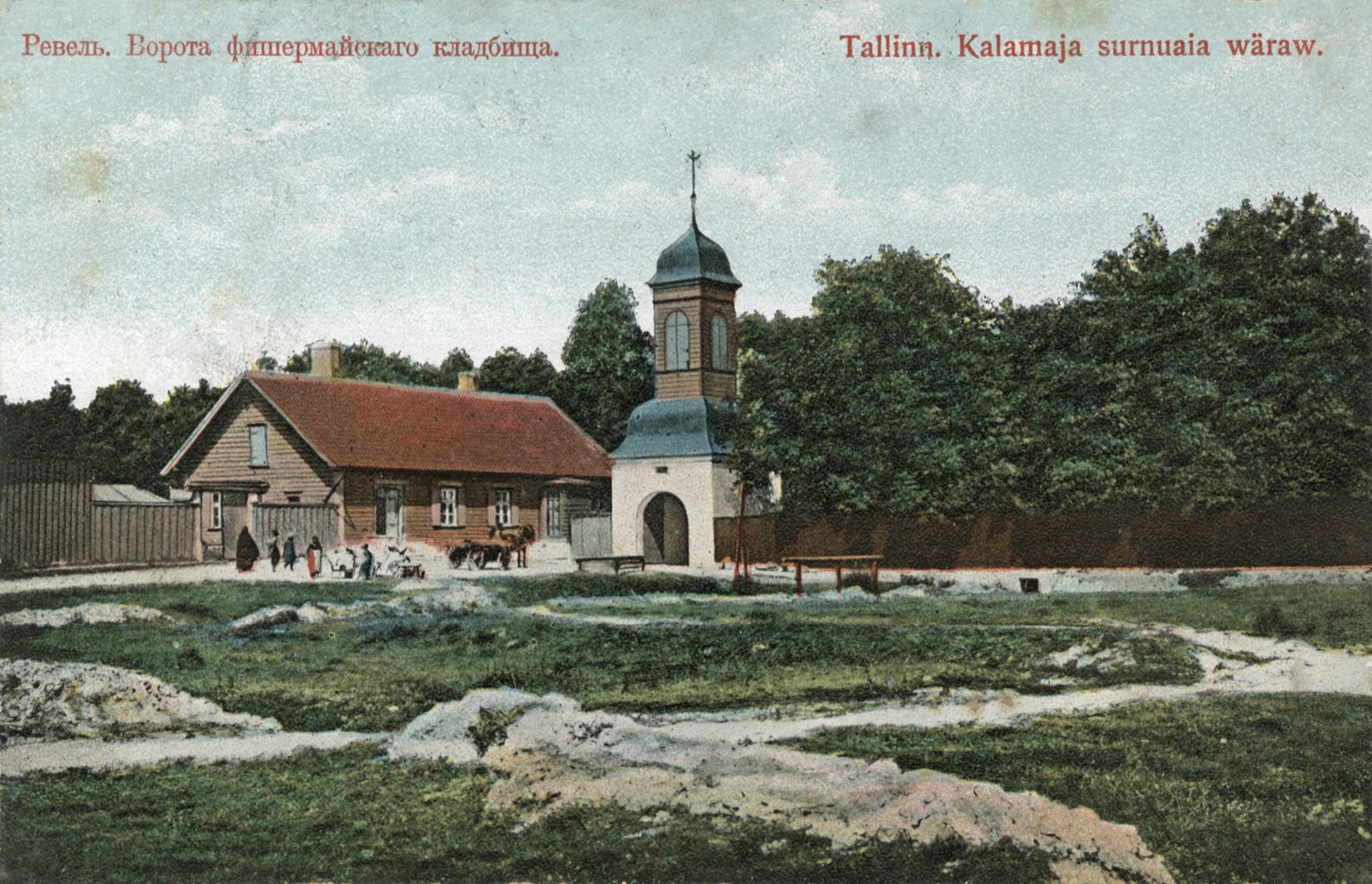
The Kalamaja cemetery gate on a 1908 postcard, before its destruction in 1964 (public domain).
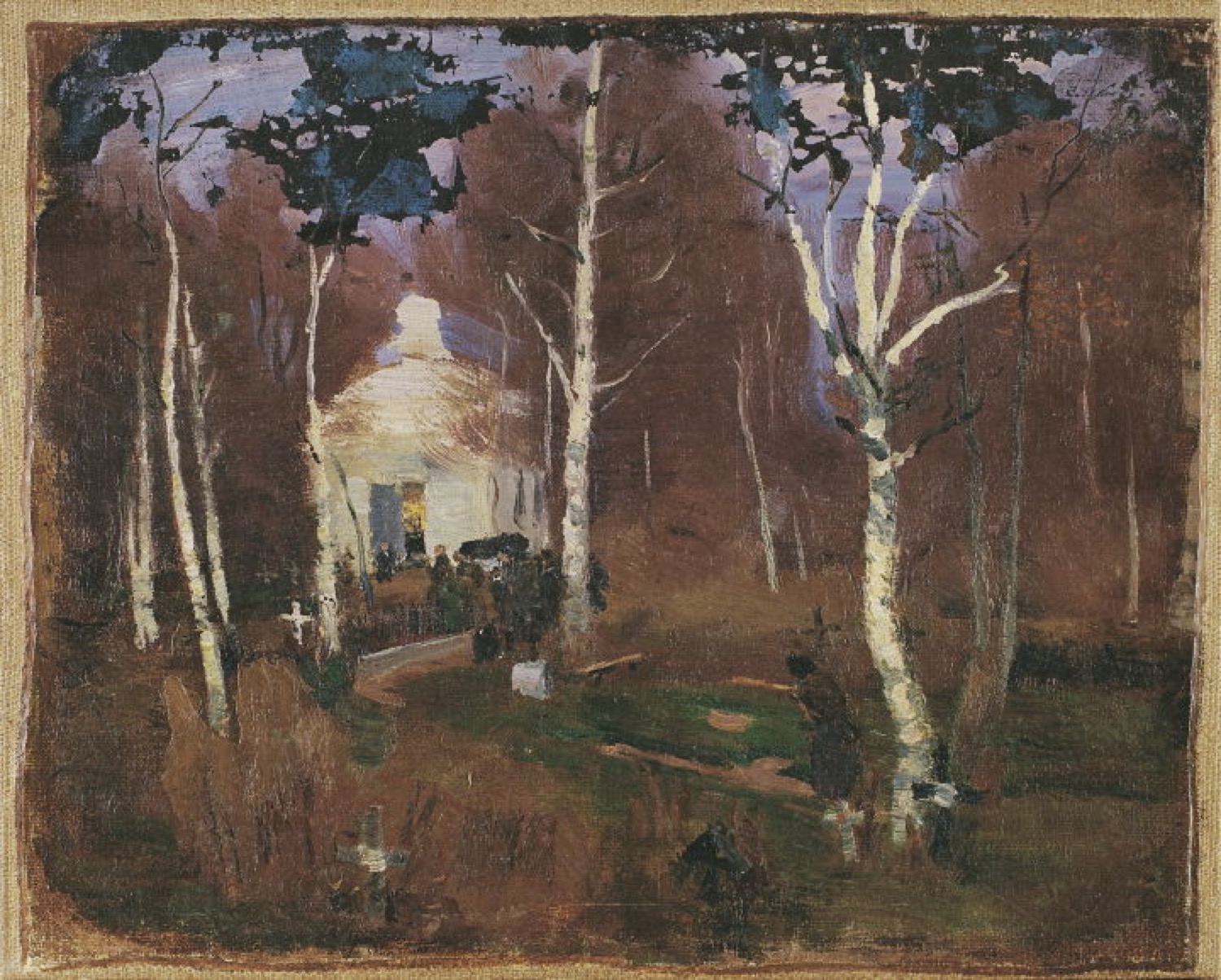
Paul Raud, 'Rakvere cemetery', 1895 (public domain).
See also
Sources: Carl-Dag Lige and Oliver Orro, “Places of eternity in the modern cityscape: Tallinn's abandoned cemeteries” — Estonian Heritage Yearbook (Muinsuskaitse aastaraamat) 2007; Estonian World: the vanished cemeteries of Tallinn; Wikipedia cemetery articles; the individual cemetery pages in this knowledge base. monument.ee (Rakvere cemeteries); Estonian Wikipedia (Tartu Muslim and old Jewish cemeteries, Mõigu, Siselinna cemetery); ERR (Kopli cemetery heritage).